After a flurry of accusations by Nepali women of sexual harassment by co-workers, bosses, teachers, family members or strangers in buses, the #Metoo movement has largely dropped out of the headlines. Very few of the accused have faced trial, detention, or even lost their jobs.
And it is perhaps because of this impunity and sense of entitlement in conservative Nepal that women are now stepping up with deeply personal testimonies of their own abuse. They are using social media platforms, and the weekend section of newspapers to keep the issue alive. These narratives are inspiring more women to come out and tell stories they have never told anyone.
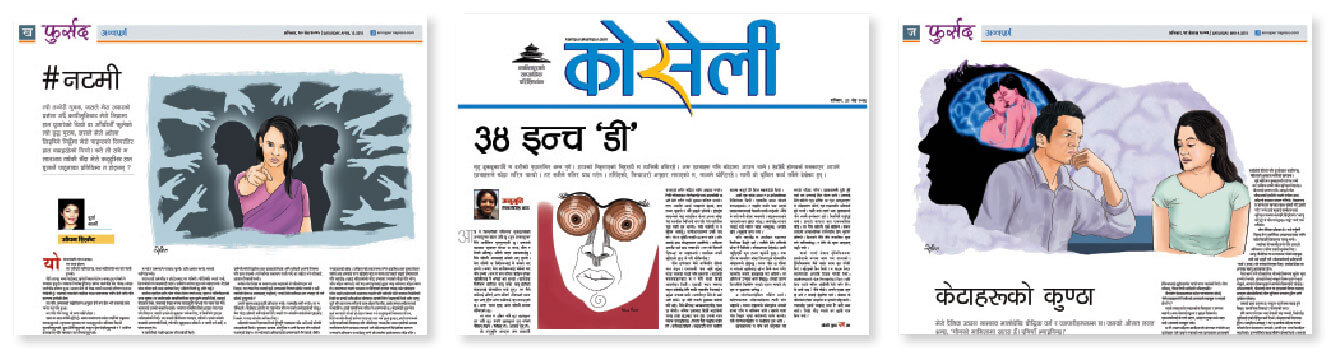
“I was harassed since the time I did not know the difference between good touch and bad touch, but I could not do anything about it even though I am not shy. I just could not bring myself to slap a harasser in a public vehicle. Then I thought, even if I am not be able to hit back, I can write about it,” said Durga Karki, who wrote a courageous account in Annapurna Post titled #Notme.
Even though only a few brave women came out during the #Metoo campaign to tell their stories, Karki says nearly all Nepali women have been harassed at some point.
Read also: #BalanceforBetter, Namrata Sharma
Shivani Singh Tharu, a well-known media personality, recently shared a write-up in Kantipur titled 34 inch ‘D’ which recounted incidents of harassment she has faced from a male teacher, men in her worksplace, and others.
“I got many messages from women saying they had faced such situations as well, they said they too needed to speak out publicly,” says Tharu. “Among those reacting were men, some of whom have daughters and were emotionally touched. They started imagining what if it was their own daughter?”
These recent writings by women in the Nepali press have also spread awareness among men who may have intentionally or unintentionally made women feel uncomfortable with their behaviour.
It is not just women who have been writing confessional pieces. Author Ramesh Sayan recently published an article Keta Haru Ko Kuntha (Frustration of Boys) which talked about how boys are brought up by their families and the kind of values they learn from society. Sayan wrote about how topics related to sex are neither taught by parents nor teachers, but by equally under-informed peers.