
“My alcoholic father used to beat me and my mother, and I always protected my mother. After treatment my father is sober now, but my mother has started scolding me and makes me do all the household chores, giving me very little time to study,” says Sarita from a remote village in Banke district of western Nepal. But Sarita may as well be in Indonesia, Europe or North America.
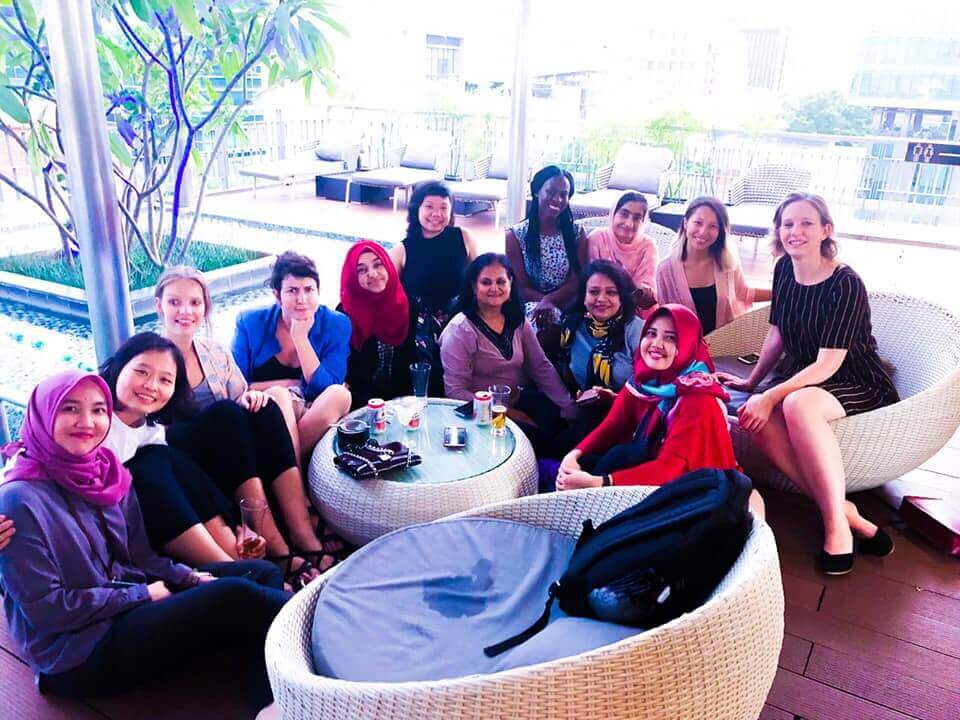
Gender discrimination is pervasive and widespread, and the problem is the same all over the world, as we heard from activists and investigative journalists from 15 countries at a recent interaction in Jakarta.
Read also:
3/4th of the sky, Editorial
Nepal’s better halves, Anil Chitrakar
After the end of the Suharto regime, an Indonesian participant said, the economy improved, but gender-based discrimination and violence were still prevalent in both urban and rural areas. Women still bore the brunt of patriarchal taboos, making it difficult for them to reach the top of their professions, earn better salaries, and upgrade living standards. Most agreed that there had been progress in amending existing laws and formulating new ones to end discrimination, but the violence itself had not abated.
Cases of rape and incest are reported every day from all over the world, in both developed and developing countries. In Nepal, 20 cases were reported by Center for Investigative Journalism (CIJ) Nepal during a 16-day campaign against Violence Against Women in 2018, majority of them involved rape of minor girls by relatives or neighbours.
International Women’s Day draws attention worldwide to a global problem, in rich and poor, East and West. The women’s movement has achieved great progress when it comes to amending and promulgating laws and in creating mechanisms to hold countries accountable for injustice. In the last few years new movements have allowed women to speak out more boldly against sexual harassment in the workplace through the #Metoo movement.
“For me International Women's Day (IWD) 2019 is a precious moment and a safe space where women are inspired to talk about their stories through protests and artwork,” says Meggy Katigbak of Asian People’s Movement on Debt and Development. However, she acknowledges that there is discrimination even among women by race, class, colour, and other factors.