
|
|
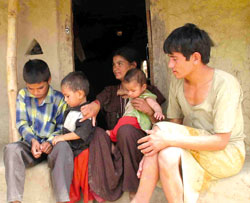
People displaced by Nepal's conflict face a dilemma: return home to their
villages where security is still a question mark or stay put in safe but
temporary camps and shelters far from their roots.
There are anywhere up
to 150,000 internally displaced people and even human rights groups are divided
over what protection and security awaits conflict-displaced people if they
return.
"The situation for the IDPs is better now since the political
atmosphere has changed positively," says rights activist Bhola Mahat from the
group Insec in Nepalganj. Last week, Mahat's office helped 32 Jumlis living in
Nepalganj and Kohalpur to return to their villages where the Maoists promised to
welcome them back with 'dignity and honour'.
But despite the ceasefire
others are still traumatised by their evictions and are hesitant to go back
until they are guaranteed safety. Many have had their property destroyed or
confiscated by Maoists and also want them returned. Only a small fraction of
IDPs have actually returned, activists say.
"The IDPs
cannot return just for the sake of going home, there is a need for a mechanism
to ensure their proper reintegration," says Amar Bhattarai from Community Study
and Welfare Centre.The issue of IDPs was included in the 25-point code of
conduct signed during the first round of preliminary peace talks in Gokarna last
week. But the two sides don't have a clear plan on how to reintegrate and
rehabilitate IDPs when they decide to go back.
"The Maoists are still
carrying arms openly even in mass assemblies. Imagine how it is in the core
areas from where we have been displaced," says Bishnu Prasad Neupane, a member
of the Maoist Victims Association, a support group established by IDPs. None of
the 27,000 members of the association are willing to return totheir villages, he
added.
Maoist leaders have repeatedly pledged to return confiscated
property and allow displaced families back. But villagers are just not
convinced. "We still don't trust the local Maoists and you can see why from
their activities," says Kalyan Budhathoki from Ramechap, who moved to Kathmandu
six years ago. He was abducted for allegedly spying against the Maoists and
although he managed to flee, Budhathoki says his life is still at risk.
The UN's Nepal Office of the High Commission for Human Rights (OHCHR)
which may soon be monitoring the ceasefire, told us Maoists sometimes do not
permit locals safe, dignified and sustainable return despite such commitments
from their leaders. "During recent field visits, CPN (Maoist) representatives at
the VDC level informed OHCHR that returning IDPs might have to appear before
people's courts and be punished before being allowed back into the community,"
said spokesperson Kieran Dwyer.
The UN agency also received reports of Maoists imposing 'special' charges on the returnees. But activists say although there are cases of IDPs being harassed upon return some displaced families make excuses of insecurity so they don't lose services they get from relief agencies at IDP camps.
"The main problem is that people are making too many guesses, mostly negative, about how they would be treated in their villages," says Rameswar Bhuju from the British group Ockenden International, which has helped build 60 mud houses with tin roofs at Rajena camp in Nepalganj. None of the 60 households has shown any signs of wanting return to their villages.