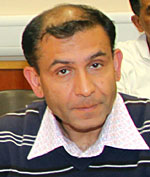
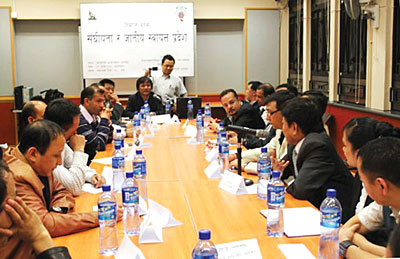
More than 85 per cent of Nepalis living in Hong Kong are from indigenous Nepali communities. During a Himal Debate organised there by Everest weekly and hongkongnepali.com, sponsored by the Magar Association, participants expressed dissatisfaction with the proposed 14 province model for federalism. Not only did they consider the ethnicity-based model, based on ethnicity, incomplete, they were also concerned it would invite conflict in the long run. Excerpts:
 |
What do you think about the proposed 14 provinces?
Bhupendra Chemjong (president, Federation of Indigenous People): The proposed 14 provinces are the solution. It was drafted after much homework on the part of the political parties and deliberated in the committee. It can address the concerns of all the communities. Demarcation was done on the basis of the availability of resources. There is no need for further discussion. 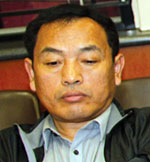
Kamal Poudel (intellectual): We are sandwiched between two powerful countries. Therefore, it is not a good idea to have so many provinces in view of nationality and sovereignty. There are plenty of examples of how a small mistake during political transition can spark communal conflict and ultimately country's break up. The political 
parties are trying to woo their voters and did not show seriousness while dealing with the ethnic issue. This might be counterproductive.
Nanda Changshu (secretary, Kirant Yakthung Chumlung): As long as provinces ensure the rights of marginalised and backward communities, it should be fine. Administrative expense is not an issue. Leaders are hoarding money and abusing their power but when it comes to creating provinces why should expenses become the issue?
Indra Laksham (secretary, Kirant National Religion Literature Upliftment Association): The ethnic movement, as well as the creation of federal states, will not wreck existing social harmony. Instead, one caste, language and religion has been reigning over multiple ethnicities, which are now striving for their own identities. Interactions should consider the complexities of state restructuring and address them. 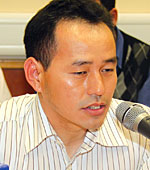
Bhakta Dura (advisor, Dura Society): Ethnic provinces were demanded to address the problems of ethnic communities. The other communities need not fear it. All 59 scheduled ethnic communities should get autonomous provinces. The most important thing is how to bring the backward communities to the policy-making level and empower them. How can giving rights cause conflict? The oppressed have not got anything. Who brought up the issue of disintegration? The oppressed want change, not the oppressors. Those who have access to the state do not want change. The demand for ethnic provinces has been raised not to deprive anyone of their rights but to give equal rights to all. 
Bhim Thapa Magar (former general secretary, Magar Association): It is said political prerogatives will be in place for a certain time. Is the liberation of ethnic communities possible within the given time frame? This might please certain ethnic communities but it might invite conflict within ethnic communities. There is a conflict between ethnic and non-ethnic communities now and one day there will be conflict between ethnic sub-castes. What if ethnic sub-castes demand separate provinces? Do we suppress them? Federalism is ideally for devolution of power, meaning for development. But here it does not seem to be for development but for the self-serving purposes of certain castes. A majority of ethnic communities of the proposed provinces live outside the provinces. Nobody has ever said anything as to how they benefit from their provinces.