
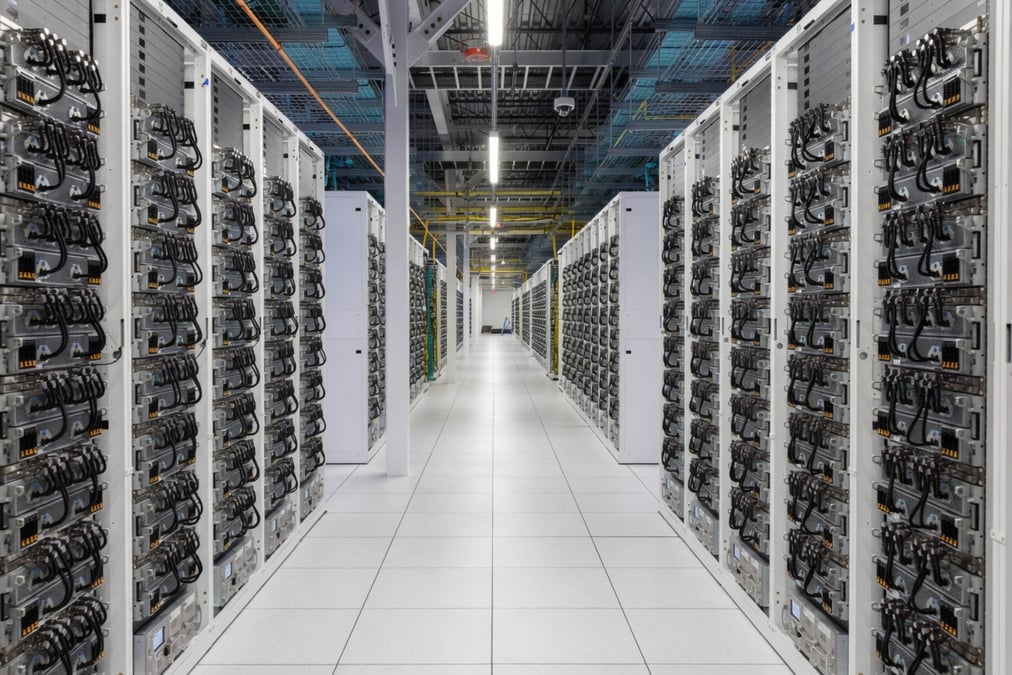
Every time a user clicks on Gemini AI icon on Gmail or AI Overview on Google search, every prompt that is typed into ChatGPT or Claude, means that somewhere in the world a data centre needs energy to power servers, and water to cool them. Intelligence, even if it is artificial, generates lots of heat.
Because of Nepal’s cooler climate, its surplus hydroelectricity, and abundant water on Himalayan rivers, proponents of AI have been talking up the benefits of locating data centres in the country.
The utopian vision is that this technology is an opportunity for Nepal as a South Asian data hub, in between the tech powerhouses China and India, to generate revenue and employment, and have some important role in the digital world.
“You cannot simply dump thousands of monsoon megawatts into kitchens, we need to invite large industries, data centres, commercial enterprises and luxury tourism,” said Energy Minister Biraj Bhakta Shrestha at Nepal Republic Media's Power Nepal Conclave on Wednesday. “We must expand the consumer base that has the structural capacity to observe high demand.”
Last year’s Digital Nepal Framework (DNF) 2.0 says Nepal ‘intends to inform the strategic direction needed to effectively tap digital technologies and unleash extensive socio-economic transformation.’ The document repeatedly mentions ‘energy-efficient’ data centres as a key area of policy and investment. The National AI Policy document also lays out the same promise.
Nepal’s IT private sector is equally enthused. Dileep Agrawal of WorldLink Communications, Nepal’s biggest internet service provider told the Conclave: “Data centres need energy to produce heat and then cool down the server, the cooling part in Nepal is 15% cheaper compared to warmer places so in the future we can become a hub for green data centres where we are exporting AI computing power to overseas customers rather than building expensive transmission lines to export to neighbours who bring a lot of geopolitical tensison and arm twisting.”
He added: “It could be a much larger income and wealth for the country than just producing and exporting raw power.”
There are data centres already in operation in Nepal, including a WorldLink facility in Chandragiri, an Ncell server base in Nakkhu, and a NEA base in Nagarjun. There are also plans for a ‘hyperscale’ Bichuten Data Vault in Chobhar and Birganj, and WorldLink is mulling expansion.
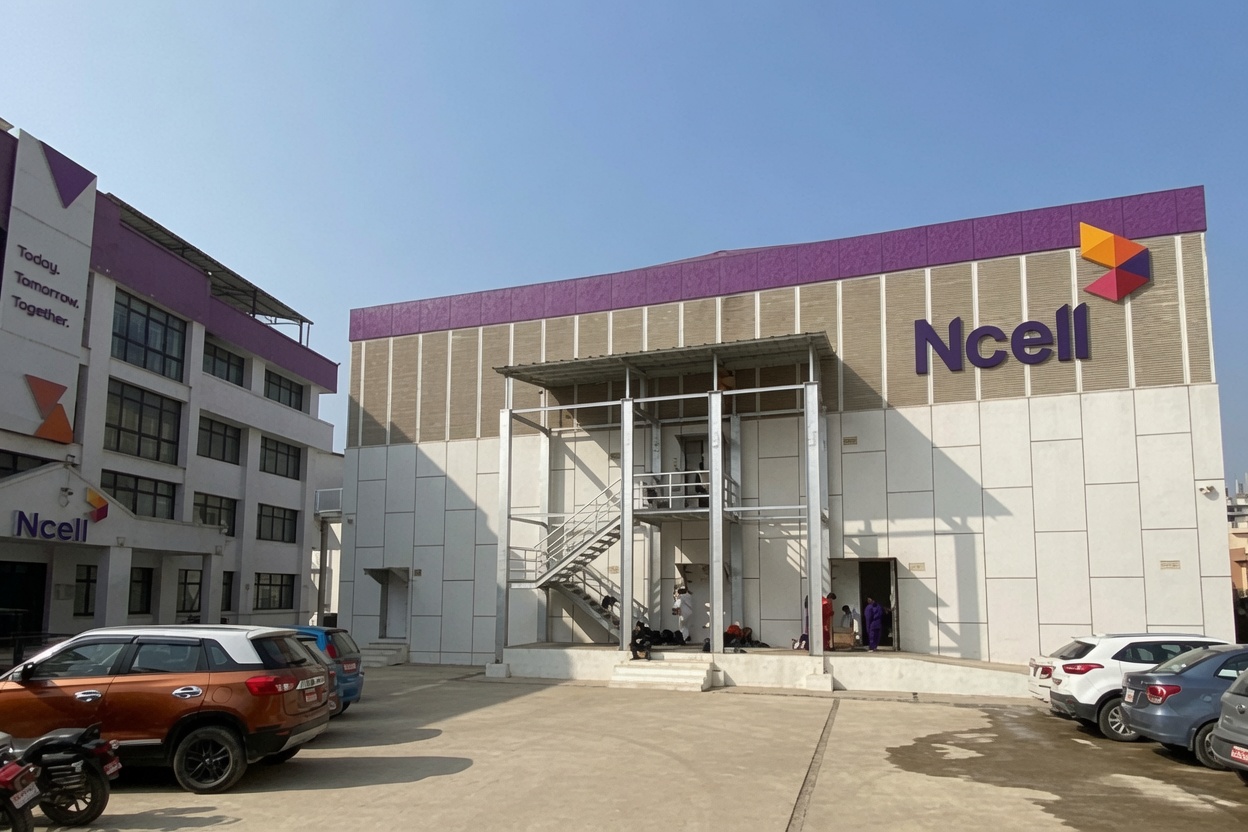
However, none of these data centres in Nepal are even close to the scale of plants globally, and neither are they symbiotically connected to any hydropower plant as envisioned. In fact the Nakkhu Ncell centre (pictured, above) has faced local noise and pollution complaints, as the centre burns diesel for its generators to ensure consistent power supply.
Nepal’s total installed capacity for electricity generation has now reached 4,400MW, almost all of its renewable energy from hydropower plants. But even after exporting 850MW to India and Bangladesh, the country wastes up to 1,000MW during the monsoon due to low domestic demand and transmission chokepoints.
Nepal’s data centres could use this green energy surplus, but before that the new government needs to remove bureaucratic friction and make the investment climate friendlier. Nepal’s advantage is that it is right next door to China and India and can be a green computing export hub.
But the RSP government has shown the same old-school caution of past governments, rejecting Starlink’s advances a month ago due to local telecommunications laws requiring at least a 20% local partnership. Whatever one may think of Elon Musk, Starlink would have instantly solved internet connectivity across Nepal.
There are other advantages to locating data centres in Nepal. There will be revenue and jobs in construction and maintenance, reduced reliance on foreign data, building local IT capacity, and better access to digital services and AI for startups in the local tech ecosystem. Expertise in building such centres would also be valuable as Nepal figures out digital governance, and building systems that have to share large amounts of data fast and safely with each other.
It is logical to argue that Nepal would benefit from hitching its wagon to this new movement, and even better if it can be eco-friendly. However, on closer examination, Nepal’s plans so far seem premature and poorly thought-through.
The reality is that hydropower plants and data centres take time and money to build and are hard to maintain and repair. The Rasuwagadi plant that was damaged by a glacial flood last year has only recently been repaired. Climate breakdown increases the risk to infrastructure.
So far, Nepal’s hydroelectricity generation is starkly seasonal with a surplus in the monsoon but deficit in the dry months. This does not work well for data centres that need reliable year-round power. One answer could be solar power plants and pump hydro that are cheaper and faster to come into operation.