
Like other South Asian cities, Kathmandu also grapples with the trilemma of rapid urbanisation, ever expanding and often unplanned grey infrastructure, and an increasingly challenging thermal environment for its dwellers.
With another Rs120 million intersection project planned, the inescapability of this crisis proves once more that infrastructure expansion without taking climate change into account may deepen the vicious cycle of poor urban planning and escalating heat stress.
Kathmandu Valley summers have become noticeably hotter in recent years. Although pre-monsoon precipitation plays a crucial role in determining the intensity of summer heat in a given year, it cannot reduce the temperature gap between Kathmandu’s urban core and adjoining areas.
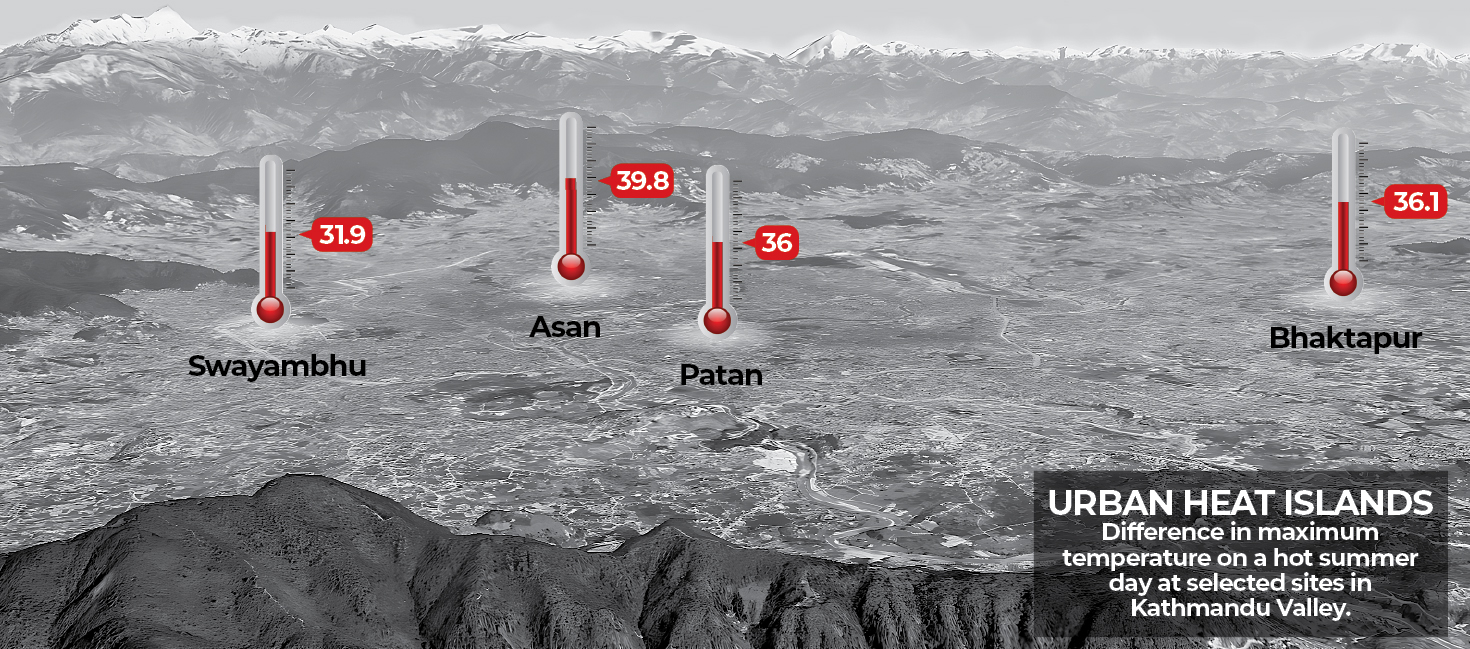
This year, for example, above-average pre-monsoon rainfall kept the valley’s summer temperatures moderate and within the 30⁰C threshold. But the city core within the Ring Road remained 1⁰C to 4⁰C hotter than the surrounding outskirts.
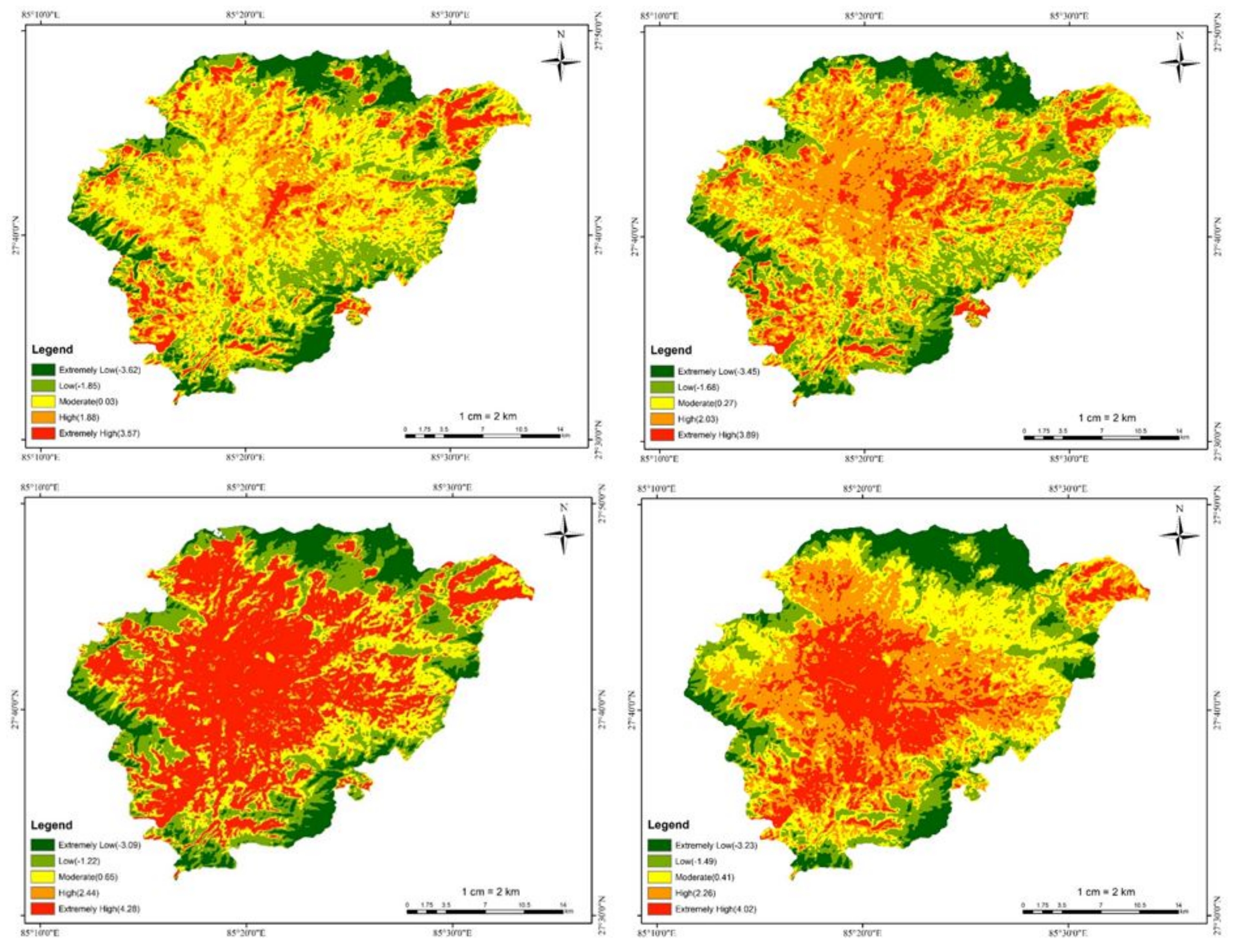
This phenomenon - known as the urban heat island (UHI), or the trapping and retention of heat in concrete-dense conglomerations of built-up areas - is making Kathmandu increasingly oppressive during summer.
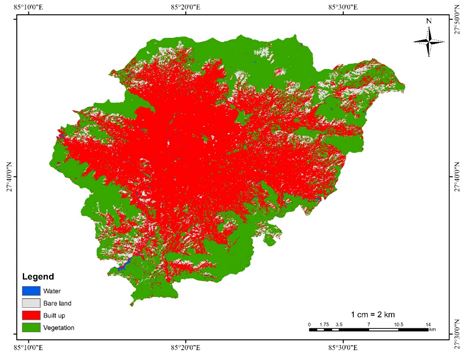
Over the past three decades the Valley has seen more than fourfold increase in built-up areas, with approximately 100 sq km of vegetation and agricultural land replaced per decade between 1990 and 2020. The share of open space within the Valley itself has also declined drastically from 2.34% of the area in 2014 to 0.5% in 2025.
This outward and inward expansion of built-up areas underscores the scale and pressure of urbanisation unfolding in the Valley.
Population density has also surged in parallel, rising from 8,480 people per sq km in the 1991 Census to 17,440 in 2021.
Over the last 50 years Kathmandu’s urban area has expanded nearly 2.5 times, reaching 49.45 sq km in 2025/26. This expansion implies a higher proportion of impervious surfaces, greater reliance on natural gas and petroleum products for domestic and commercial heating or cooling, transportation, and increasing loss of urban greenery and wetlands.
Together, these changes reduce natural cooling capacity while intensifying the UHI effect, compounding both environmental stress and public health risks in the valley.
Although UHI is growing persistently with anthropogenic climate change and global warming, it is manageable if not fully eliminable. Emerging examples from across Europe and the US demonstrate how a suite of mitigation strategies combining green infrastructure, reflective materials, water-sensitive design, and strong policy frameworks, can reduce UHI intensity.
In Kathmandu, too, has community-led tree planting, open parks, and peri-urban forests and remaining wetlands that support natural and evaporative cooling. These green-blue spaces can lower local temperatures by 0.85°C to 1.2°C compared to nearby concrete-dense built-up areas. However, these spaces are shrinking and managing them remains a challenge.
In line with UN-Habitat’s recommendation of allocating 15%–20% of urban land to open green public spaces, Kathmandu city authorities have set a target to raise the share to only 5% –7% of the total city area by 2035.
Nepal’s National Land Policy 2019 can bolster this effort through its provisions to control illegal encroachment on public and government land, reclaim such areas, promote land pooling and readjustment through community participation, and support the conversion of vacant and unused Guthi land to open spaces, among other measures.
Moreover, Kathmandu has heritage architecture which can work as a climate adaptation tool with cooling through courtyards and cross-ventilation in traditional Newari designs.
Building on this traditional knowledge system, the National Urban Policy 2024 envisions Kathmandu as a traditional, cultural, and historic city, encouraging the integration of heritage-based design principles into the modern built-up environment. Such measures can be instrumental in managing the Valley’s UHI challenge - particularly by embedding the design and making the choice on bio-based building materials.
In Bhaktapur, Kirtipur and Kathmandu, many of these actions—including fired brick mud housing with clay roof tiling, rooftop farming, green river corridors, local ponds or water sprouts revival and courtyard islands – are still common. While such initiatives are encouraging, they remain largely scattered and non-incremental.
Further, Nepal’s National Urban Development Strategy 2017 and several municipal climate action plans already include UHI-related measures, even though their implementation remains uneven.
Given the disconcerting intensity and frequency of extreme temperature events in Nepal and across the Hindu Kush Himalaya region, it is imperative to amplify UHI mitigation actions with speed and proactivity.
We must remember that while climate change is irreversible, UHI effects can still be contained. But only if right interventions shape the development aspiration and nature-based solutions are scaled up and implemented decisively.
Prasesh Pote Shrestha is an environmental engineer who was affiliated with ICIMOD.