Tales of old Tibet have fascinated me since childhood: the chantefable of ancient manuscripts where heroes battled brigands and gods vanquished demons.
It must have come from the textures of my own infancy – as a little boy in a trading family doing business with Tibet, like so many others, in bustling Kalimpong, where fortunes were bartered and friendships were built for life.
My prankish days were spent playing horse over mountains of wool and mounds of yak tails. We teased the mule trains that had traversed for months over the passes, and we risked whacks from the unsheathed daggers of irascible muleteers.
We saw things and we heard stories of a wondrous and perilous land of magic and mystery that was months away by foot, but felt close enough for everyday touch. One day it all vanished, and all I had was this novel by Henrich Harrer to show me a land I have always yearned to go to.
The closest I got to Lhasa and Kham is through the voice of my wife, Tseten, who was born in Lhasa but never was able to see her land. So she saw it through the eyes of her Pala.
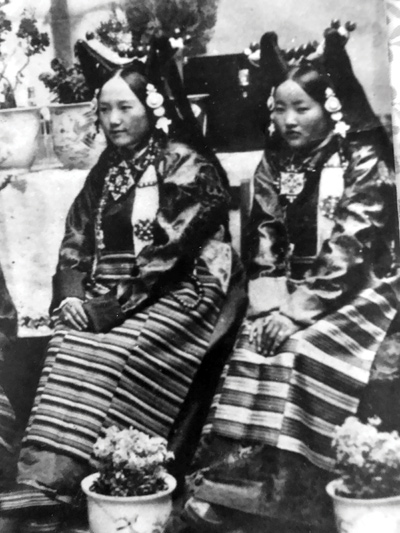
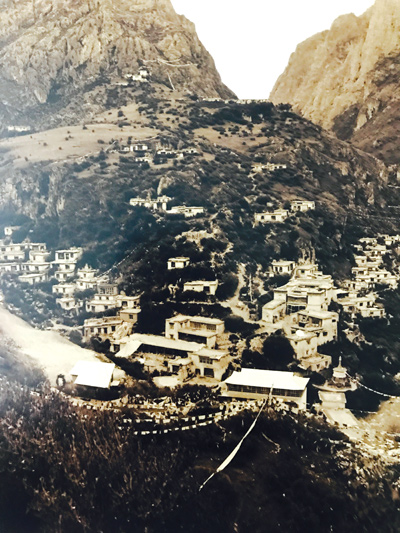
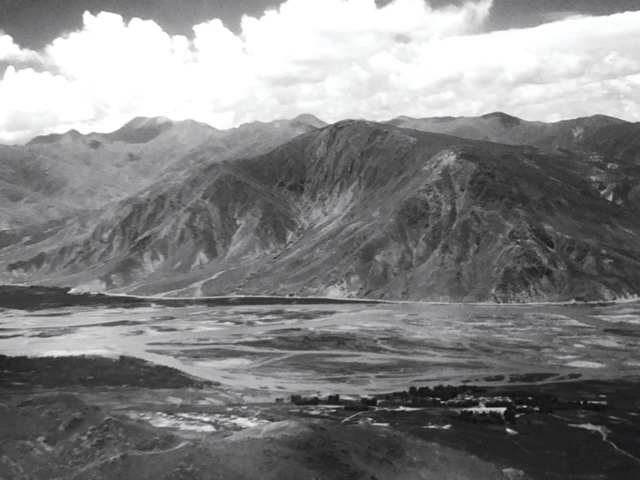
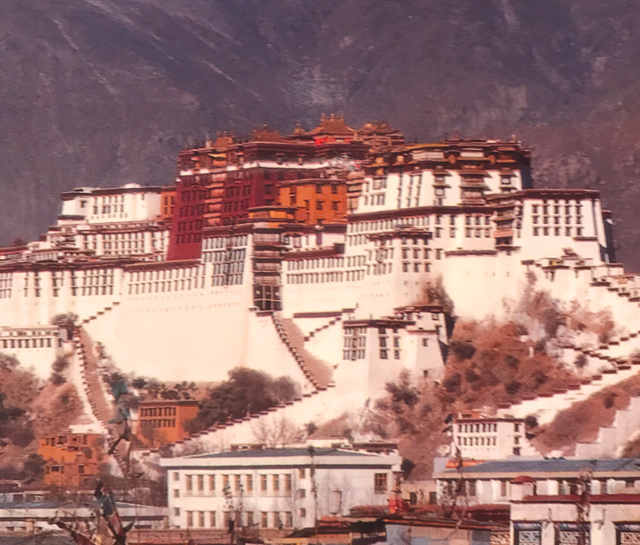
These photos of a bygone era are from the collection of Tseten’s family, The Chamatsangs (one-time prominent trading house from Kham) and The Yuthoks (aristocrats of that old world). The picture of the ladies is from the Yuthok family’s collection and reflects how the nobility lived then in Lhasa, a distant cry from the farmers and nomads of greater Tibet.
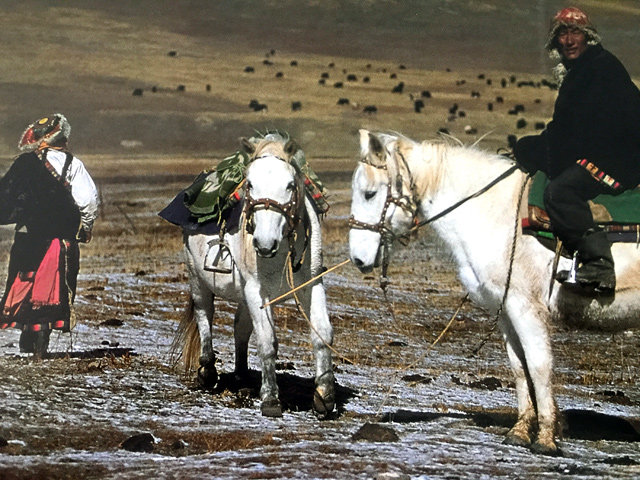
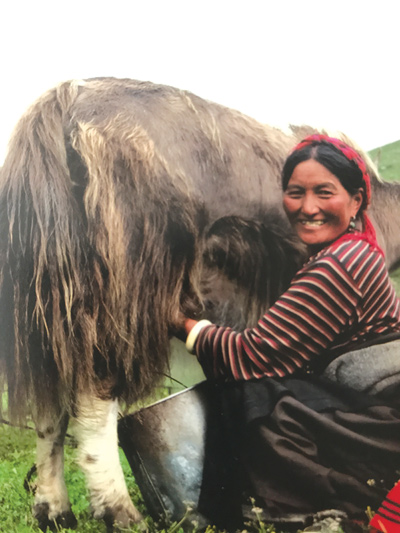
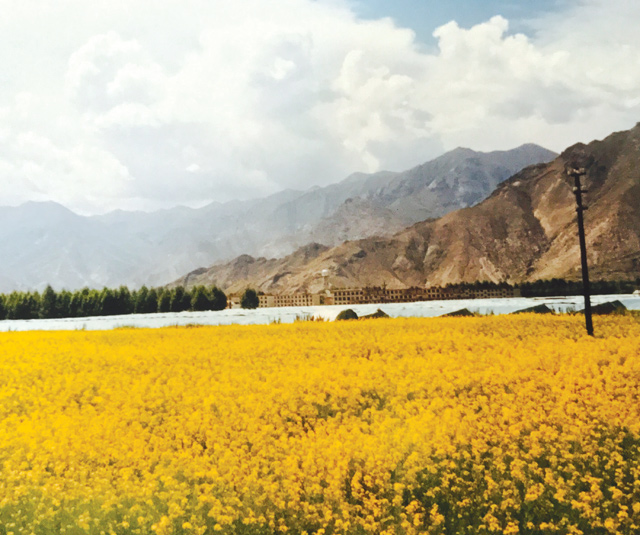
The picture of the milkmaid is reminiscent of how women folk worked in the villages. The images of the mountains and valleys are from different regions and cast their own splendour of a place in time.
The daughter’s song (Unseen Tibet)
I still remember well
when you carried me
the magic, the music of
your legends and fables.
I’ve always sought to know -
the secrets of the unsaid