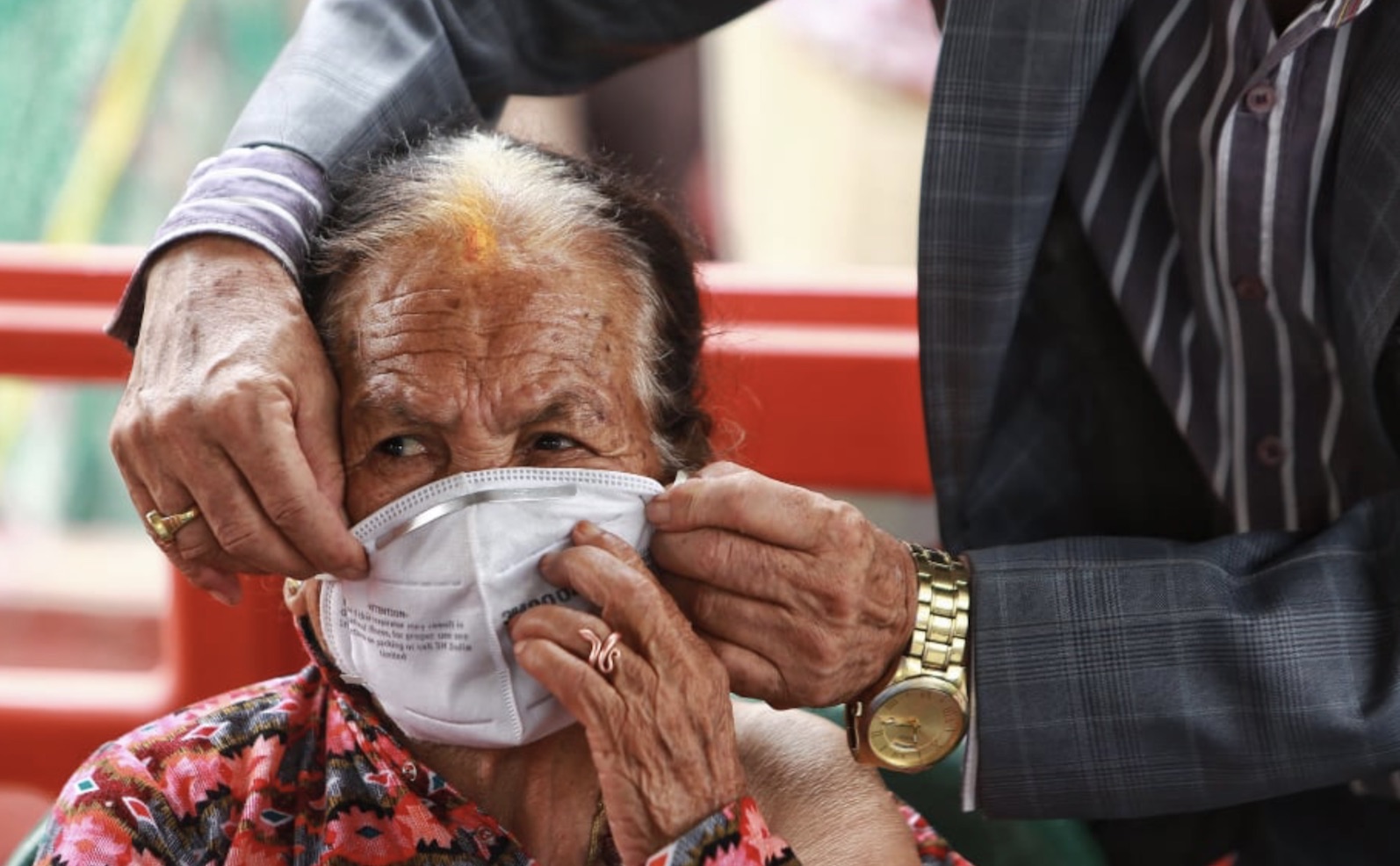
With a new increase in the number of Covid cases in Nepal, there is now a looming threat of a fourth wave in Nepal, even as public health experts are divided about the extent and severity of the new surge.
But they agree on one thing: we must continue to follow preventive measures despite our vaccination and infection status since the elderly and people with comorbidities are still at high risk.
Six new Omicron variants have been detected in Nepal including BA.2, BA.5, BA.2.38, BA.2.73, BA.2.75 and BF.1, according to Rajeev Shrestha, infectious disease specialist at Dhulikhel Hospital which conducted whole-genome sequencing on 22 swab samples last week.
On Sunday, Nepal reported 347 new cases while 95 patients recovered. Two fatalities were recorded in the past 24 hours. Active cases have surpassed 3,000 again, with the test positivity also climbing to 8.9%.
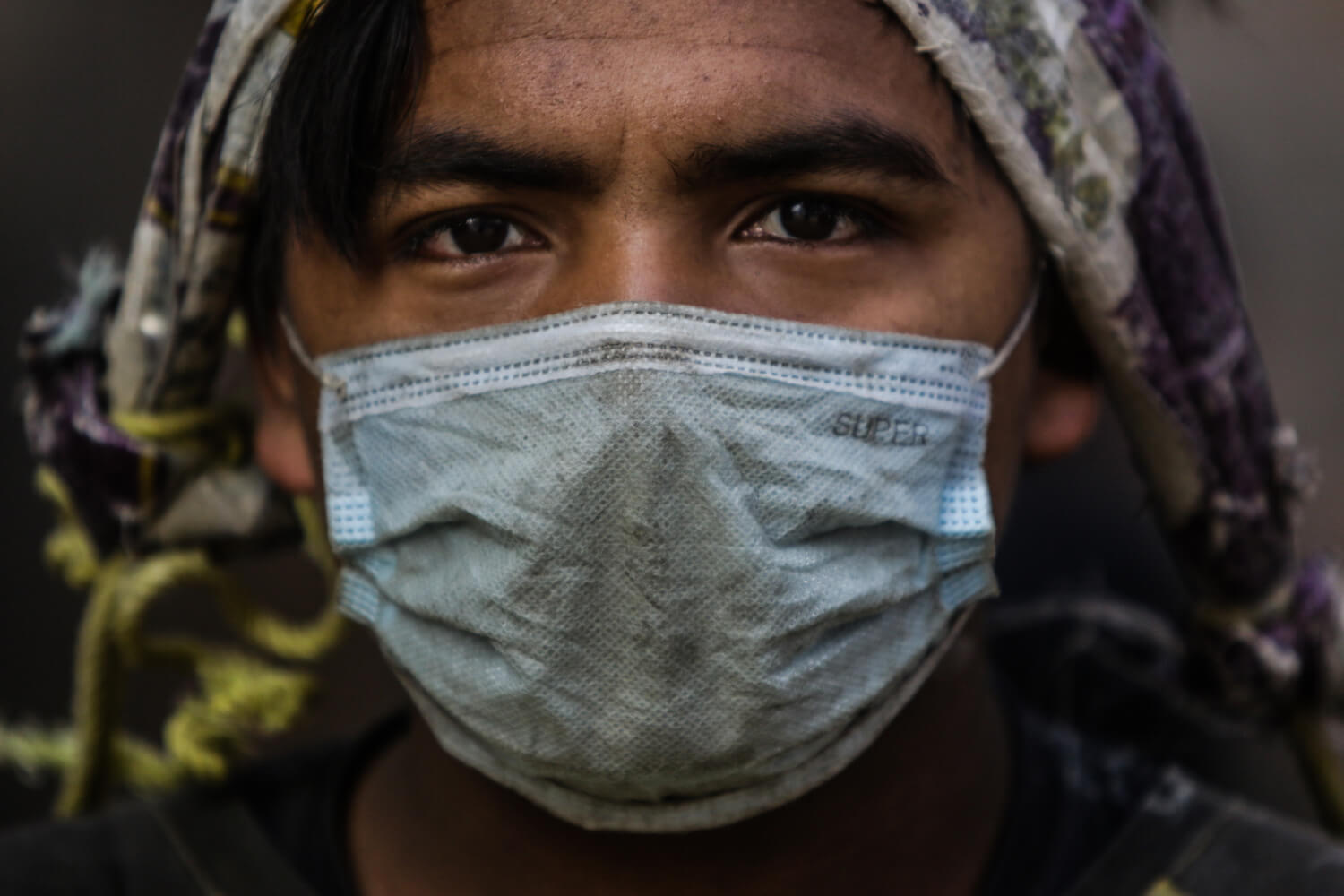
The newer variants of Omicron are many times more contagious than the original strain leading to a spurt in new Covid cases daily. The World Health Organisation (WHO) has also termed all the new sub-strains as variants of concern because of their higher transmissibility.
So far, BA.5 is the most dominant sub-variant and has spread over 110 countries with France, the US, Italy, Germany and Brazil.
Japan, Australia and China are also reporting spikes in new Covid cases while Iraq and Tunisia have emerged as new 'hotspots'. In South Asia and Southeast Asia, BA.5 is widespread in India and Indonesia.
“Some 5.7 million people worldwide have been infected with this variant. Scientists say that 50% of the existing Covid-19 infection is from this variant,” says Sameer Kumar Adhikari of the Health Ministry. “And because it is spreading widely in India, we are also very much at risk, especially if we are lax about it like we were with previous variants.”
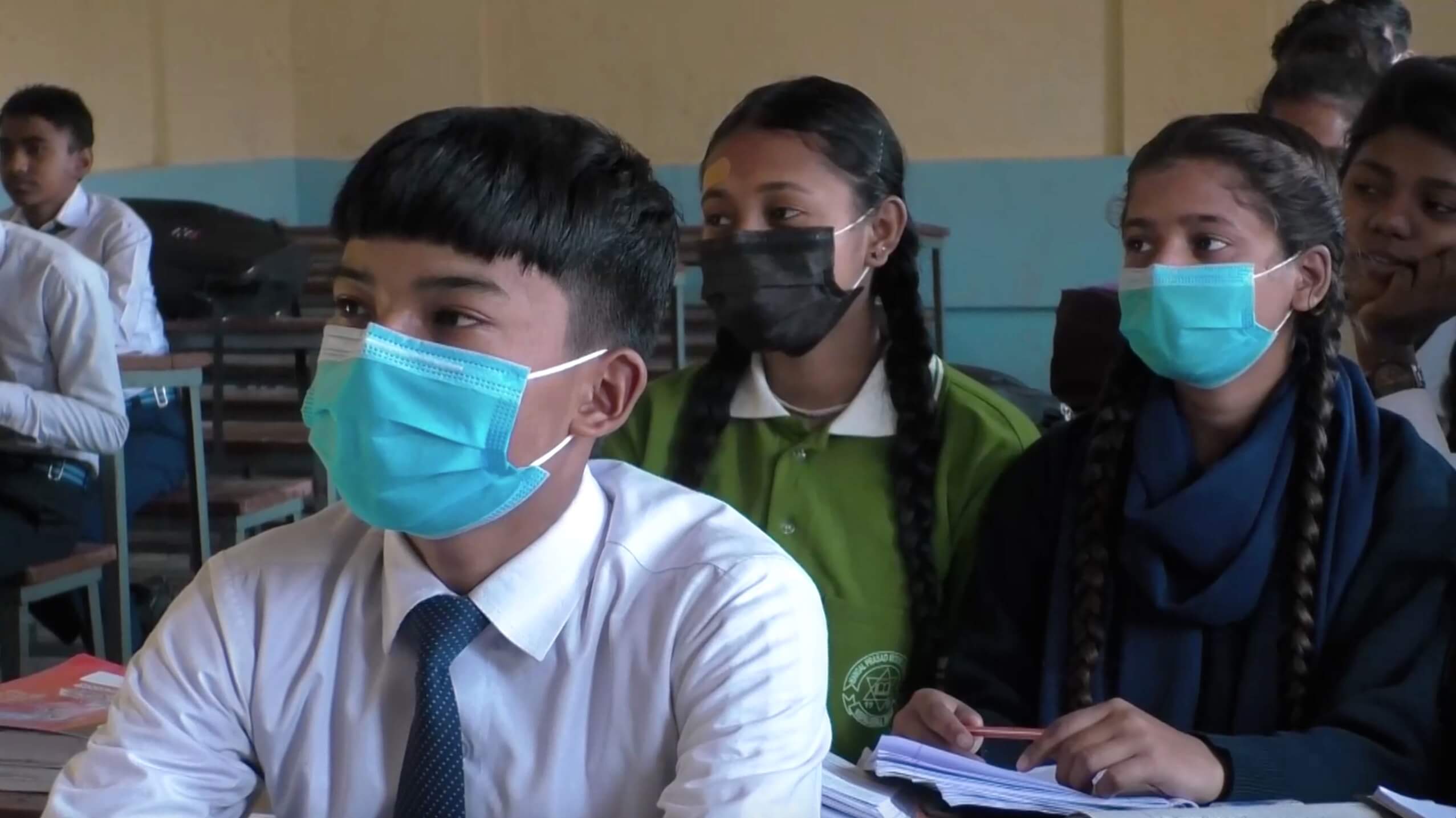
Another Omicron variant BA.2.75 which was first detected in India seems to be equally infectious and has spread to 14 countries including Japan, Germany, UK, Canada, America, Australia, New Zealand and Nepal.