
When Nepalis run into each other on the street, most greet each other with
“खाना खानु भो ?” which literally means ‘have you eaten your rice’? It is our ‘good morning’, ‘good evening’ and everything in between. And one is not supposed to respond with a detailed account of the food that was eaten.
But what is it about dal bhat that Nepalis (and many visitors) just cannot do without? It is a comfort food, like a warm hug. For Nepalis outside Nepal, it is a reminder of home. And some trekkers seem to get addicted to the carb kick dal bhat gives.
Read also: Dal bhat power, Ashish Dhakal
“It is so wholesome, so tasty. Perhaps it is tasty because it is wholesome,” explains Prabigya Basnet of Bhojan Griha, a Nepali restaurant in Nepal that has just reopened in a renovated historic building in Dilli Bazar.
She adds: “Everything is freshly cooked and prepared, there are all these spices and different flavours. It is a balanced diet, it is ayurveda on a plate.”
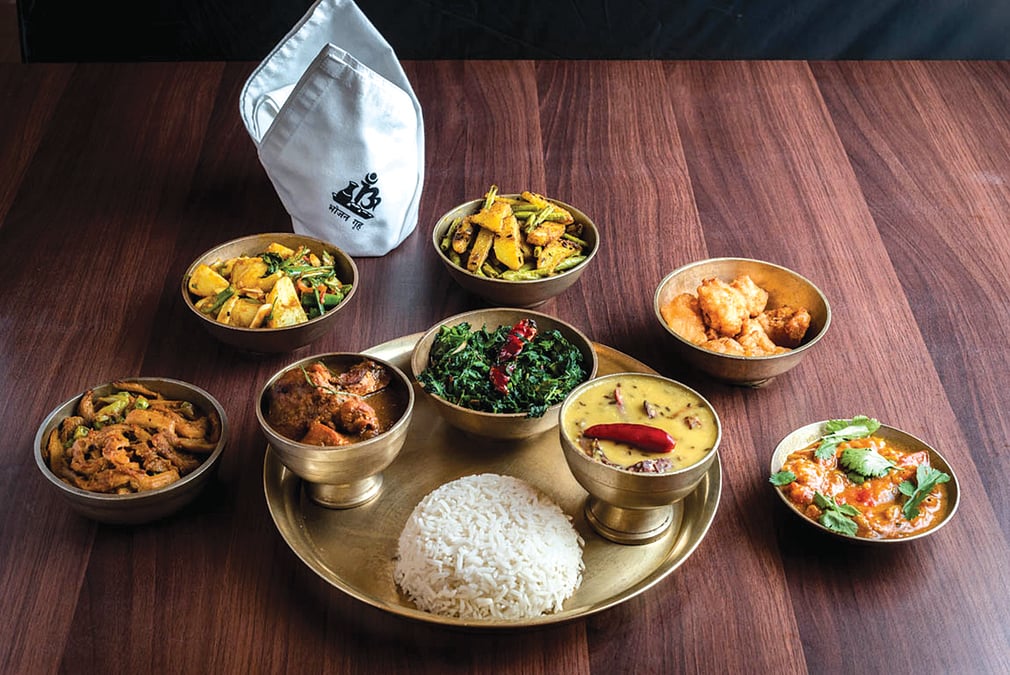
Bhojan Griha offers options for everyone: vegetarian, non-vegetarian and even vegans. White fluffy rice (or brown, or red) flavoured with ghee, warm and hearty lentil soup, seasonal vegetables, a potato dish and achar, perhaps of gundruk, lapsi or radish. A bowl of yogurt or a glass of lassi can be a refreshing accompaniment. For meat lovers, there is either a chicken or mutton curry. Some add fish or eggs to the set.
Read also: Exploring Nepal's culinary diversity, Kedar Sharma and Kiran Sharma
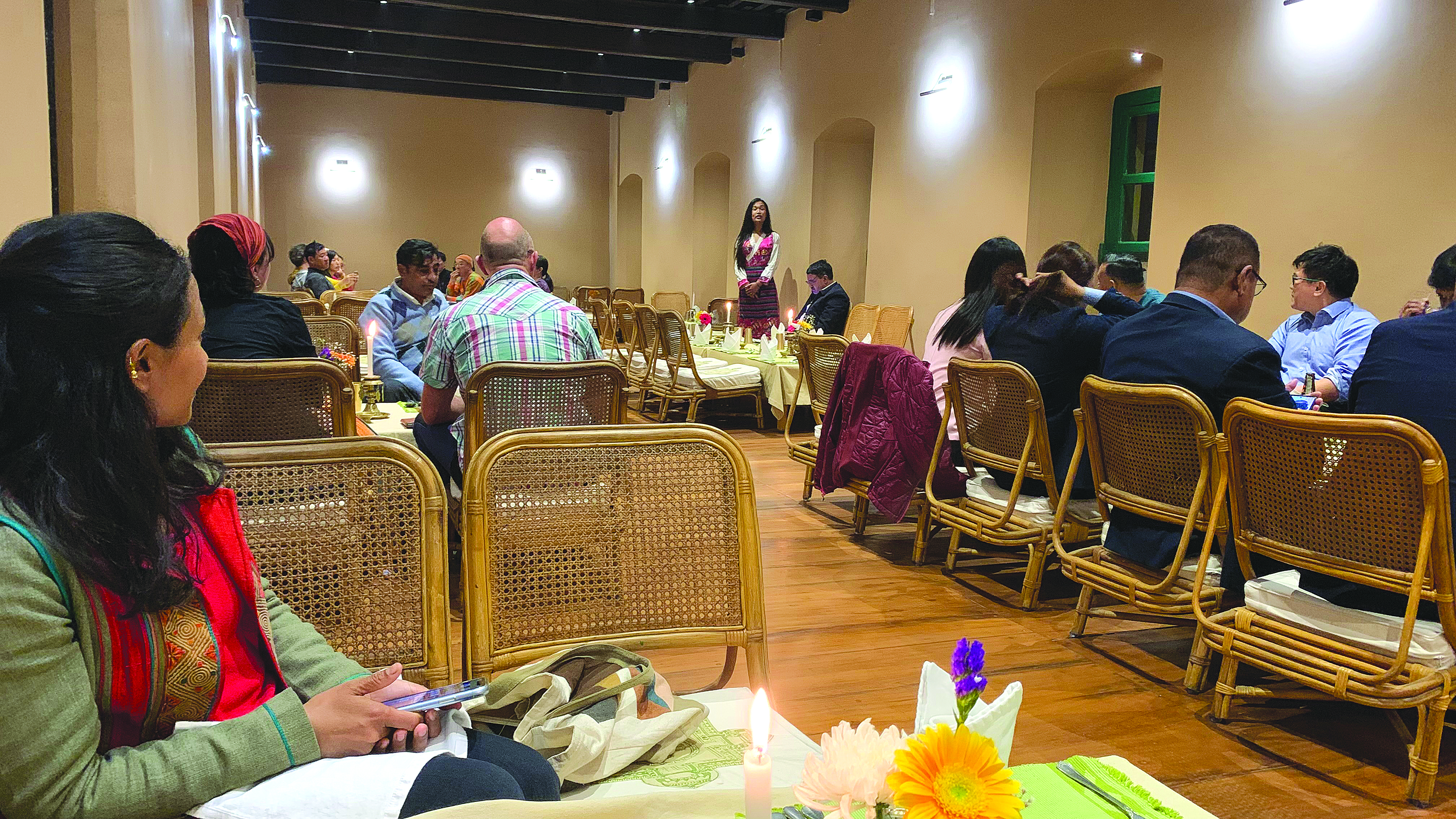
At Bhojan Griha most dishes are prepared using organic produce from Basnet’s family-run Three Trees Permaculture Farm in Bhaktapur. “The idea is to share and preserve ethnic Nepali cuisine, and give visitors a flavour of Nepali food and culture,” says Basnet, as a group performs Tamang selo dance number between the low-set chairs and tables.