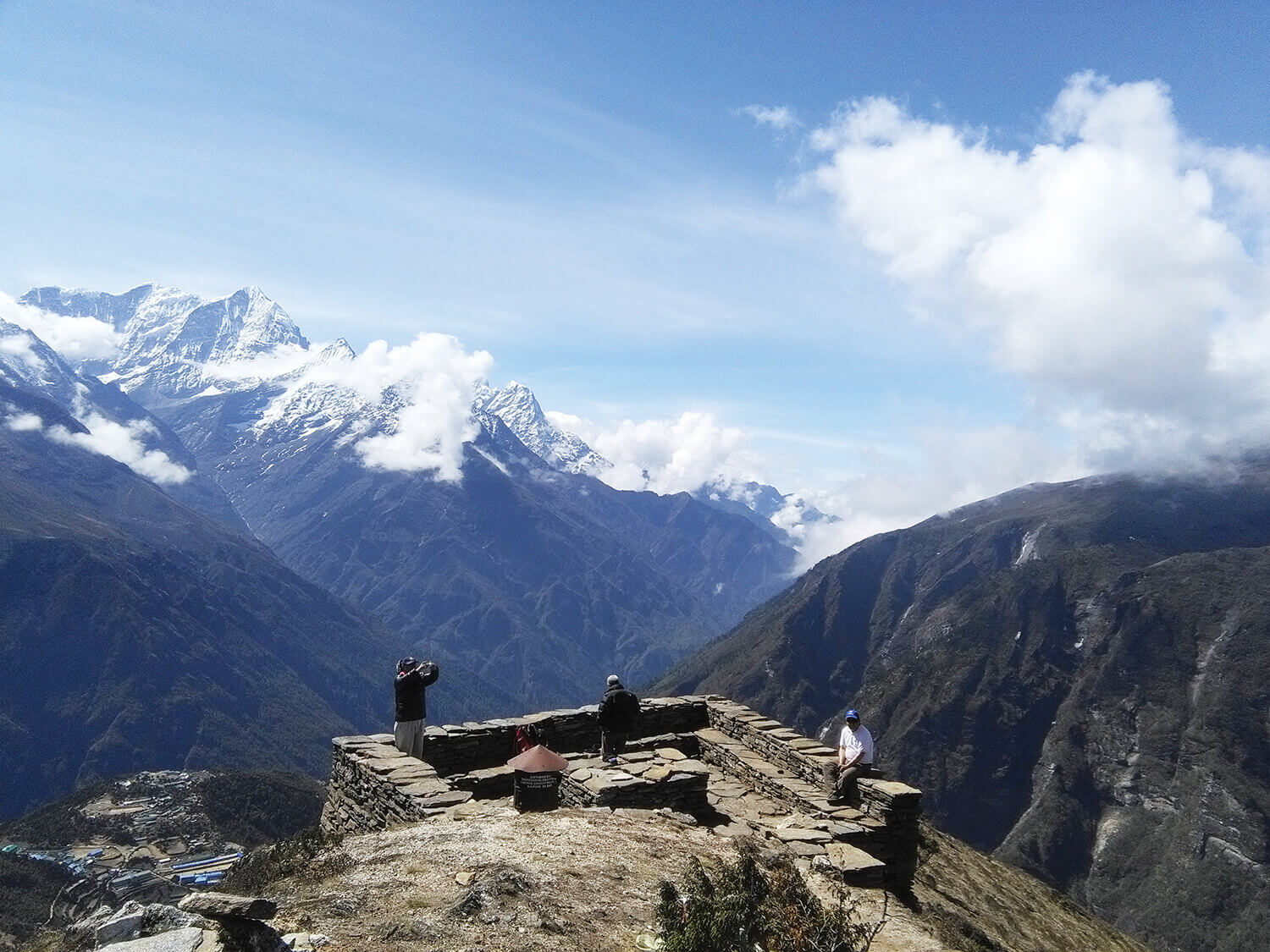
Rabin Giri in Khumjung, Himal Khabarpatrika 3-10 June
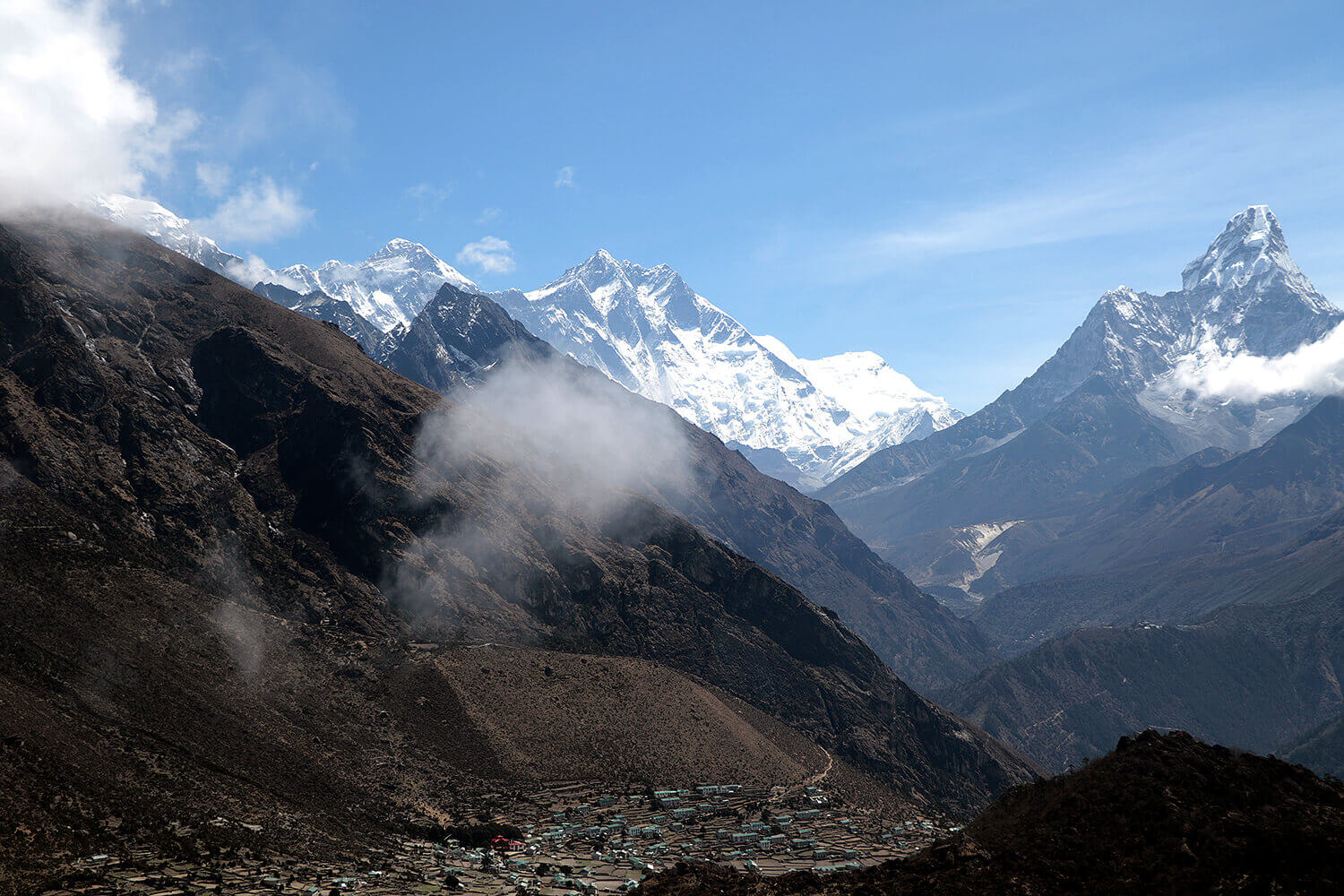
Few places even in the Nepal Himalaya have such a scenic setting as Khumjung, the tranquil village nestled in a gently sloping valley in the lap of the holy peak of Khumbila, and flanked by some of the highest mountains int he world.
You might ask yourself: why did I not come here before? Stand at any point in this clean town of stone homes and chortens, and you have a 360 degree view of the surrounding peaks: Thamserku, Ama Dablam, Lhotse, Chomolungma, Kongde.
The local people are friendly and gracious, and the town is spared the throngs of trekkers and mountaineers on the Namche-Tengboche trail. There is a well-equipped hospital and school established by Edmund Hillary 60 years ago.
But the beauty and contentment belie the grievances of the local people against the government in Kathmandu. Despite the Khumbu having a much higher standard of living than the national average, people here have always felt neglected by the state. Now, even federalism has failed to satisfy their demand for more say.
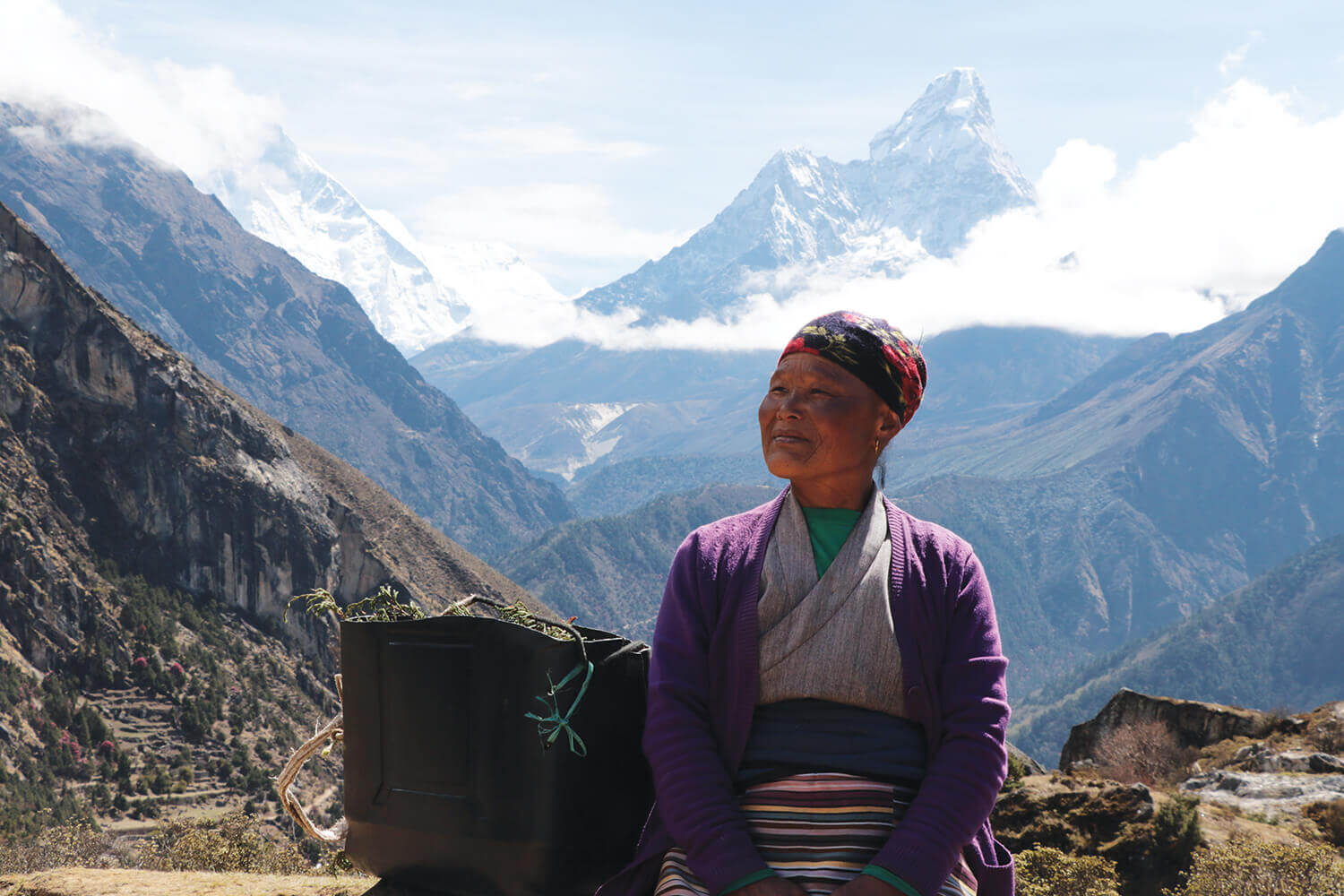
Tenzing Tashi Sherpa of Khumjung says: "All that the government cares about is to make revenue from the mountains, not the people who live in the mountains."
Sherpa, who previously served as President of Khumjung Buffer Zone Committee of Sagarmatha National Park, adds: "The tourism budget allocated for Khumbu region is gobbled up by local politicians in the district headquarters -- it does not trickle up to Khumjung."
In 2015, the government decided to earmark at least 30% of tourism revenue for local people. The government collects about Rs350 million annually from Everest royalty fees alone, and an additional Rs70 million from other mountains of the Khumbu region.