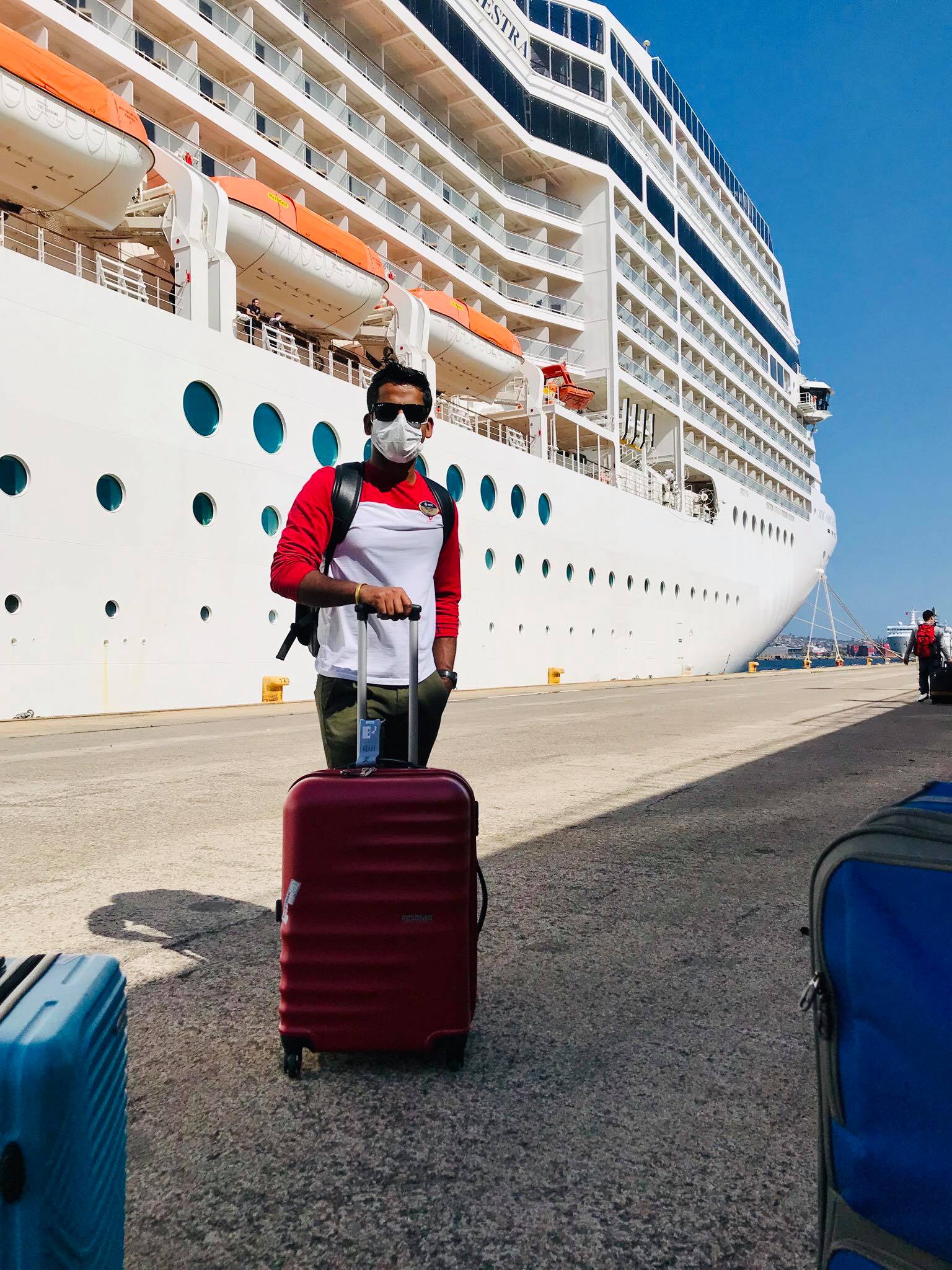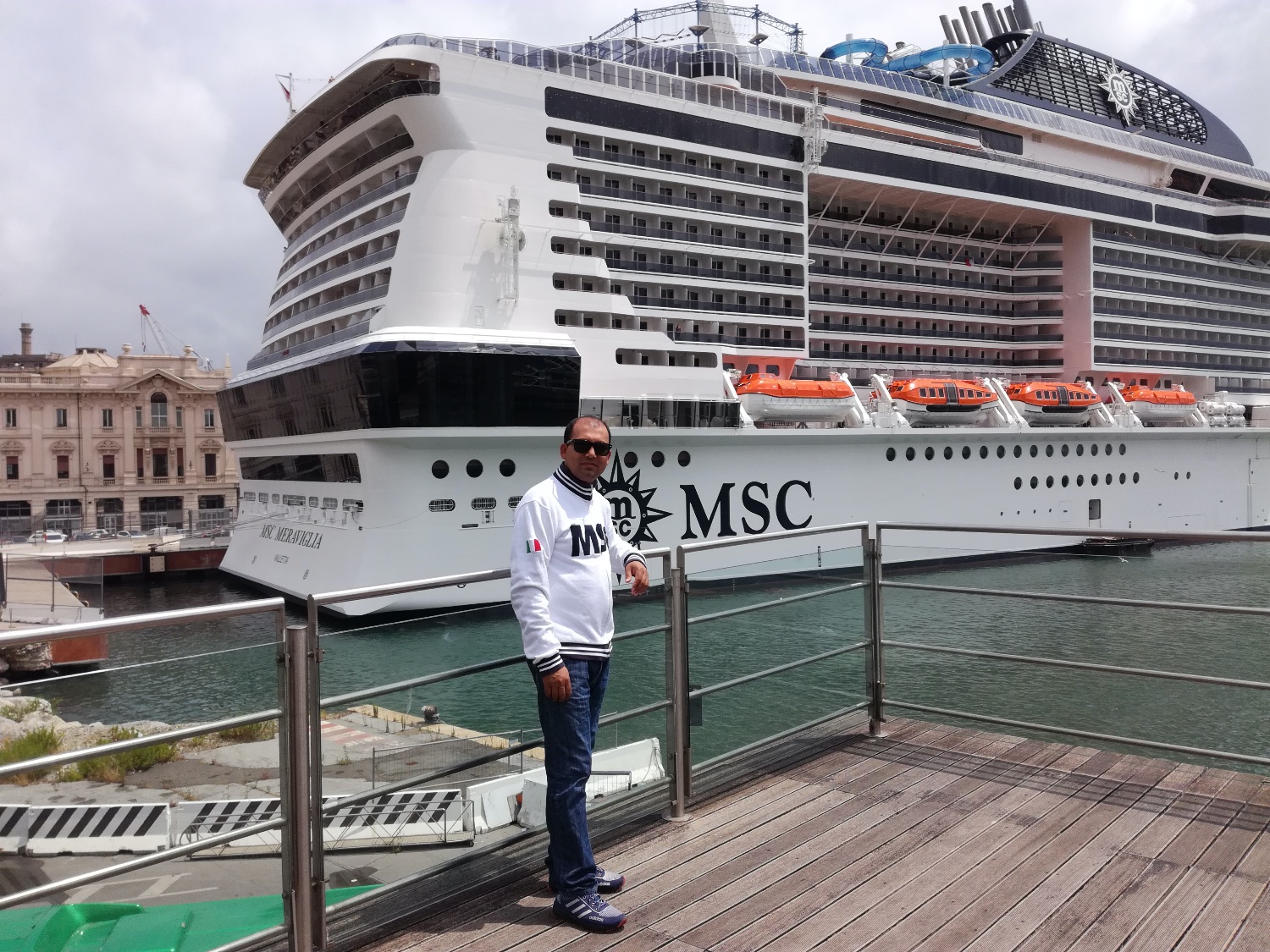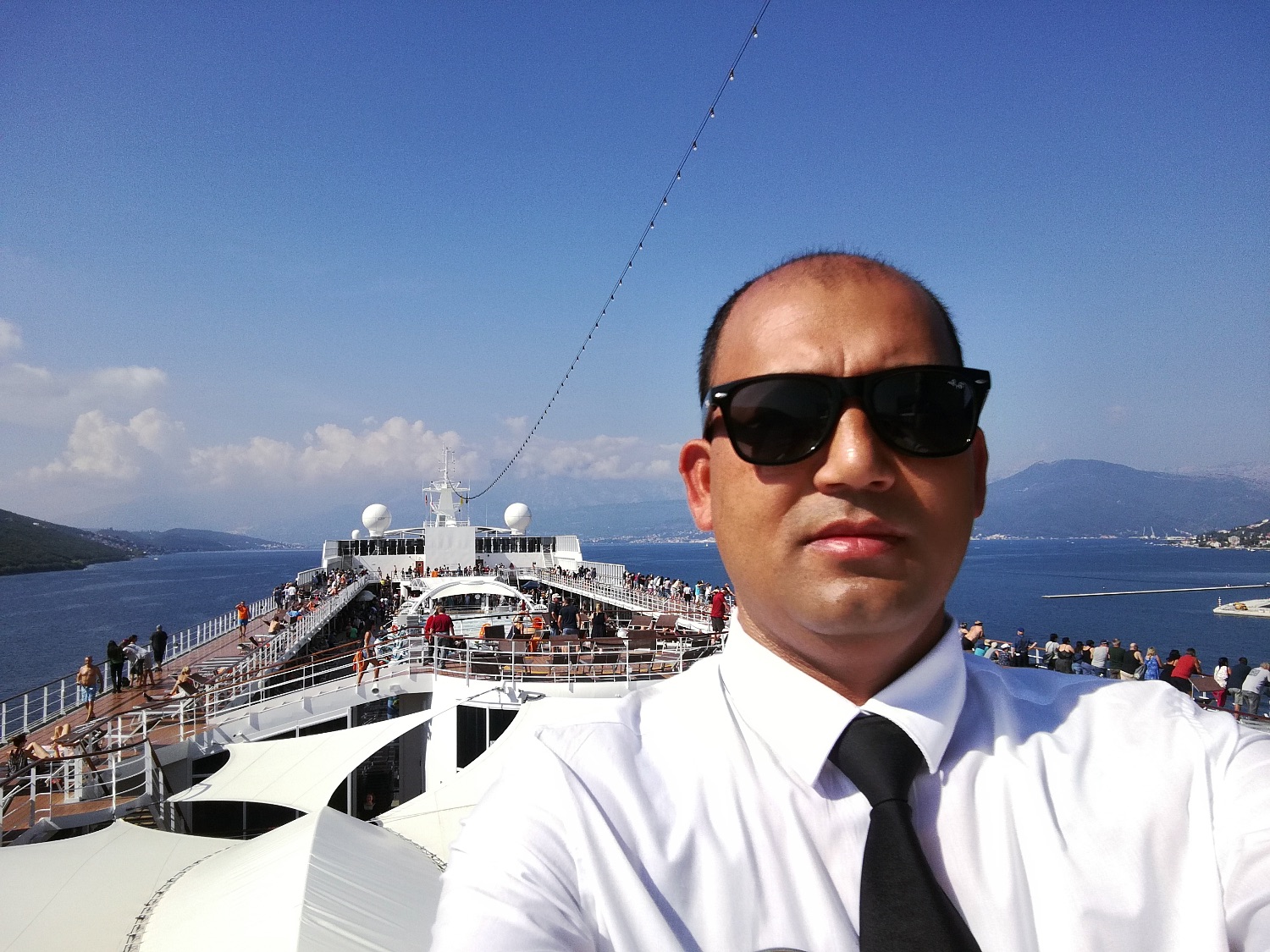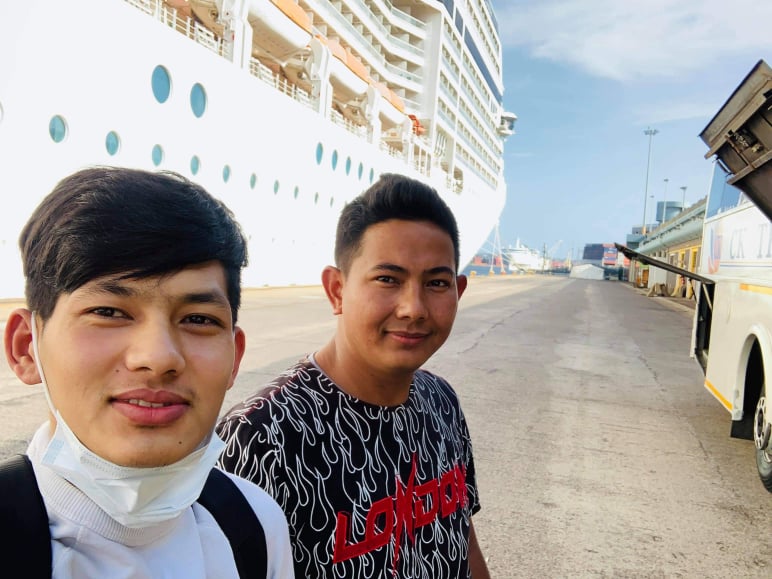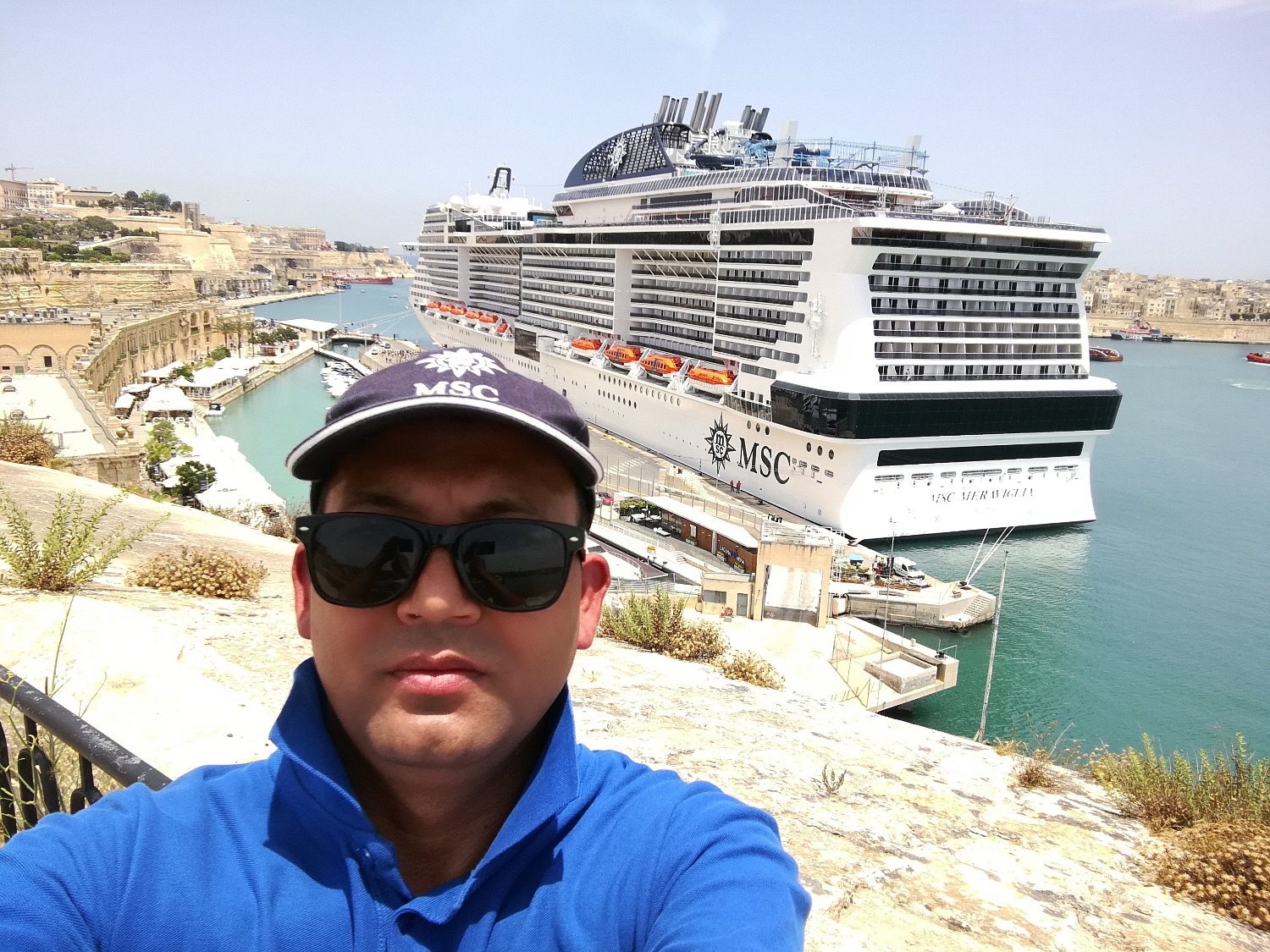
saroj KC’s first memory as a crew member in a cruise liner was being awestruck at the sight of a humongous multi-level ship docked in the Guangzou port in China.
The mammoth 17-decked ship, with an accommodation for 7,000 people, was going to be his home for the next nine months as he worked in the galley.
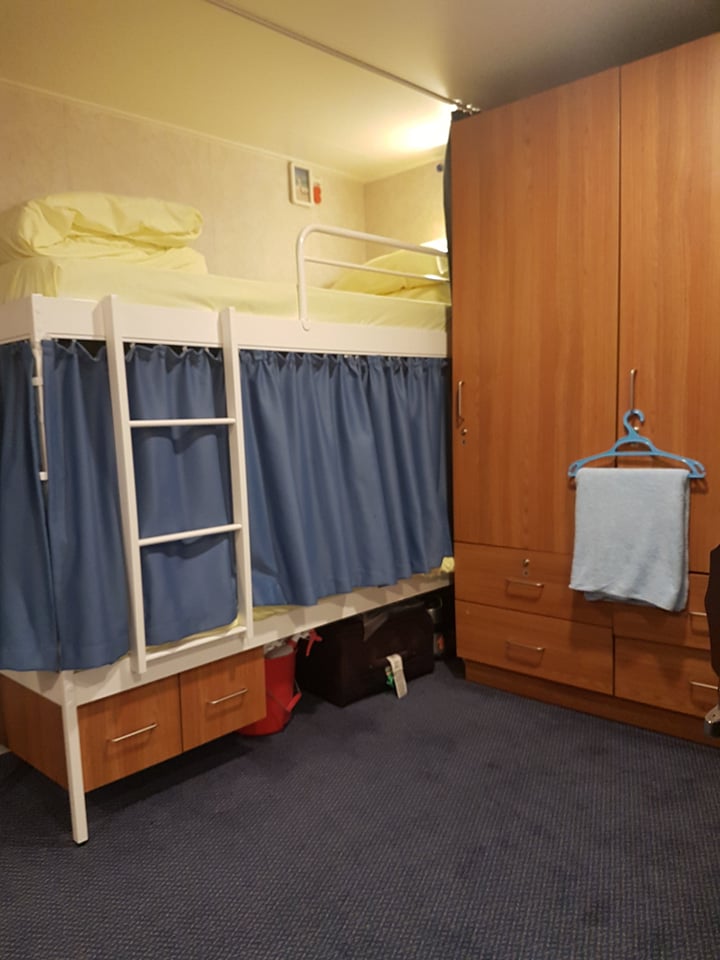
Once on board, he recalls that the scale inside did not match what he saw outside. The corridors in the crew area, set aside for crewmen, were narrow and maze-like while the identical worker cabins were tiny. He felt claustrophobic and lost, with no sense of direction to navigate his way around the vessel.
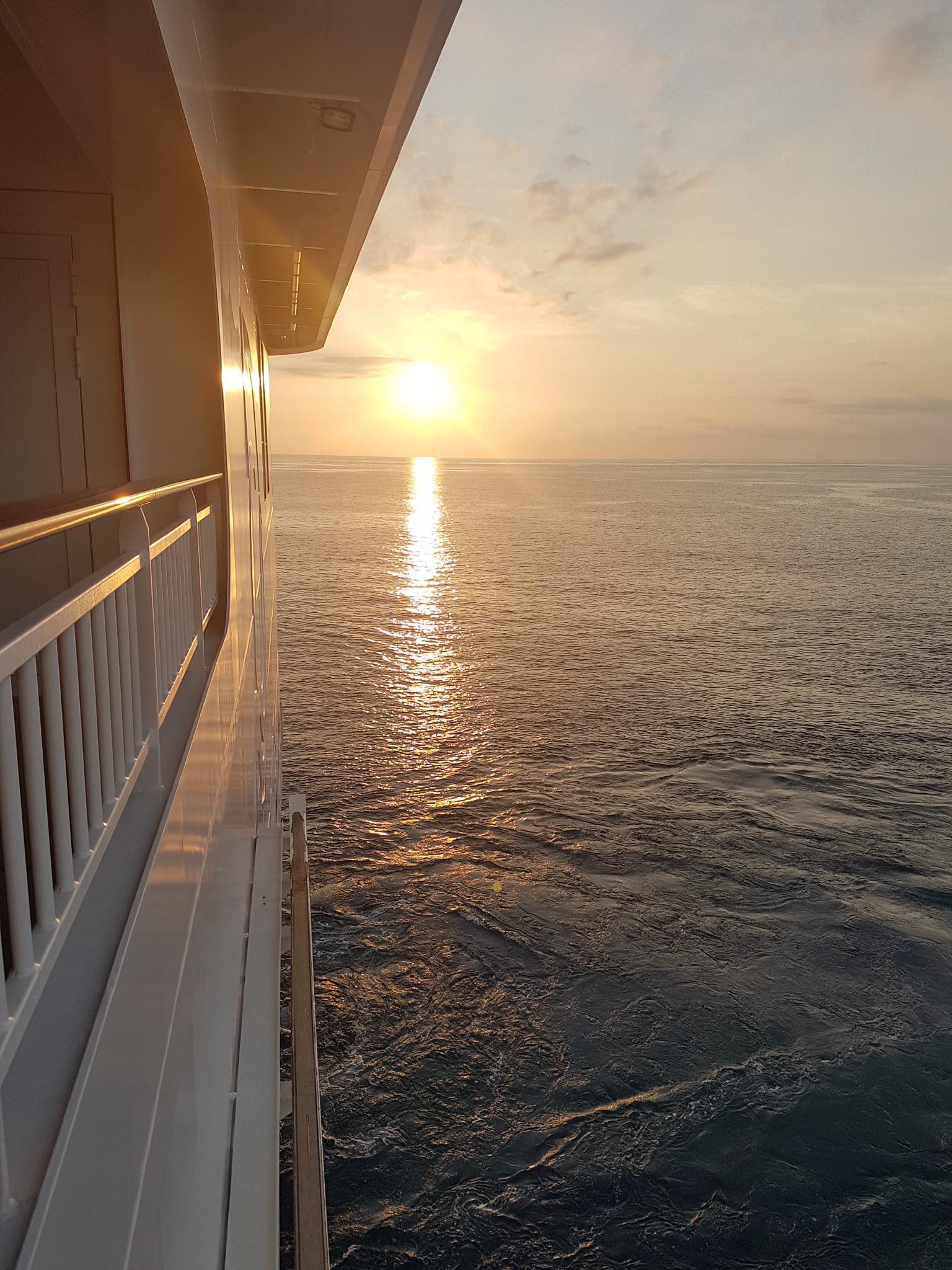
By 2020, his memory on the ship was a stark contrast to his first, as he was stuck in a passenger-less ship for four and a half months, docked in a port in Malaysia. With no passengers on board, crew members were given access to the whole ship and he enjoyed the privileges previously reserved for guests--larger rooms with balconies, relaxed hours, amenities and good company.
As he waited to return home, he found comfort in having access to free wifi. “Internet usually is expensive, we have to pay around 14 Singapore dollars for 1 GB, so we are cautious about what we stream. But during the lockdown, we were provided free wifi which was great as we got to keep in constant touch with our families and stream movies during the lull hours,” KC recalls.

The sea, the sea
The $150 billion global cruise industry was severely impacted by Covid-19. Prior to the pandemic, passenger volume in 2020 was estimated to grow to 32 million, compared to 26.7 million in 2017 and 17.8 million in 2009. A 2018 report shows that the industry created 1,177,000 jobs and catered to 28.5 million passengers.
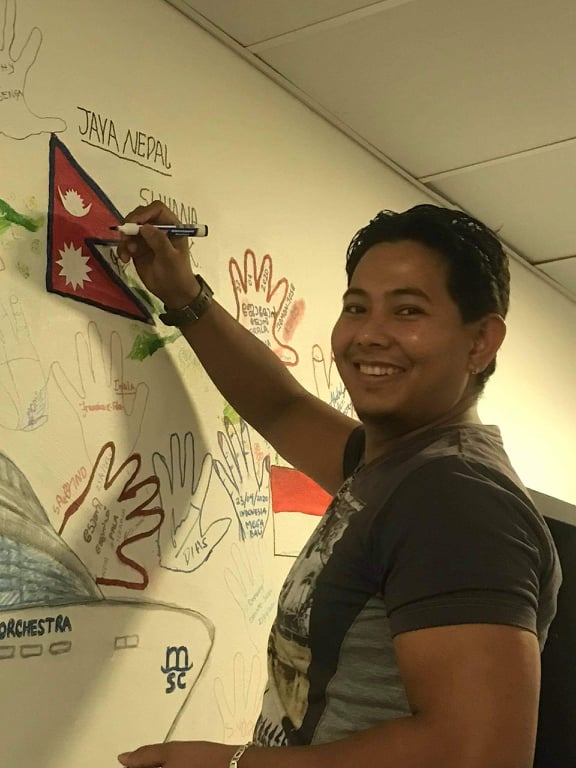
KC is one of the thousands of Nepalis who make their livelihood at sea, alongside Filipinos, Indians and Indonesians, who dominate the industry. Now in Kathmandu, he is waiting for things to normalise so he can resume his job.
Compared to other land-based overseas jobs, KC found the work arrangement at his sea job unique and attractive. Each contract lasts between 7-9 months, after which they get to come home for a long vacation of around 45 days.
“But while you are on the job, the work is highly demanding. There are no weekly days off and the pressure can be quite overwhelming,” he says.
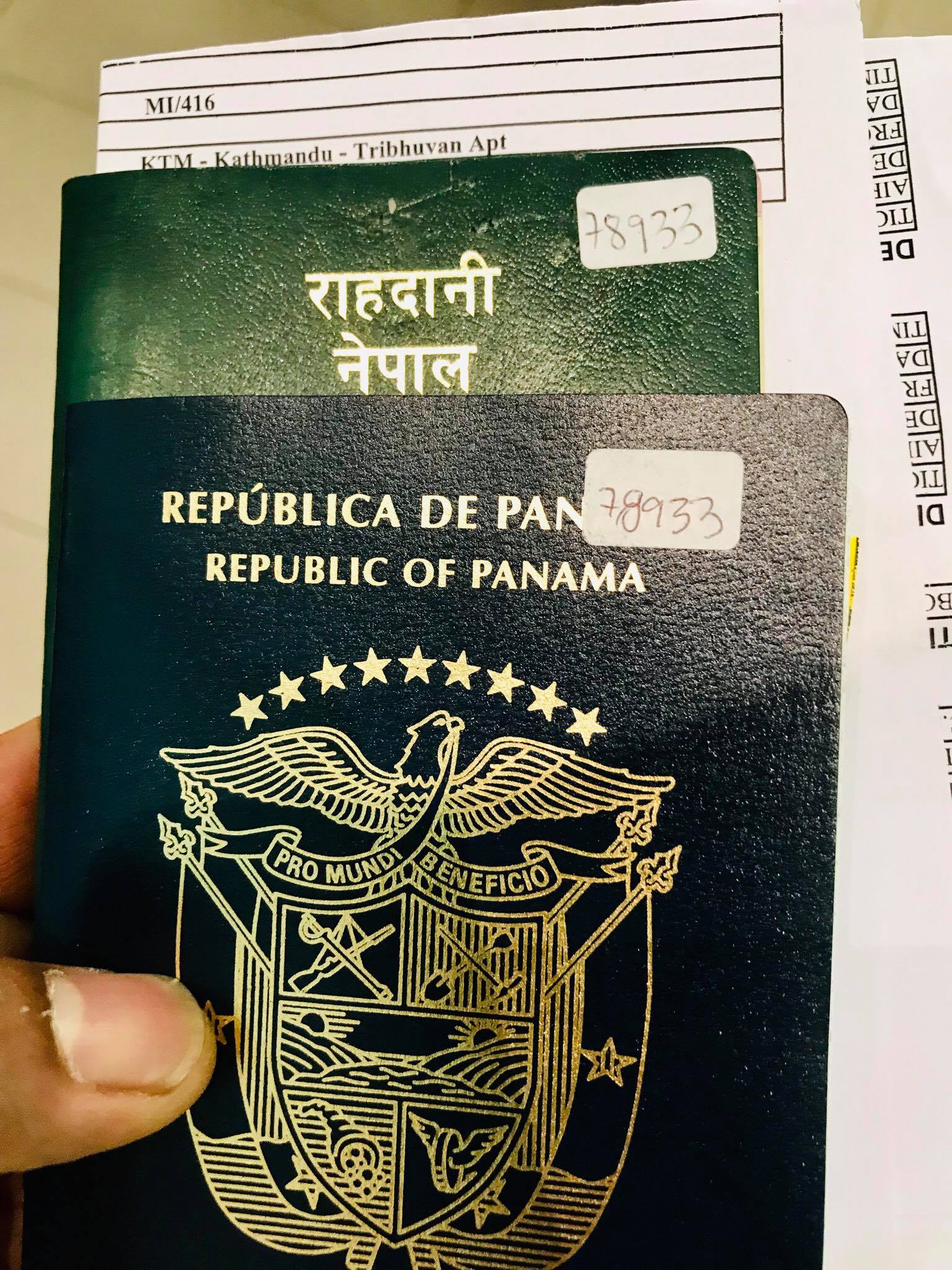
Cruise companies have a notorious reputation for registering companies in countries like Panama and Liberia under a practice called ‘flag of convenience’ which reduced operating costs, allow for tax evasion, more lax labour and environmental standards.
But migrants we spoke to compared employment terms relative to existing options at home or in other land-based jobs.
The pay is comparatively better in the industry, while the crew members’ entertainment is prioritised via game rooms, and crew bars and the food and living costs are taken care of. And there is the travel opportunity.
“In 9 months, I was able to see over 40 countries including France and Italy,” says Bijaya Ranjit, who was always fascinated by Fewa Lake in Pokhara, the largest body of water she saw while growing up. “It is exciting and you don’t want to miss a thing because who knows whether you will ever get to see these places again?”


She says when the cruise starts docking in the same ports repeatedly, however, the fascination with touristic sites dissipates.
Currently unsure when she can resume her work at sea, Ranjit is hopeful for a 2022 revival. This time around, she is hoping her seafaring adventures will take her to places like Australia and Canada where she has not yet been.
The high-profile outbreak on cruise vessels including the Diamond Princess cruiseship with 700 positive cases on board and 13 deaths cost the industry its reputation. A year later, major cruise companies are again reporting strong booking for the second half of 2021. This bodes well for Nepali seafarers like Bijaya Ranjit who is anxiously waiting to resume her job.
“The ship offers many opportunities for personal growth if we are able to seize them," she says. "I focused on soft skills like language training. To survive the monotony and the grind, you have to be able to make light of the dreary days at sea and to find solace in the company of your on-deck peers who become like family.”
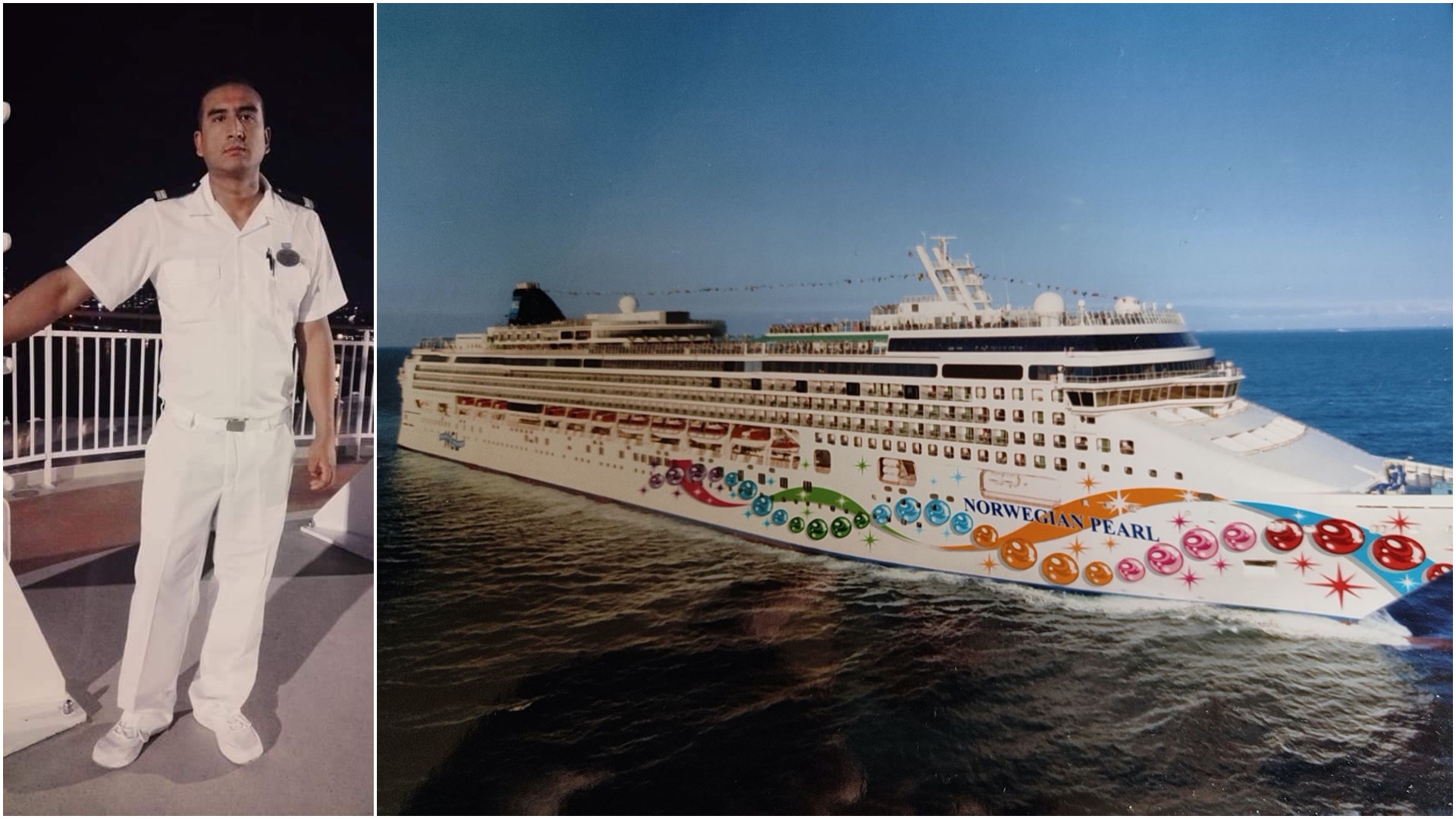
Dipendra Thapa has been working in the cruise line since 2006, and has visited 70 cities in the last 14 years. His previous jobs at five star restaurants in Nepal prepared him well for his stint on the cruise. When Covid-19 hit, his ship made its way back to Italy, the primary port, where he was stranded for a few months.
“There is a world of its own inside the ship and we made use of it as we waited to go home,” he recalls. But once the cases started rising in Italy, crew members were isolated in single passenger cabins in the ship.
“Of course we were nervous and uncertain but my employer took the best care of us given the situation,” says Thapa, who was repatriated via Qatar after a month of being isolated in single rooms with support from the Nepali mission in Geneva. In addition to the ticket costs, the quarantine costs in Kathmandu were also covered by the employer.
He is grateful to his employer, who has been in touch with him to enquire about the ongoing situation, but equally grateful to the guests on the ship who have given him a different take on life.
“I have spoken to guests for whom a cruise was a dream for which they saved for many years. Not all our guests are rich. It is a luxury and a dream for many,” he says
He is hopeful that things will normalise soon, even though there is much uncertainty about what awaits. “And just because we are landlocked does not mean we shouldn’t exploit sea-based opportunities,” he says.
[video width="640" height="368" mp4="https://nepalitimes.com/wp-content/uploads/2021/02/Landlocked-Nepalis-3.mp4"]
Anchored to their jobs
Of the 853 recruiters in Nepal, only two specialise in seafarer deployment, while a few others handle both land and sea-based workers.
Bhakta Bahadur Payangu at Good Alliance Overseas, has recruited over 2,000 seafarers in the last decade, and estimates around 7,000 Nepali workers are working in the maritime industry.
Payangu's challenges as a recruiter is to ensure the seafarers sector is recognised by the government before he can put Nepalis in the cruise companies’ radar since it requires more specific attention.
In destination countries, visa rules to seafarers are very flexible as the governments realise that they are only arriving for transit to use the port, so a large majority of the countries allow visas on arrival. But Nepal’s rules for obtaining the mandatory labour permit requires visas as a prerequisite.
“Since years, we have tried to convince the government to accept 'okay-to-board' letters in lieu of visas for seafarers. They have become more flexible in the last few years,” says Payangu.
A specific directive that addresses the peculiarities of this sector covering orientation, training and labour approval process have been pointed out by recruiters. Penetrating this market is equally challenging as Nepal already is at a disadvantage given its landlocked status and geographical constraints.
“Workers do not leave the contracts once they get the job so opportunities for new workers can be limited. Many workers stay until they retire because there isn’t really a reason to leave,” he explains. Nepal has not been able to leverage the available opportunities.
Nepali workers don’t have basic English language skills. There are more options for security guards, housekeeping and food and beverage if there were more skilled Nepalis, says Payangu.
"We also need the administrative process to be made simpler. Employers don’t have a reason to tolerate the delays in worker deployment from Nepal due to administrative hassles if they can get a Filipino within days,” says Payangu.
“As a recruiter, I can sleep better when I can send maritime workers because cases of abuse, non-payment of wages, contract infringement, is very low,” he says.
Those who have worked at sea also emphasise the skills factor, highlighting especially the need for English language proficiency.
“There are a lot of opportunities but my advice to incoming Nepalis is to have a longer time horizon. They may manage to get in without basic skills like English language with the help of intermediaries and by paying high recruitment costs, but this will work against them once they are on the ship." says Dipendra Thapa.
There is also the issue of obtaining seaman's logbook, which is a mandatory requirement that records seafaring experiences. Nepalis currently have to obtain it from India. In 2018, Foreign Minister Pradeep Gyawali announced that seamen’s logbook would be issued in Nepal itself. But since it has not materialised, workers are compelled to obtain it from the Indian government, meaning Nepal is also losing out on the revenue.