Nepal’s geographic and climatic conditions deliver the finest quality coffee, and so far Gulmi, Nuwakot, Lalitpur, Kavre, Palpa, Syangja, Kaski and Sidhupalchok have been traditionally famous for beans.
Now, even eastern Nepal is proving itself to have the ideal conditions for coffee plantation.
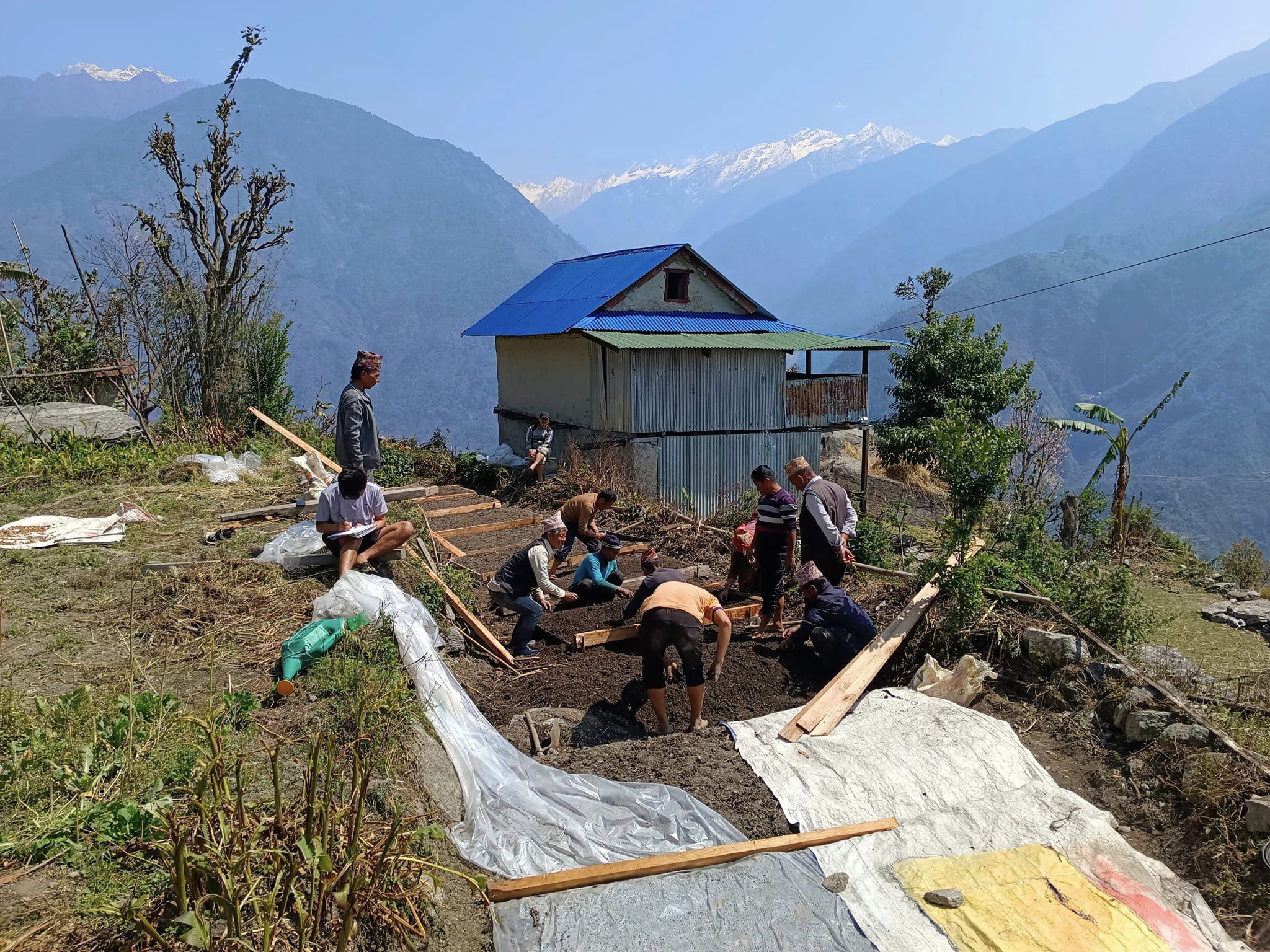
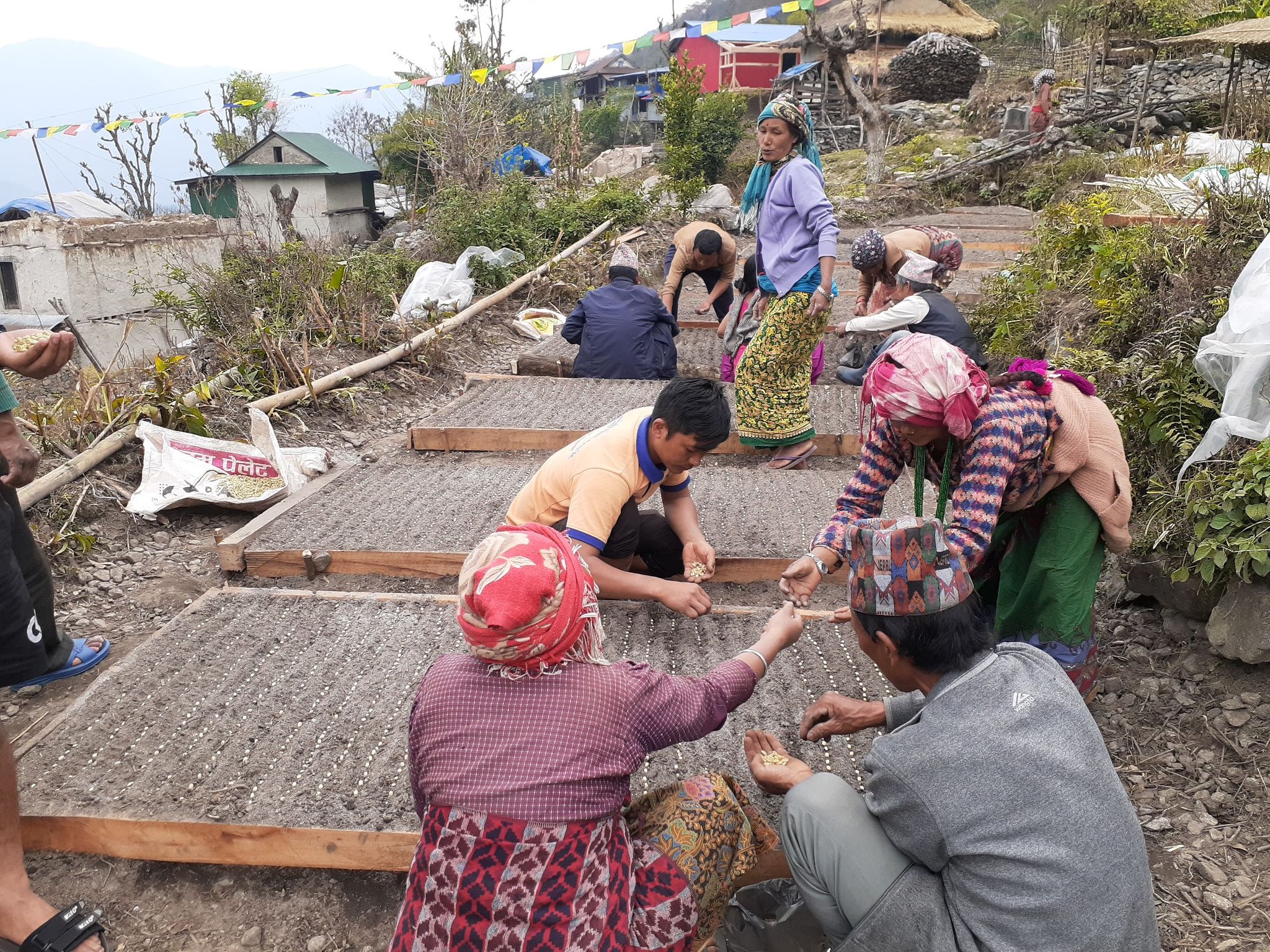
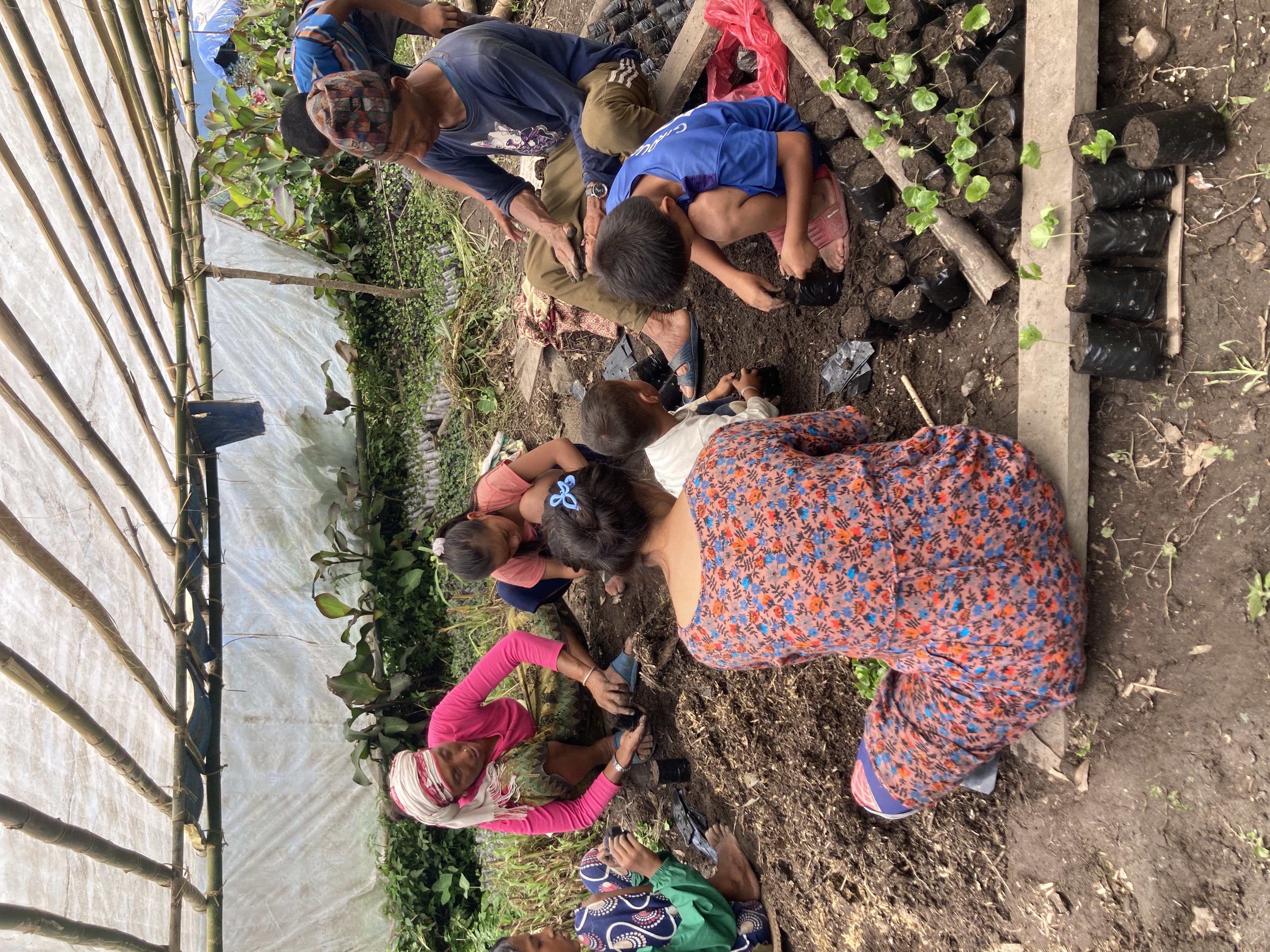
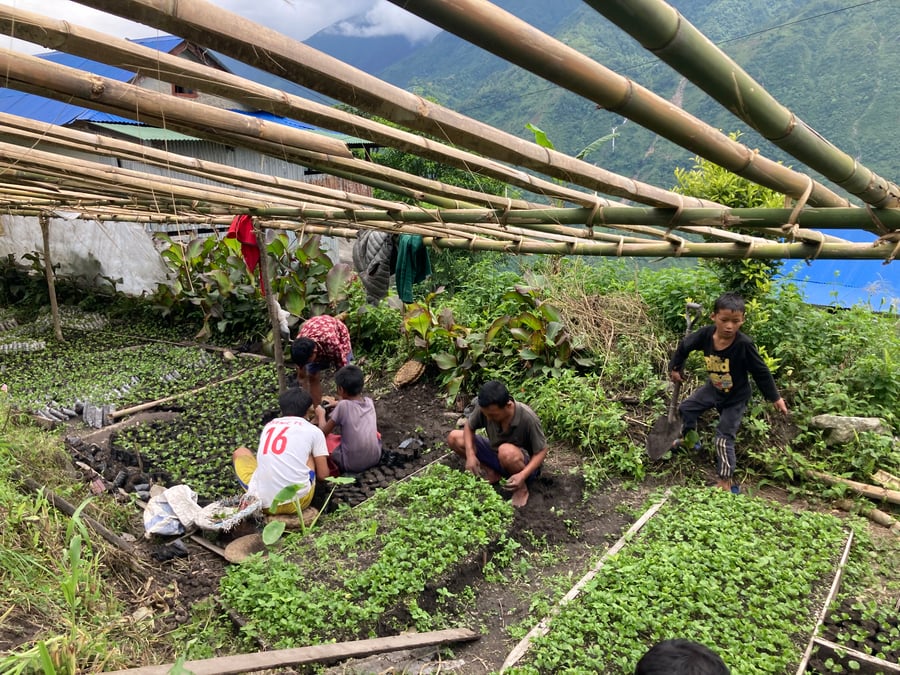
In the village of Simma in the Arun Valley, men are mixing fresh soil, women and children pack saplings into plastic sacks, and men water coffee plants under the hot sun.
After four years of careful planning by Lakpa Nurbu Sherpa of Ekuwa Makalu Ward 3, who is the founder of the non-profit NPO Nepal, the coffee farm is finally seeing substantial growth.
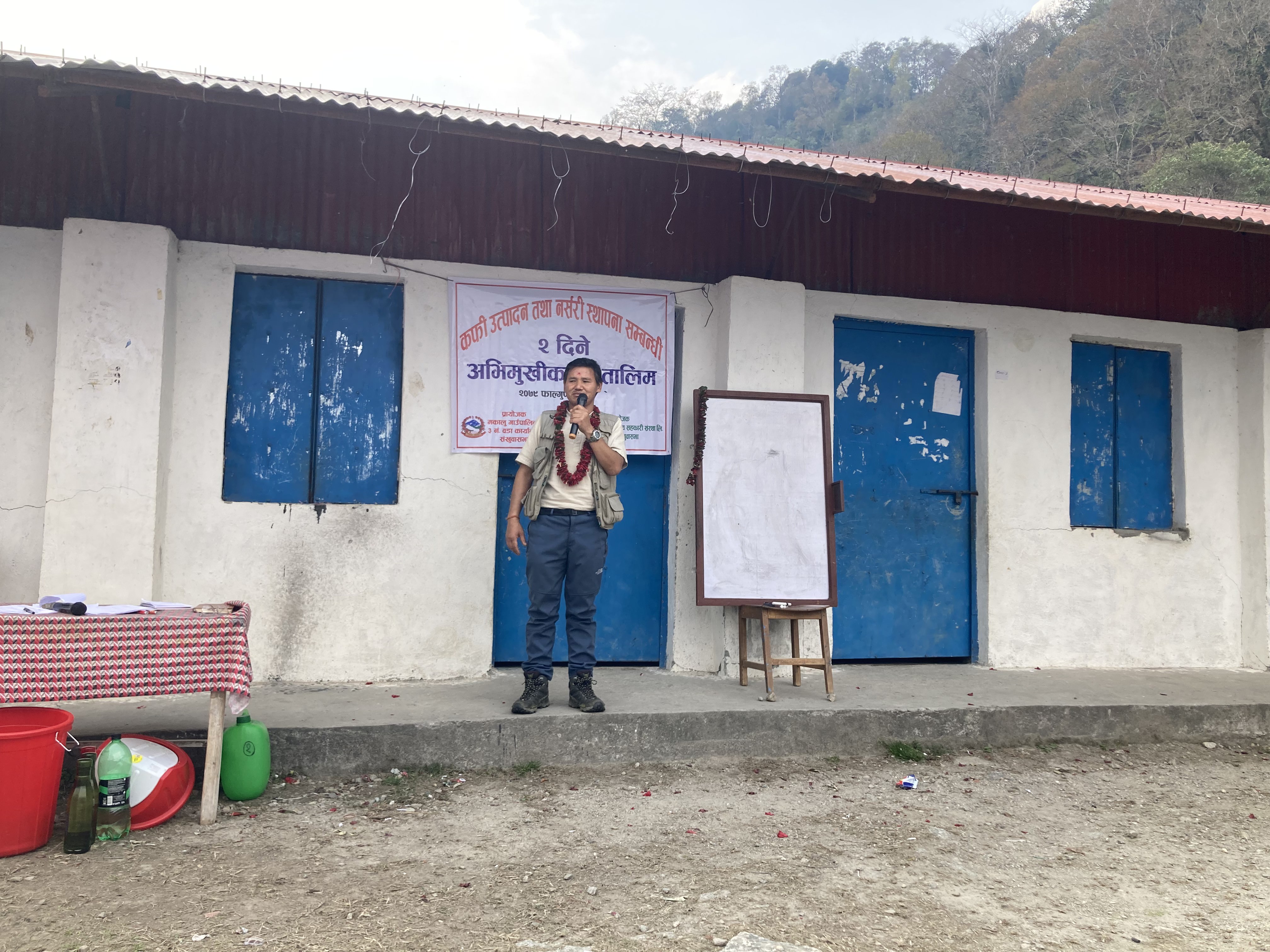
It was only five months ago that Sherpa and Chun Bahadur Rai, an agricultural officer based in Bhaktapur and a local, introduced the coffee plant to farmers from Simma and other neighbouring villages.
Locals were enthusiastic about the cash crop, and Makalu Ward 3 officer Badri Bahadur Rai convinced them that a coffee farm can support local incomes even as the productivity of cardamom drops.
Cardamom has been one of the highest income sources for residents in the Sankhuwasabha district for over two decades. But after 25 lucrative years, the
and suffering from fungal and pest diseases. Nepal’s cardamom production has declined by an estimated 20% since 2021, and export is down by 30%.Simma resident Karna Bahadur Gurung was earning Rs100,000 for every 40kg of cardamom he sold until recently. Farmers now get only one-fourth of that amount.
“Few people still have cardamom, but I see the fields are all dying,” notes Gurung. “It was unreal for everybody to get so much money from cardamom, nothing else can pay us that much.”
Cardamom crops also reduce the fertility of the soil, and it can take decades for it to be viable again. Still, Gurung hopes to plant cardamom again once the soil has recovered.
While the profit has significantly decreased, cardamom remains the largest income source for many in this region below Makalu, the world’s fifth highest mountain. The hope is that coffee can remedy the income gap caused by the decline of cardamom.
The global organic coffee market is expected to continue to grow rapidly and reach an estimated $20-30 billion by 2030. Nepal has been slow to adopt coffee compared to other countries, but domestic and international demand for organic coffee has risen.