
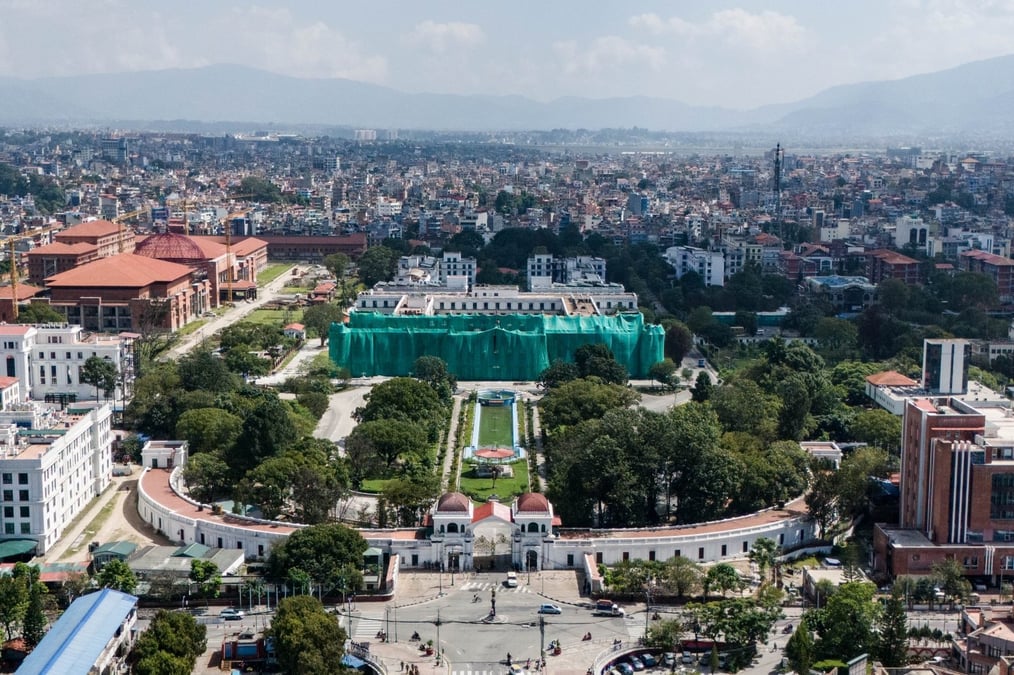
The Constitution Amendment Task Force headed by Prime Minister Balendra Shah’s chief adviser Asim Shah is supposed to submit its report next week after months-long consultations with former PMs and presidents, legal experts and civil society.
Constitutions are occasionally amended in democracies so the statute keeps up with the times. But if what the ruling RSP has laid out is anything to go by, it wants a fundamental overhaul. It has been talking about a directly elected executive head, dismantling provincial assemblies and perhaps federalism itself, debated holding elections through proportional representation and a partyless Upper House.
It has been nearly 11 years since the Constitution was promulgated. It has ensured inclusion of disenfranchised groups into government, bureaucracy, and the legislature. Federalism has not led to genuine devolution, but this is not due to inherent shortcomings in the Constitution, rather flaws in its enactment by elected politicians bending the rules (Editorial, page 2).
Whatever the Task Force proposes, passing the amendments will require a two-thirds majority in the Upper House, where the RSP has no representation. The older parties are unlikely to agree to radical changes. Even if the RSP sweeps local and provincial elections next year, it will take at least three years for the RSP to have the numbers in the Upper House to pass the amendments.
Provincial Assemblies
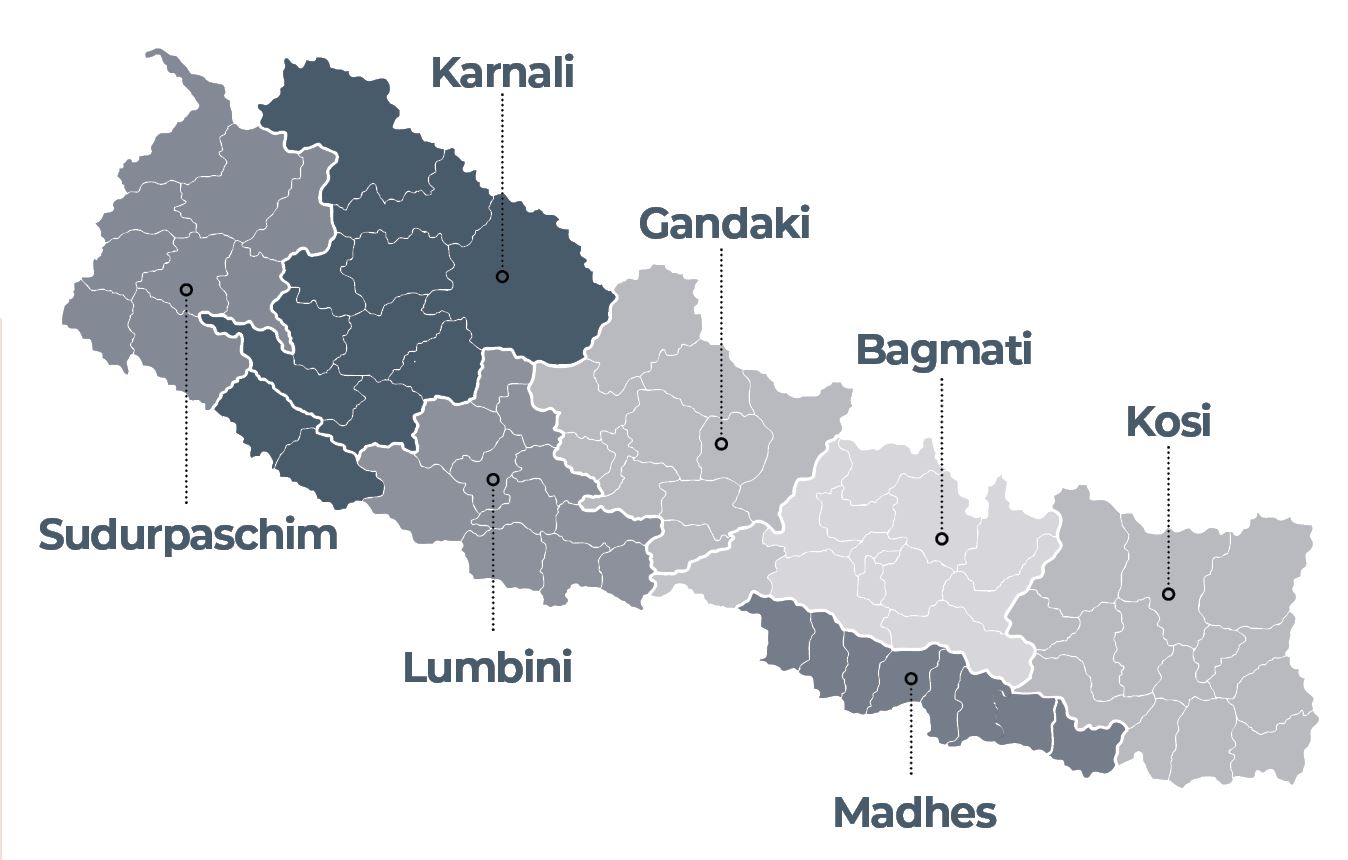
After intense contentious debate, Nepal was divided into 7 provinces, which for years had only numbers because no one could agree on their names.
The RSP has been ambiguous about federalism ever since its formation in 2022, and now wants to remove or restructure provincial assemblies because it deems them expensive and ineffective. Provincial assemblies also serve as proxies of political parties in Kathmandu.
Federalism was the main agenda of the Maoist armed struggle from 1996-2006. In 2015, it also tried to address the demand for autonomy from the Madhes. Diluting federalism would re-centralise power in Kathmandu and reverse the limited autonomy that provinces have gained. The problem is not that federalism is too expensive but that provnices were never given the authority and resources to govern effectively.
Directly Elected Executive Head
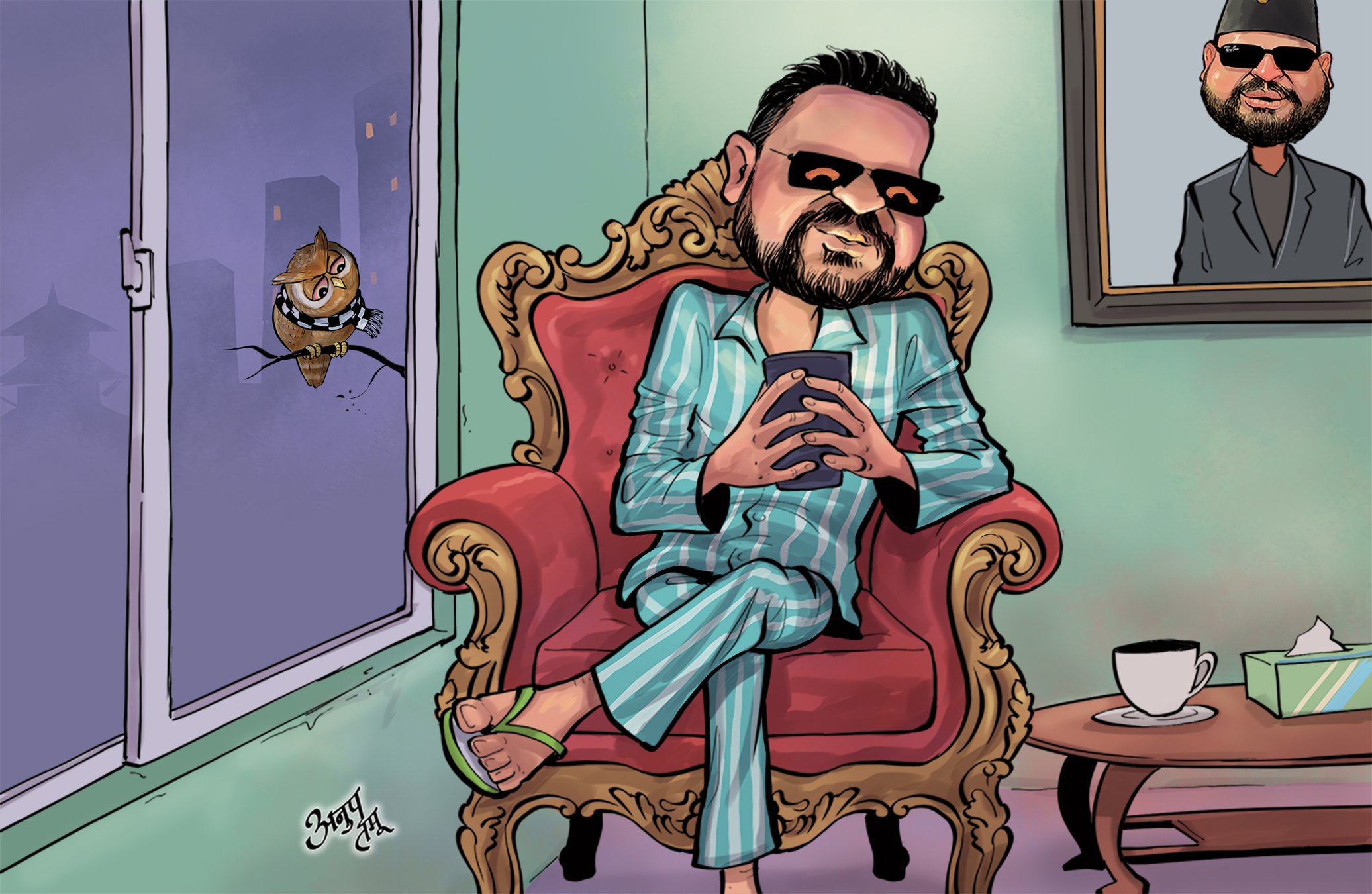
The first general convention of the RSP last month endorsed the demand to have directly-elected head of government, saying that would ensure more political stability by making the prime minister (or president) directly answerable to the people.
Critics say that in the past 20 years, even prime ministers who were not directly elected have behaved as if they had. Prime Minister Shah’s party has a huge mandate and is already effectively directly elected. They are concerned that without checks and balances a directly elected PM could push the country towards authoritarianism, and even the past 100 days there are already indications of that.
Electoral Reform
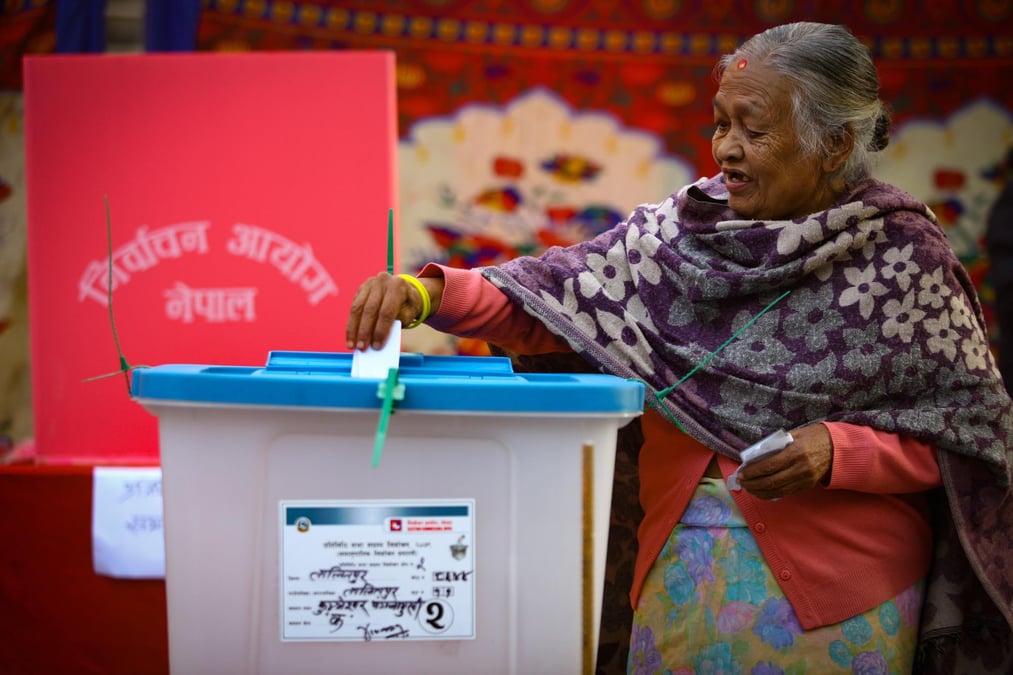
Most parties want electoral reforms, but the devil is in the details. The last UML-NC coalition that was overthrown by the youth-led movement was working on a bill to remove proportional representation from the ballot. The RSP wants local elections based on proportional representation where citizens vote for parties and not candidates. This and a partyless Upper House would be a radical change from Nepal’s Westminster model of parliamentary democracy.
Another proposal would ensure voting rights for overseas Nepalis, dual citizenship and the right to recall and the provision of none of the above in ballots. Dual citizenship for non-resident Nepalis are already in place, and just need to be implemented. Voting by mail will need much more work.
Meritocracy

The RSP is populated by technocrats, and has always maintained that it will appoint those with merit to official positions. It has removed 1,500 political appointed civil servants in a mass sacking, and says it wants a clean and mean result-oriented government. There have been some untainted officials appointed to head universities, CAAN and the Election Commission and the government is vetting applications for ambassadorships.
But in the process, some efficient bureaucrats with integrity and experience have been let go while there have been many appointments of RSP yes men. Prime Minister Shah himself has a kitchen cabinet with virtually no experience in governance – and it shows. The PM has also created posts for 57 secretary-ran advisers in all ministries, which to many looking like a parallel government.