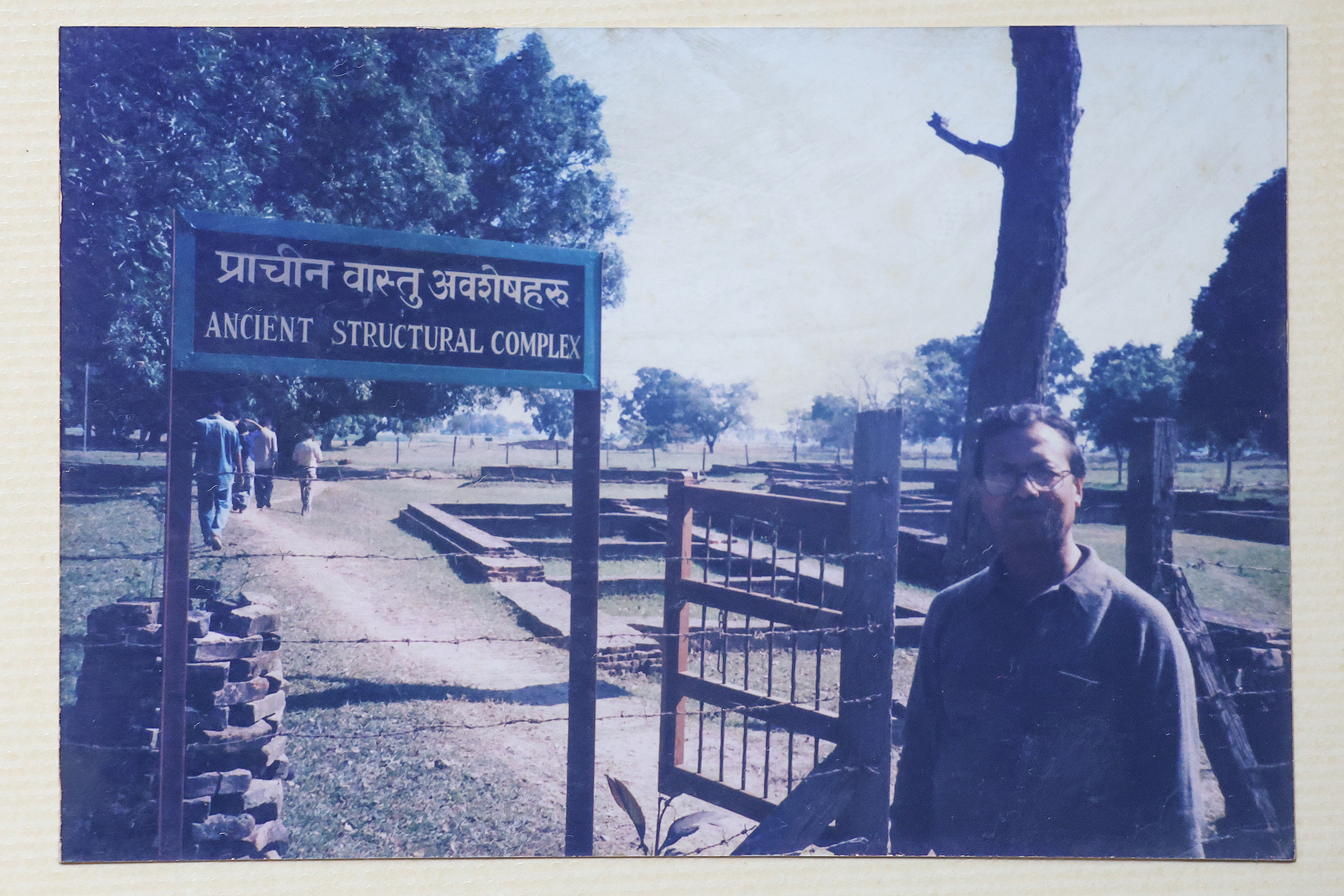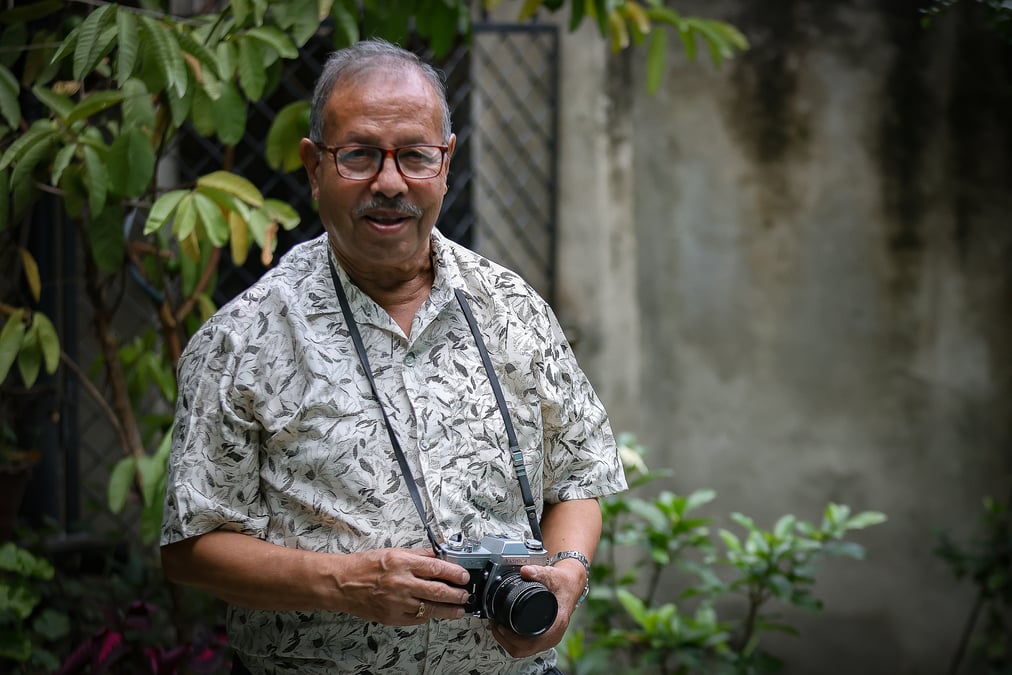
When Balaram Chitrakar was only 10, he started helping his father in a photo studio in inner city Kathmandu to develop photos in darkroom. By age 12, Chitrakar was already a bonafide photographer.
By the time he finished high school in 1959, his father had handed him the keys to the studio. He attended Trichandra College during the day and developed film by night.
“Perhaps because photography had become my passion it did not matter that I worked all night,” says Chitrakar, now 82.
In 1967, as he finished his BSc exam Chitrakar joined the Department of Archeology’s Bir Library. But during the first few months, all he was made to do was keep written records of the documents.
He realised that library users, mostly foreign researchers, had access to original texts and documents of historical importance, as a result of which they had become torn and damaged.
So Chitrakar proposed to the Director of the Archeology Department to make duplicate copies of documents so the originals were preserved. The department accepted it and set aside Rs800 for him to buy a camera.
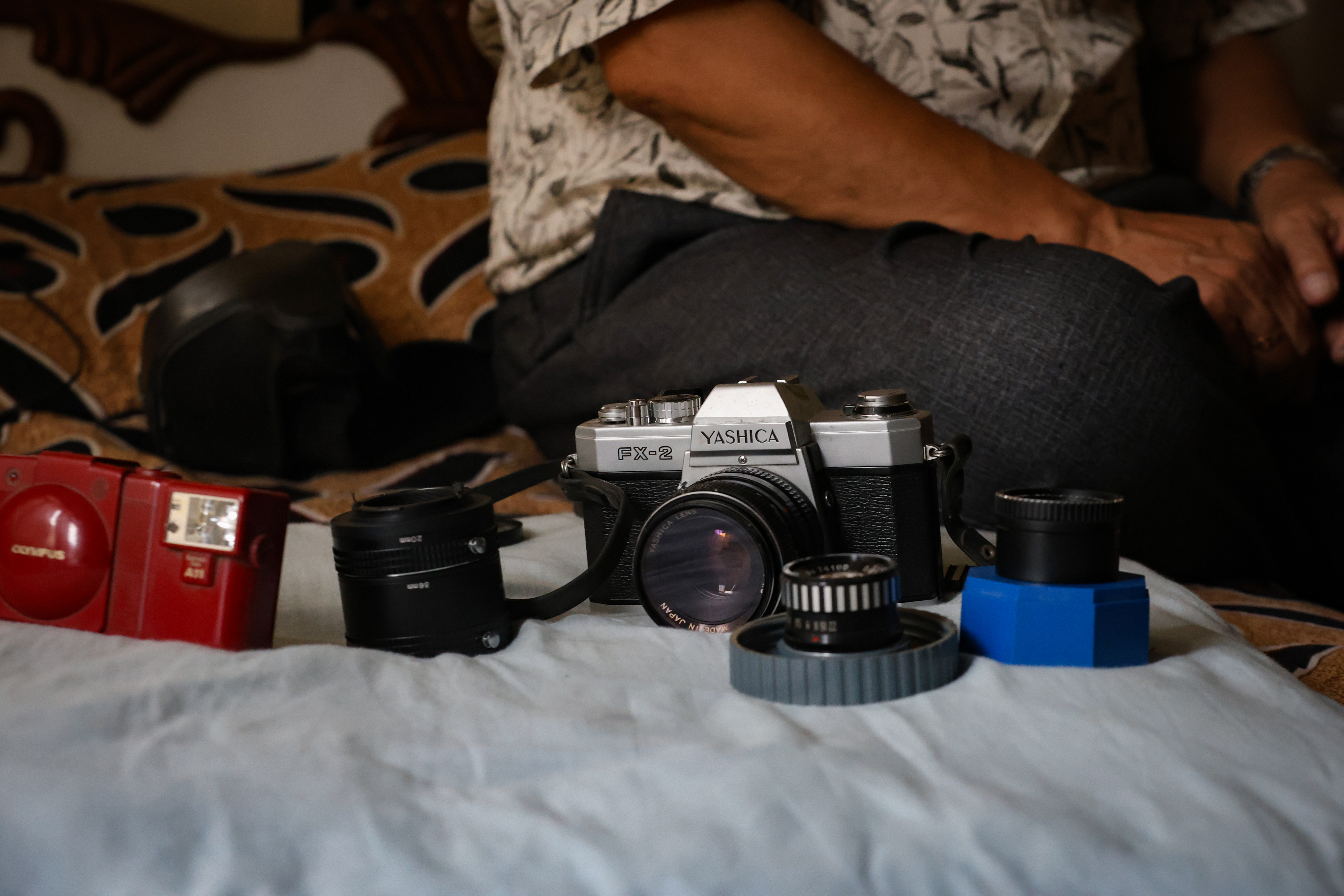
Chitrakar then began to make photocopies of documents, the first time this was done. Impressed with his work, the Department of Archaeology sent him to India to be trained in microfilming.
“Microfilms had not been introduced in Nepal at the time, so I used my curiosity and made an effort during training to figure out how the practice could be brought into application back home,” Chitrakar recalls.
When he returned in 1969, the Bir Library was incorporated into the Department of Archaeology’s National Archives. The Nepal government had also agreed with their German counterparts to make microfilms of Nepal’s archival documents, one copy of which would be with Nepal and the other sent to Germany.
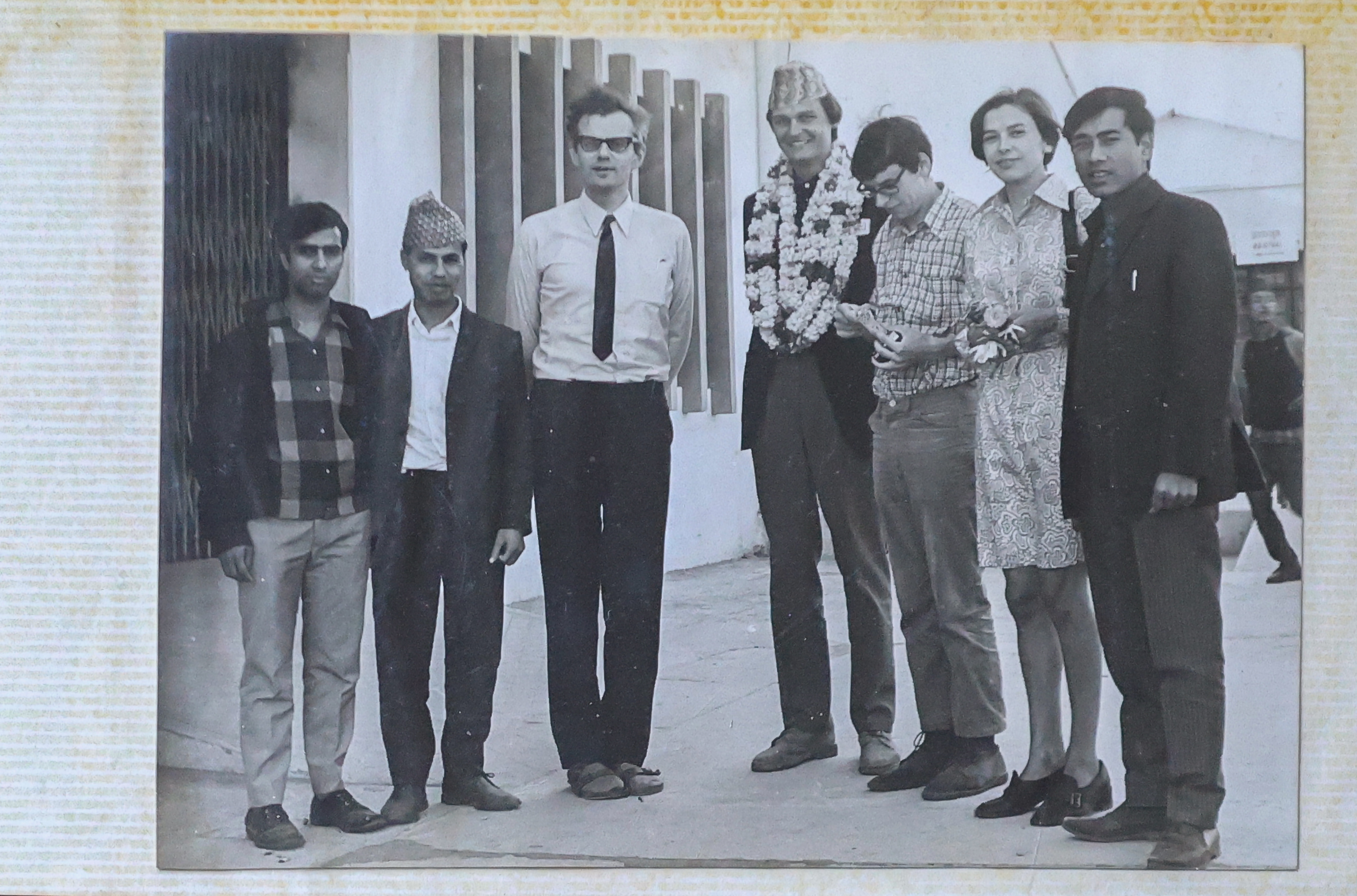
German state-of-the-art equipment, including cameras and dark rooms were used to microfilm 29,000 documents during the first phase of the five-year project. The team worked every day for five years, microfilming many old books and paintings that Patan and Bhaktapur wanted preserved.