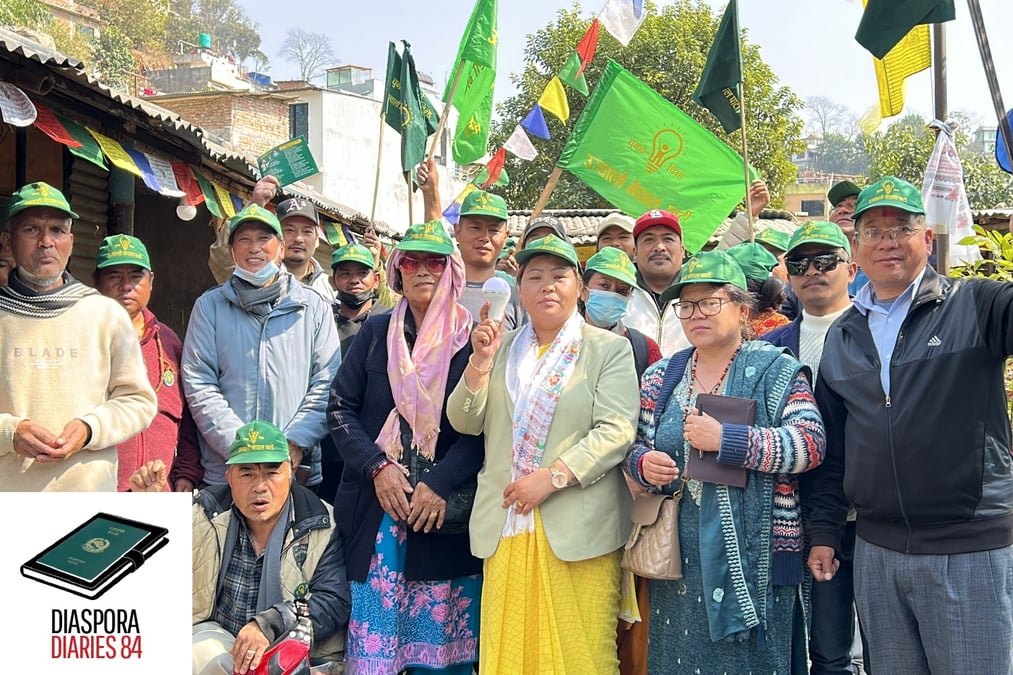
This is the 84th episode of Diaspora Diaries, a Nepali Times series in collaboration with Migration Lab providing a platform to share experiences of living, working and studying abroad.
Growing up, my parents encouraged me to prioritise studies. As the youngest, I always had an inner desire to be independent.
My job at a travel agency in Kathmandu did not inspire me much. I wanted to strike off on my own but did not have money, and was reluctant to ask my parents because then they might have wanted to marry me off.
So without telling them, I started Korean language lessons. What I had read and heard about Korea appealed to me because it was safe for women, they were treated respectfully and protected by strong laws. I wanted to temporarily migrate with the sole purpose of raising enough capital to start my own business one day.
I made my passport without telling my parents. It was a hassle because they needed the consent of guardians since girls were at risk of being trafficked. I convinced them I was able to stand up for myself.
I passed the Korean exam, and only then told my parents. I was in the first cohort under the Korea G2G Employment Permit System (EPS). The work there was not difficult: I trimmed, cleaned, sorted imported flower bulbs. My monthly earnings were Rs60,000 with overtime.
I got engaged to my friend with 200 guests in attendance at a Lama ceremony. We had gone as friends but realised there that we were meant for each other. Later, when we returned to Nepal, we got married in a traditional ceremony.
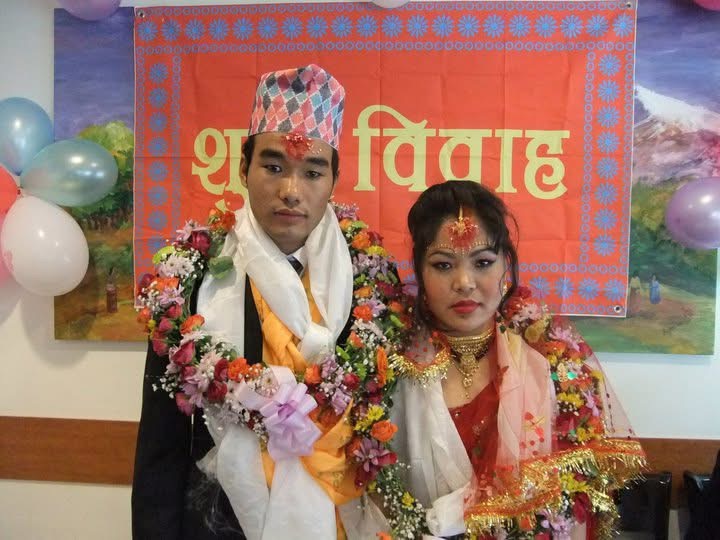
I stayed on in Nepal after my wedding while my husband re-migrated. We have two children, and when the younger one turned two, I was ready to go back to work. This time, as an entrepreneur.
I bought the rights to an outlet of the Burger House and Crunchy Fried Chicken franchise which was neither too posh nor too shabby, reasonably priced, hygienic and with a cosy ambience.
The outlet did well, and the lessons I picked up in Korea helped -- it taught me to value every second and be disciplined. I now transfer these lessons to my trainees. As a café entrepreneur no work is too small. I clean, wash dishes, make coffee, train, and run the cash register. I do it all. I have learnt the value of work.
I was once contacted by the Korean Embassy. They wanted to understand what returnees in Nepal are up to. They put our stories in a book. The K-Hami project team encouraged me to share my story and inspire other Korea returnees, especially women.
We created the DidiBahini network for women returnees, which we have recently registered as Sangi Nepal. There is a shared journey that binds us returnees. We know the struggle overseas. We value hard-earned money that comes with immense sacrifices, and we have learnt that hard work and dedication pays.
As a restaurant entrepreneur, I often get calls from youth asking for jobs. They are under 25 and are struggling to juggle work and study. They need skills and jobs, so I started a hospitality training centre to help young people develop job ready skills. I did not think that I would get into politics, even though my grandfather was once a minister. As an entrepreneur, I can be everything the situation demands: barista, cashier, trainer, cleaner, dishwasher. And that is what politicians should also be. It is about more than power, it is a service. You have to experience hunger to solve hunger, empathise with people and their struggles.
I had never seen myself as a politician, but I know that I understand people. When someone is hurting, it hurts me. People had started noticing, and I was invited to join various political parties.