This is the 54th edition of Diaspora Diaries, a regular column about migration in Nepali Times.
Kumar BK
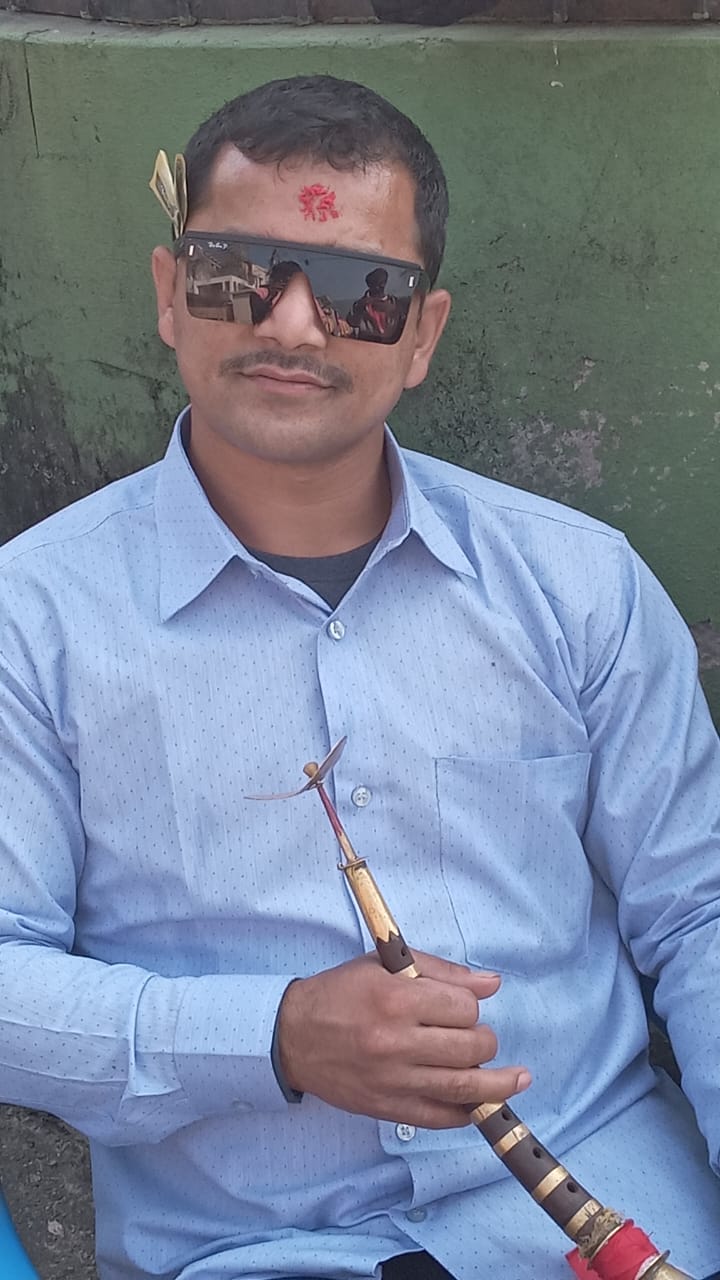
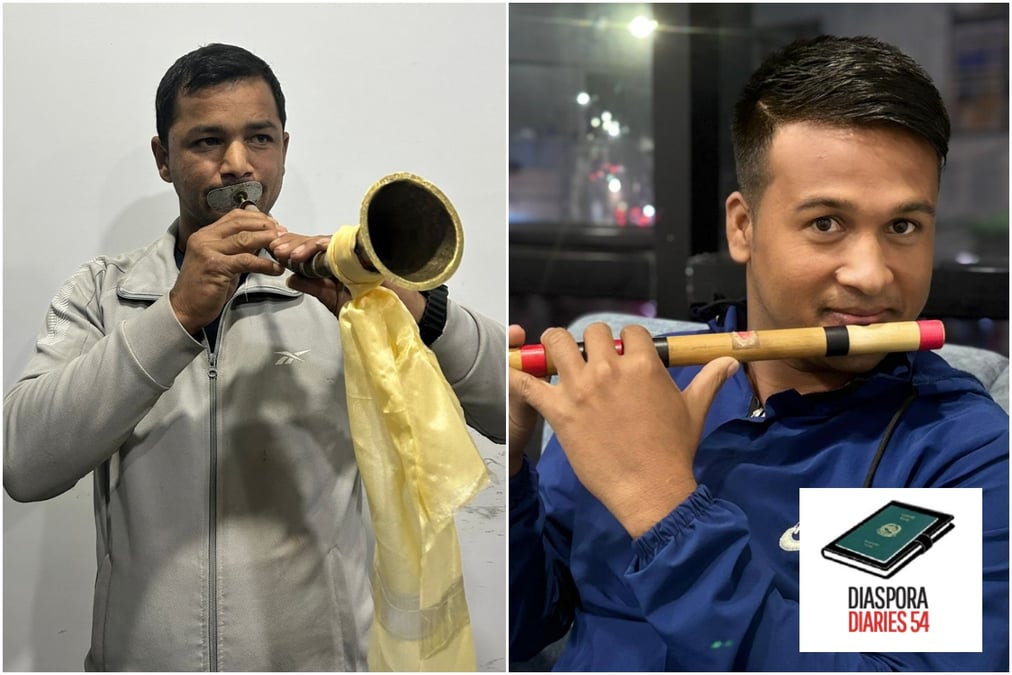
I have enjoyed playing the flute since I was a young boy. I used to play it in the forest while tending to my cattle or collecting firewood near my village in Khotang. But I am a self-taught musician, I have never played professionally.
I know I am not as good as other professional flute players like those I often watch on YouTube. Reaching that skill level requires professional training. It took me a lot of practice to reach my present level. My learning was interrupted because of going overseas.
Growing up, my father was always abroad: first in Malaysia and then Qatar. I stayed with my maternal uncle, and childhood was a constant struggle. I had to help my grandparents with the family business, so I only got to attend school thrice a week. Even then, I somehow passed Grade 12.
My father returned for good, and in 2014 it was my turn to go and work in Malaysia. I did not manage to save much because of household expenses. My brother has health problems, and a lot of my savings went for his treatment.
After three years in Malaysia, I went to Dubai in 2020. Because of a bad contract and Covid-19, things did not work out as I anticipated. During the lockdown I spent a few months in my room without work or pay. Eventually I did get a good job, but after two years my contract was not renewed because of slow business.
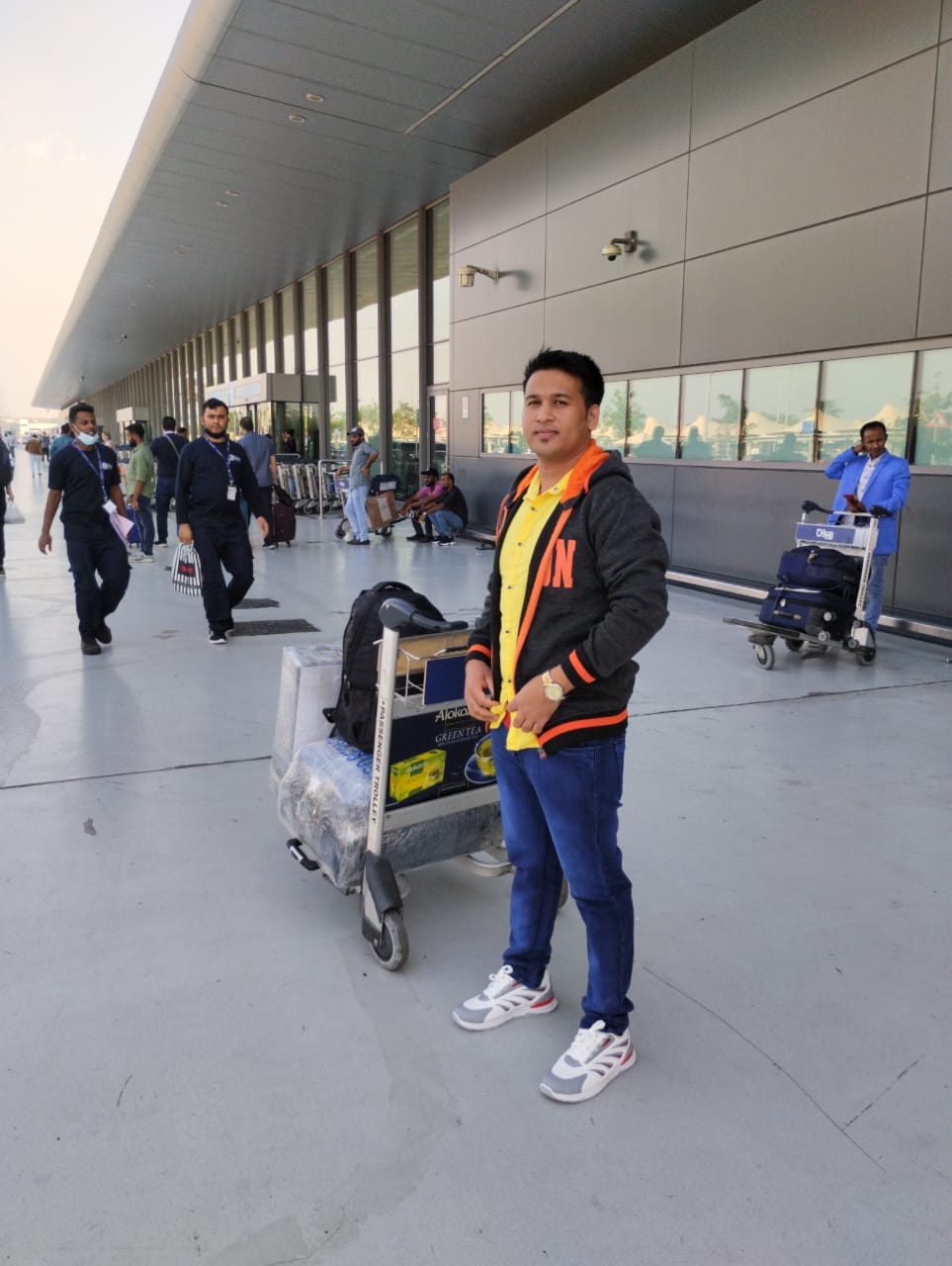
I came home last year and am now headed to Qatar. Let’s see how things go this time. When my father was away, he used to write home once every few months. We received news of his well-being with much relief. Times have changed now.
With my father sending money, we were able to afford household expenses. Before my father left, we lived in a bamboo shed with a small room, but now we have a house and land. He lifted us to a state where we no longer have to worry about affording food or a roof on our heads. Other hardships remain.
As a son of a migrant, there was always the expectation that he would bring us a mobile phone. It is only later after working overseas that I realised it is not so easy. My overseas experience did not lead to much progress. We had many unanticipated expenses that took precedence: someone falling ill, someone falling down and needing hospital care. Random expenses left few savings.
I have now realised that it is difficult to make progress from migration alone if we do not have other ways to supplement our overseas earnings. If households back home can cover basic expenses like food, overseas earnings can be channeled to more productive investment to uplift the family.
If remittance from one family member is the sole income source, then we migrate just to survive. Migrant workers like me have just one goal: to earn as much as possible in a limited timeframe. I am headed overseas again with the same thought.
Back in my village, I look for a quiet, shaded spot in a nearby forest to play my flute by myself while tending to livestock. I am often away now, but my neighbours in the village say that when they hear the sound of a flute from the forest, they know I am home.
I am taking my flute with me to Qatar. I will practice in my room in my free time. Playing it in my room will give me comfort.