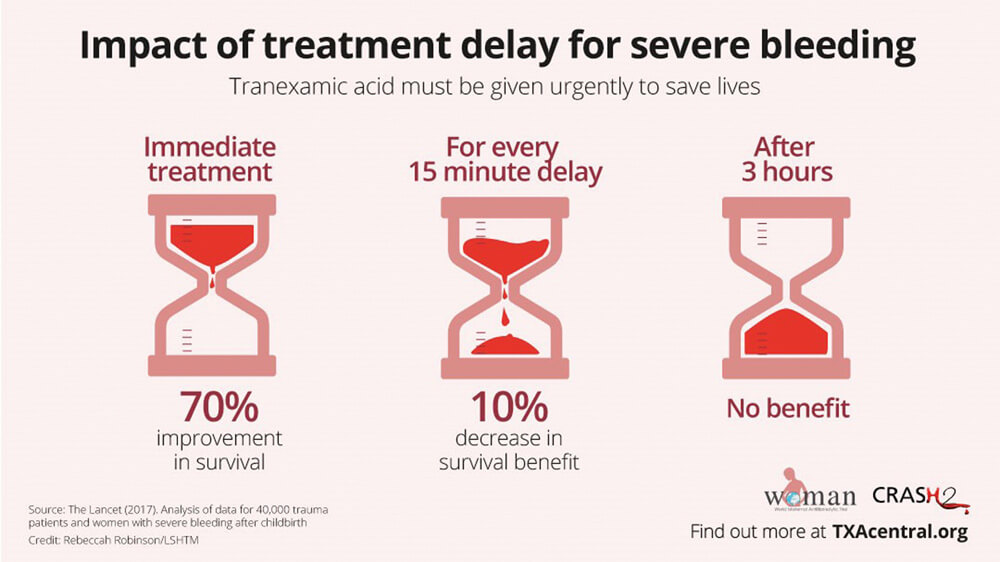
Tranexamic acid (TXA) is a game-changer drug in the treatment of post-partum haemorrhage (PPH), the main cause of death in women immediately after giving birth.
Unsurprisingly, 99 % of these deaths occur in under-developed countries like Nepal because many patients cannot afford treatment. The good news is that TXA is inexpensive, and is widely available in South Asia.
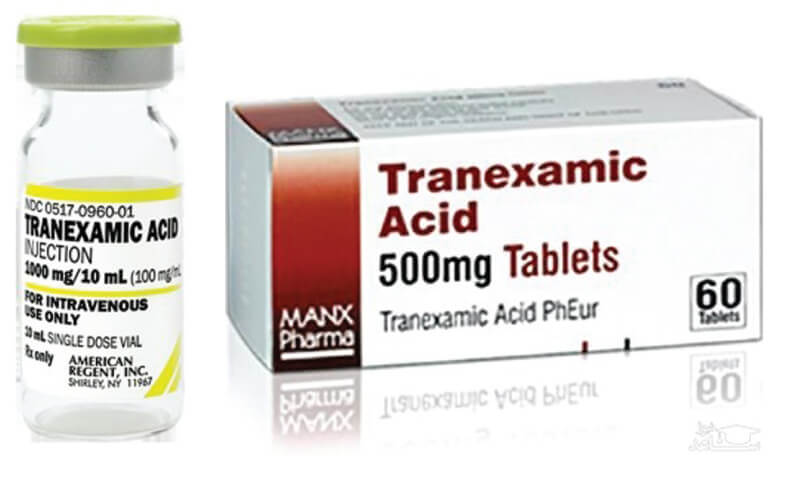
Most doctors, especially those who work in emergency room settings, have certainly heard about this drug and probably use it often. The drug’s scope is clearly not limited to PPH: it is very often used in trauma victims to stem bleeding.
Read also:
No conceivable reason for unwanted pregnancies
Who will save Nepal’s poor pregnant women … a government plan, or God?, Rojita Adhikari
However, many doctors, including those in obstetrics and gynecology, may not know why exactly this well-known and often-used drug has recently shot to prominence in the treatment of PPH.
It all had to do with the WOMAN study. In order to avoid unnecessary bias regarding drug recommendations, Western medicine is generally based on randomised, double-blind, placebo-controlled trials called RCT (randomised controlled trials).
These rigorous methods are applied so that the final results will have as little to do with chance as possible. (In fact this year’s Nobel Prize in economy went to a couple, Banerjee and Duflo,who used the RCT method to arrive at their conclusions on alleviating global poverty.)
For the TXA study, the investigators recruited women aged 16 years and older with a clinical diagnosis of post-partum hemorrhage after vaginal birth or caesarian section from 193 hospitals in 21 countries, including BPKIHS and Birat Hospital in Dharan and Nepal Medical College in Kathmandu.
Read also: Nepal far from hitting contraceptive target, Sewa Bhattarai
Between March, 2010 and April 2016, 20,060 women were randomly assigned by the international panel of study investigators to receive either 1 gram of intravenous TXA or a matching placebo (a look-alike sugar pill) in addition to the usual care that included other drugs.
The results were ground-breaking. When given within three hours after the onset of PPH, one in three maternal deaths were prevented with TXA. The study was published in the medical journal Lancet in May 2017. The World Health Organization (WHO) took note.