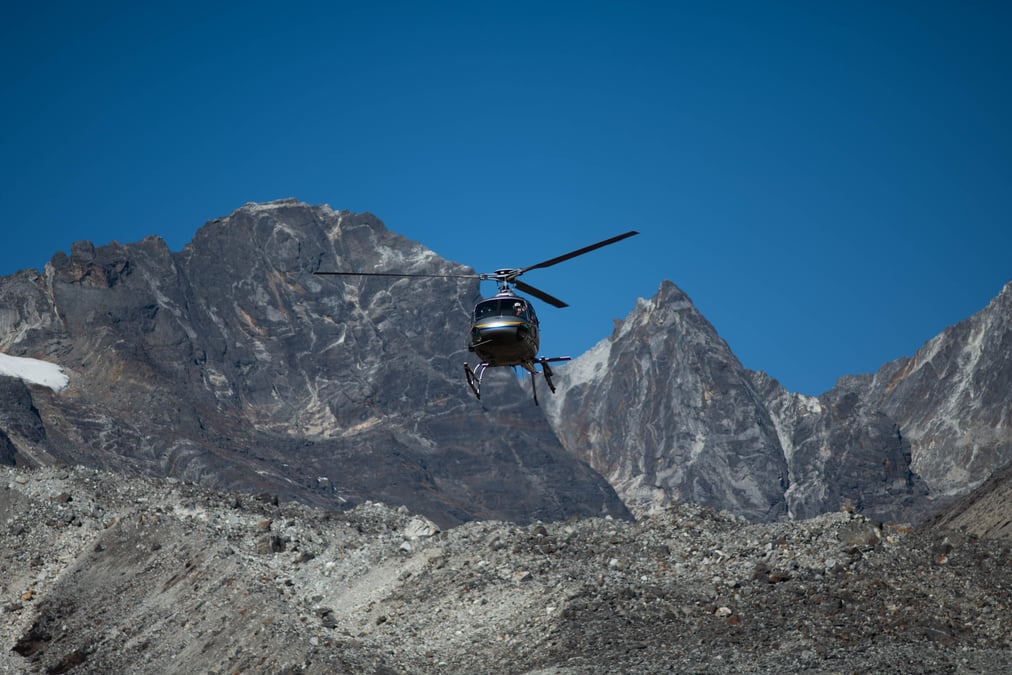
Spring 2023 was the deadliest season on Mt Everest, with 17 climbers dead or missing on the world’s highest mountain. But the trail leading to the base of the mountain also saw record numbers of trekkers and porters falling sick due to altitude sickness.
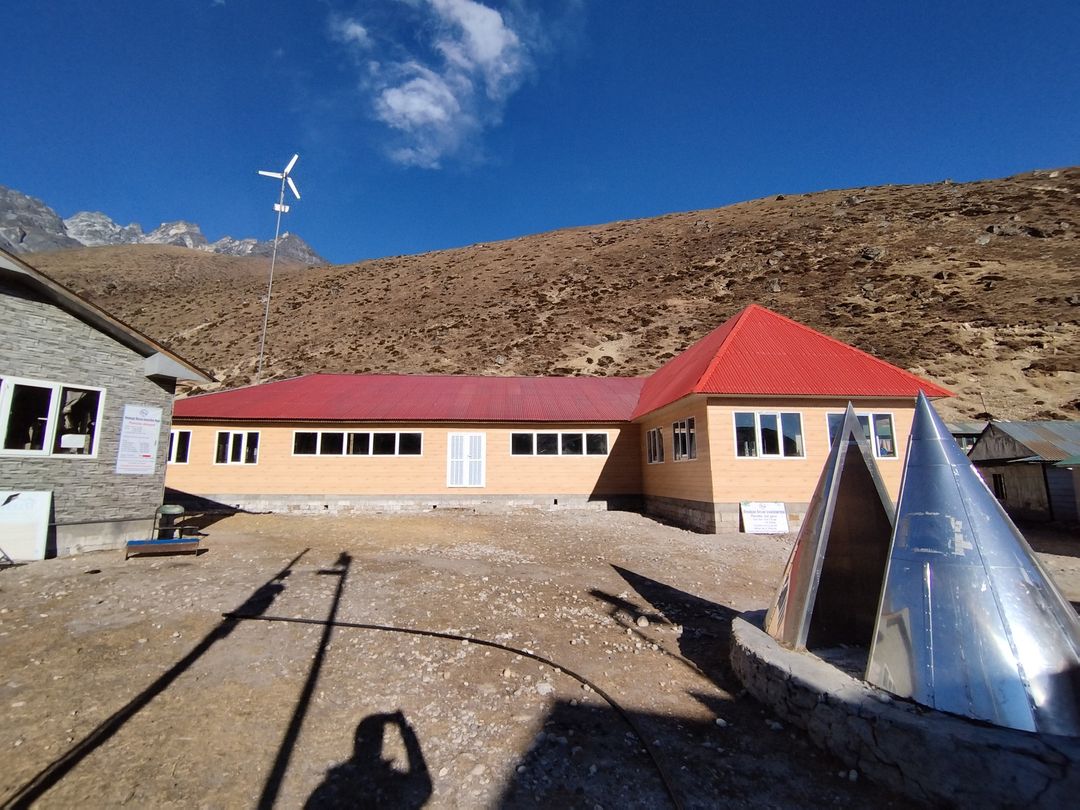
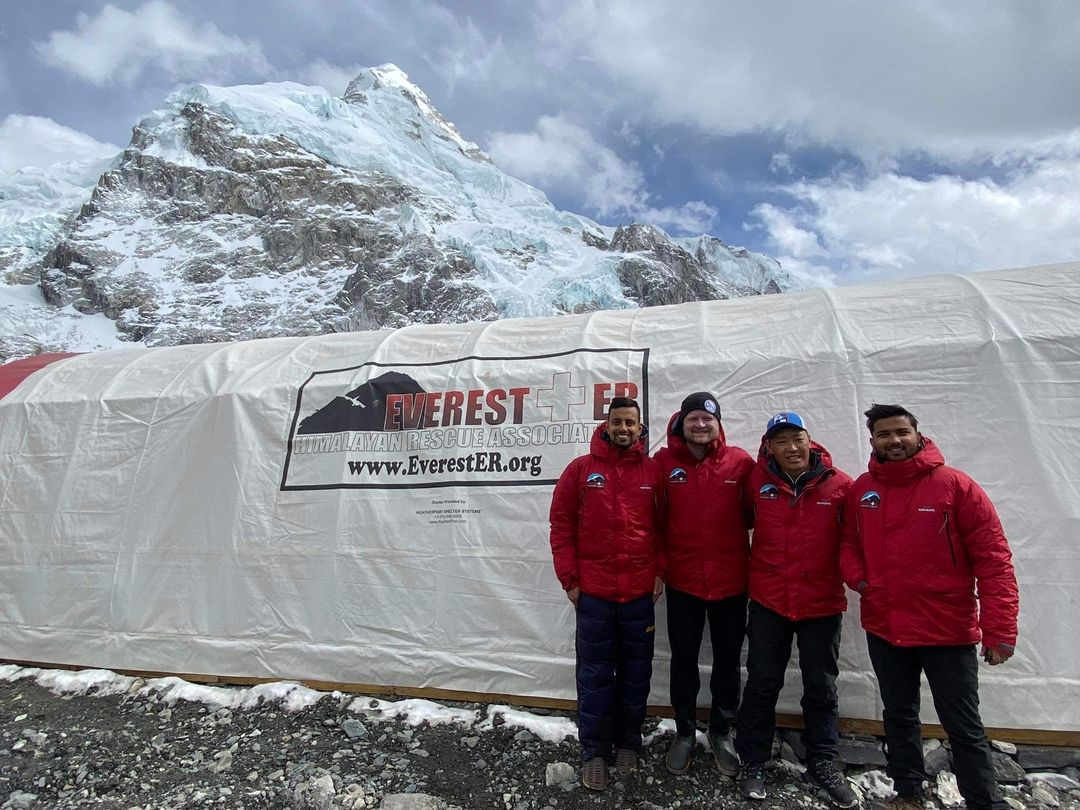
An unexpectedly high number of people had to be treated at the Himalaya Rescue Association (HRA) aid post at Pheriche (4,300m) and at the Everest ER at Base Camp for HAPE (high altitude pulmonary edema).
In an average year, the HRA aid post used to get only about 15 cases of HAPE, but this spring season alone there were an alarming 50 cases with clear-cut clinical diagnosis confirmed by field ultrasound detection of lung fluid.
Only five of the 50 patients were foreign trekkers, the rest were Nepalis and mostly porters. Medical personnel in Pheriche are scratching their heads to figure out the reasons for this high patient load.
One reason is the post-Covid backlog of trekkers and mountaineers as Nepal’s climbing industry saw a surge on the 70th anniversary of the first ascent of Everest by Hillary and Tenzing. Many of the hikers and climbers said they were also drawn to Nepal by a series of adventure films about the Himalaya, including Nims Purja’s 14 Peaks: Nothing is Impossible.
There was also a spurt in Indian trekkers and climbers, and one reason could be the Bollywood movie Uunchai starring Anupam Kher and Ambitabh Bachchan which was shot on location in the Khumbu and Manang last year.
There were 50 companies guiding nearly 500 clients on Mt Everest alone, with more expeditions on Lhotse, Ama Dablam, Nuptse and other peaks. More expeditions meant more guides and support staff. There were nearly 2,500 people in May living for up to three months in the tent city at Everest Base Camp.
There has also been a steady shift to other ethnic groups working as guides and porters in the Himalaya. Instead of Sherpa, who are in all likelihood genetically adapted to high altitude, the Rai, Tamang, even Chetris and Brahmins are more susceptible to high altitude sickness.
HAPE can be life-threatening as the lungs drown in fluid. Unlike acute mountain sickness (AMS), which is relatively benign and common in sojourners even at lower altitudes in the Khumbu HAPE is similar to high altitude cerebral edema (HACE) in which the brain itself becomes water-logged.
The other reason for the dramatic increase in HAPE this season could be that there was a greater disregard (possibly due to lack of awareness) for the most important risk factor for altitude illness, the rate of ascent. Many porters may have spent just one night in Namche Bazar (3,440 m) instead of 2 nights on their ascent to Pheriche and higher.