For those who have never climbed a mountain before, it may be difficult to understand the allure. After all, mountaineering is the furthest thing from easy. Climbing vertically often in appalling weather, while paying expedition expenses, traversing mountains of red tape for permits, while all along risking one’s life is not everyone’s cup of tea. So why do they keep doing it?
Two films that premiered on Netflix this month may provide some of the answers.
Directed by Torquil Jones, 14 peaks: Nothing is Impossible starring Nirmal (NimsDai) Purja, and his climbing partners Mingma David Sherpa, Lakpa Dendi Sherpa, Geljen Sherpa and Gesman Tamang opens with Purja telling viewers to dream big.
“Doesn’t matter where you come from, you can show the world, nothing is impossible,” he says as a drone camera shows him on Ama Dablam's vertical rock face.
The documentary chronicles Purja and his team’s attempt to summit the world’s 14 peaks over 8000m in just seven months. The previous world record was 7 years 310 days, set by South Korean mountaineer Kim Chang-Ho.
“I was told that my project was impossible. So, I decided to name it Project Possible,” Purja tells viewers. This was not just for himself, not just for Nepal, but to show what human beings can do. But a point made over and over again in the film is that Nepali guides and porters who helped western expeditions never got the credit they deserved in the past. “They are ghosts,” he says, and he is out to change that once and for all.
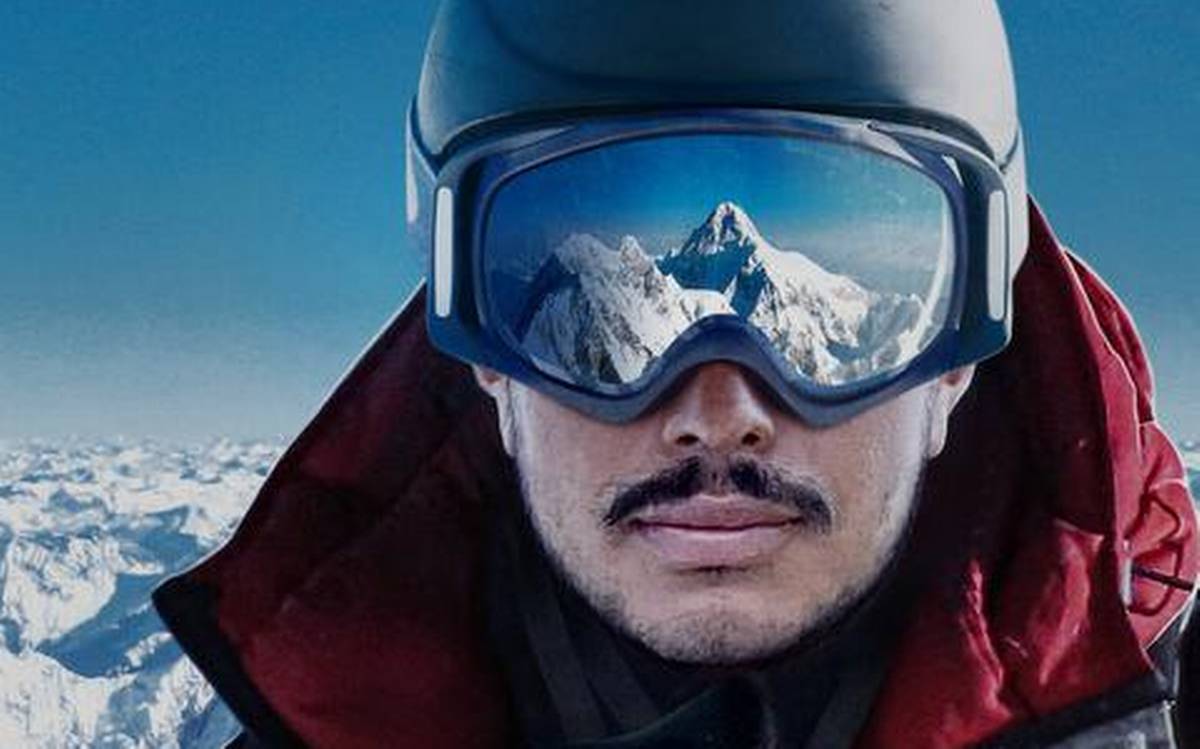
A newcomer to the mountaineering scene who first set foot on the mountains only in 2012. There are obstacles, but in October 2019 after summitting Xixapangma, the last of the 14 peaks, he proves that it is indeed possible.
14 Peaks is a story of teamwork, ambition, determination, perseverance, and patience. But what stands out is the generosity of spirit.
More than once, Purja's team rescue climbers stranded high up in the mountains. In Annapurna, he and his teammates go back up to rescue a climber after an exhausting climb, in Kanchenjunga he helps a climber who has run out of oxygen, and even when he develops HACE (high altitude cerebral edema), he manages to help a climber come down to Camp 4.
“In military I have never left anyone behind I wasn’t gonna do that on the mountains,” he says.
On K2, when the group reaches base camp, the climbers are ready to abandon their expeditions after three deadly avalanches. The Nepalis lighten the mood, dance to Resham Firiri and Purja rallies everyone to give it one more try while he fixes rope to the top.
Purja’s optimism isn’t for everyone. “You are a great boy, and it is lovely propaganda, but you don’t change the mountain,” says one climber during Purja’s motivational speech at base camp.
Like Purja’s book, the documentary has a macho tone, and at times one wishes he would tone it down a bit. The star of the film is Purja’s wife Suchi, who is disarming while explaining his drive, her own fears but also the constant support she provides him.
Purja’s tender side shows in the scenes with his ailing mother, Purna Kumari Purja. Days after being discharged from the hospital, she gets on a helicopter to meet her son after he climbs his 14th eight-thousander. Later, at Kathmandu Airport, Purja tells reporters how a Western climber doing what he did would have got “ten times more publicity”.
At 101 minute documentary has stayed in the Top 5 on Netflix for weeks, and touches on a lot of things: the financial burden of accomplishing such a monumental task, the physical and mental challenges of climbing, personal relationships, philosophical questions on mortality, power of social media in today’s age and navigating the bureaucracy.
The documentary also attempts to address the criticism Purja faced for using bottled oxygen, with many ‘purists’ saying that disqualified his feat. Surprisingly, it is Reinhold Messner who himself climbed the 14 peaks without oxygen, but taking 16 years to do it, who defends Purja: “He was doing it this way otherwise it is not possible in such a short time.”