This week 30 years ago, the Maoists launched their armed struggle from the rugged mountains of Rukum, attacking a police post in Athbiskot on 13 February 1996.
Today, Rukum has been partitioned into East and West, and is an electoral battleground for the 5 March poll between the former Supreme Commander of the Maoist party Pushpa Kamal Dahal (Prachanda) and his erstwhile guerrilla commander Janardan Sharma (Prabhakar).
The Maoist revolution was all about liberating the people of districts like Rukum from poverty, oppression and feudalism. The comrades promised to end inequality, social injustice, and exclusion in an insurgency they called ‘People’s War’.
Today, 20 years after the conflict ended with the loss of 17,000 lives, not much has changed in both parts of Rukum. A motorable road does connect the district to the rest of the country, and it is the route many people have taken to migrate out.
In one village in Rukum West, some young men paid as much as Rs8 million to human traffickers to take them to the United States. Some reached the US, but have been deported back to Nepal.
Dahal has dropped the label ‘Maoist’ from his newly minted Nepali Communist Party and is contesting from Rukum East, while Sharma split from the party and is contesting from Rukum West as a Pragatisheel Loktantrik Party candidate. Newer faces from Rastriya Swatantra Party and Ujyalo Nepal Party are also in the race.
Rukum was affected by the 2023 earthquake that killed 153 people and damaged 10,000 homes in Rukum West and Jajarkot. Many health facilities and schools collapsed, and one of them was Bheri Dovan Secondary School.
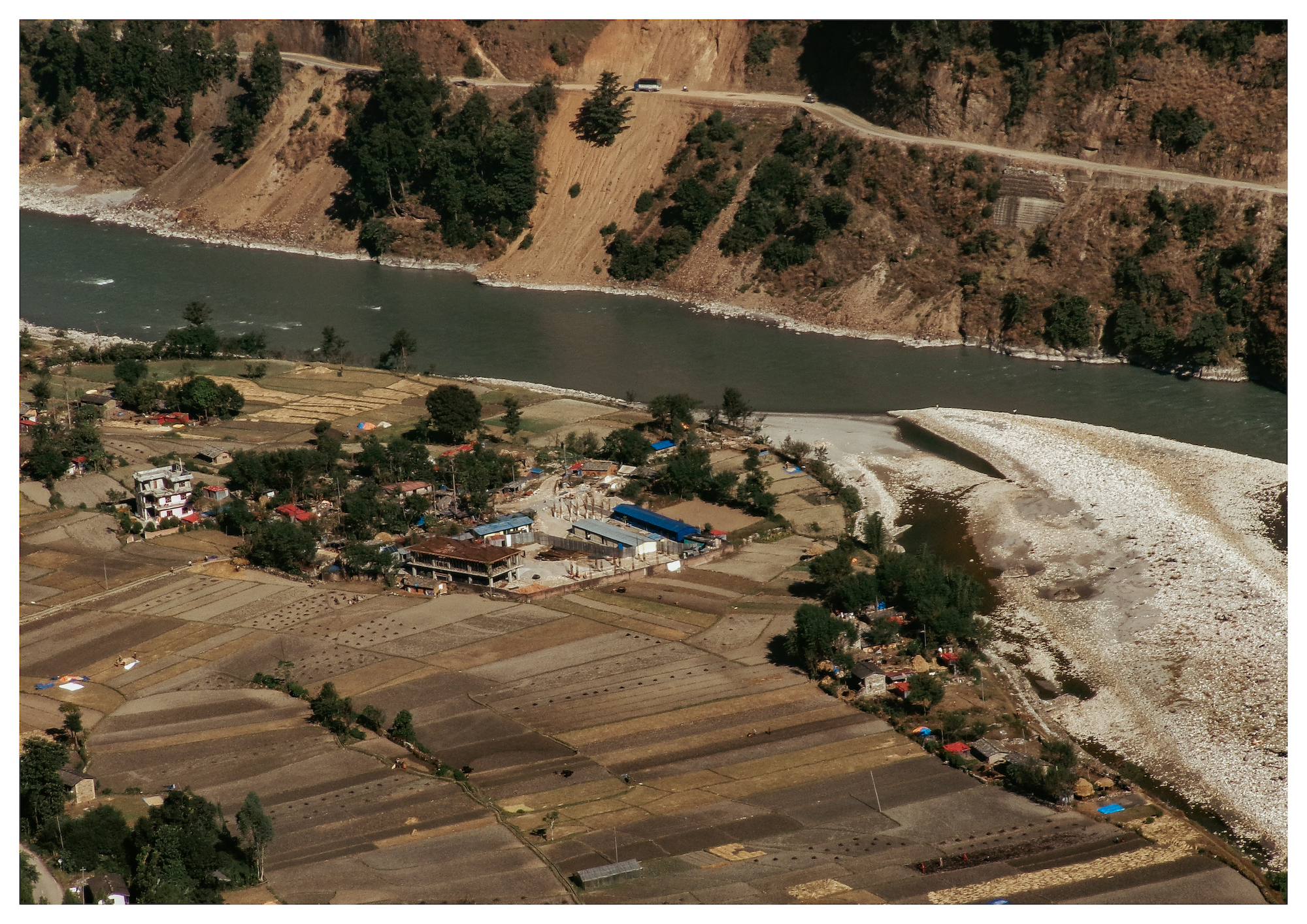
Reconstruction has been slow, but Finland and UNICEF have built a semi-permanent transitional learning centre with a gender segregated sanitation facility.
STORIES IN PICTURES
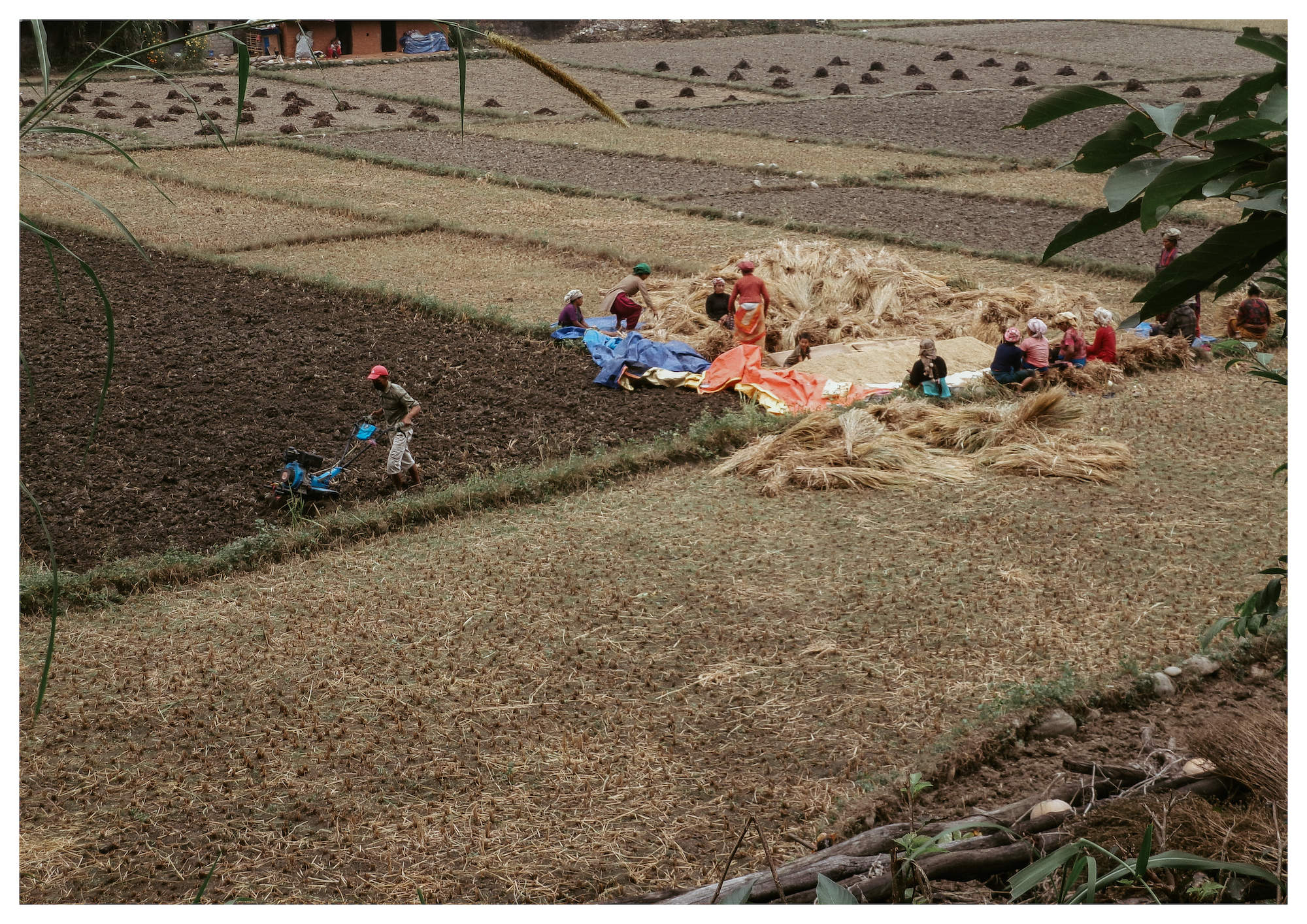
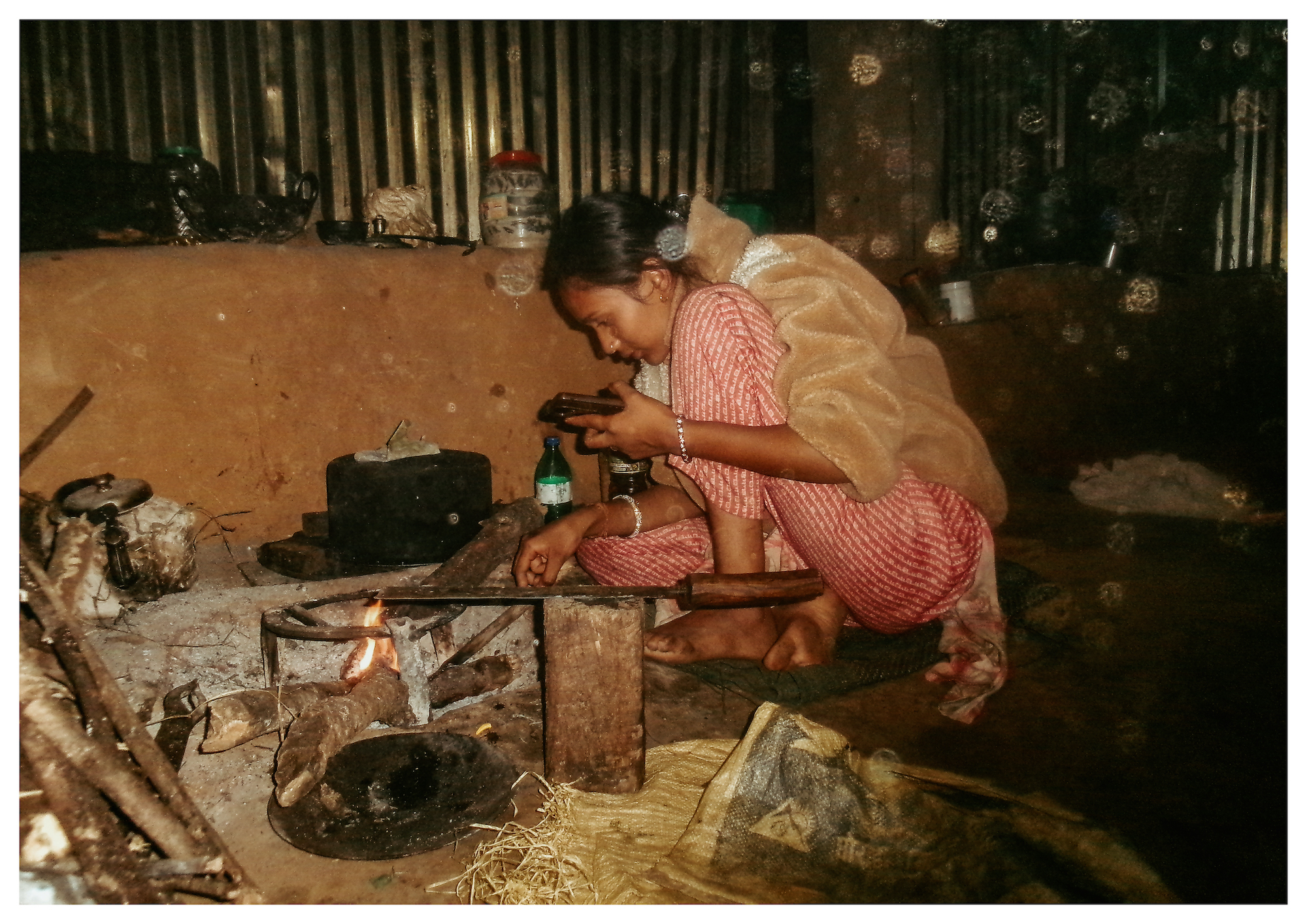
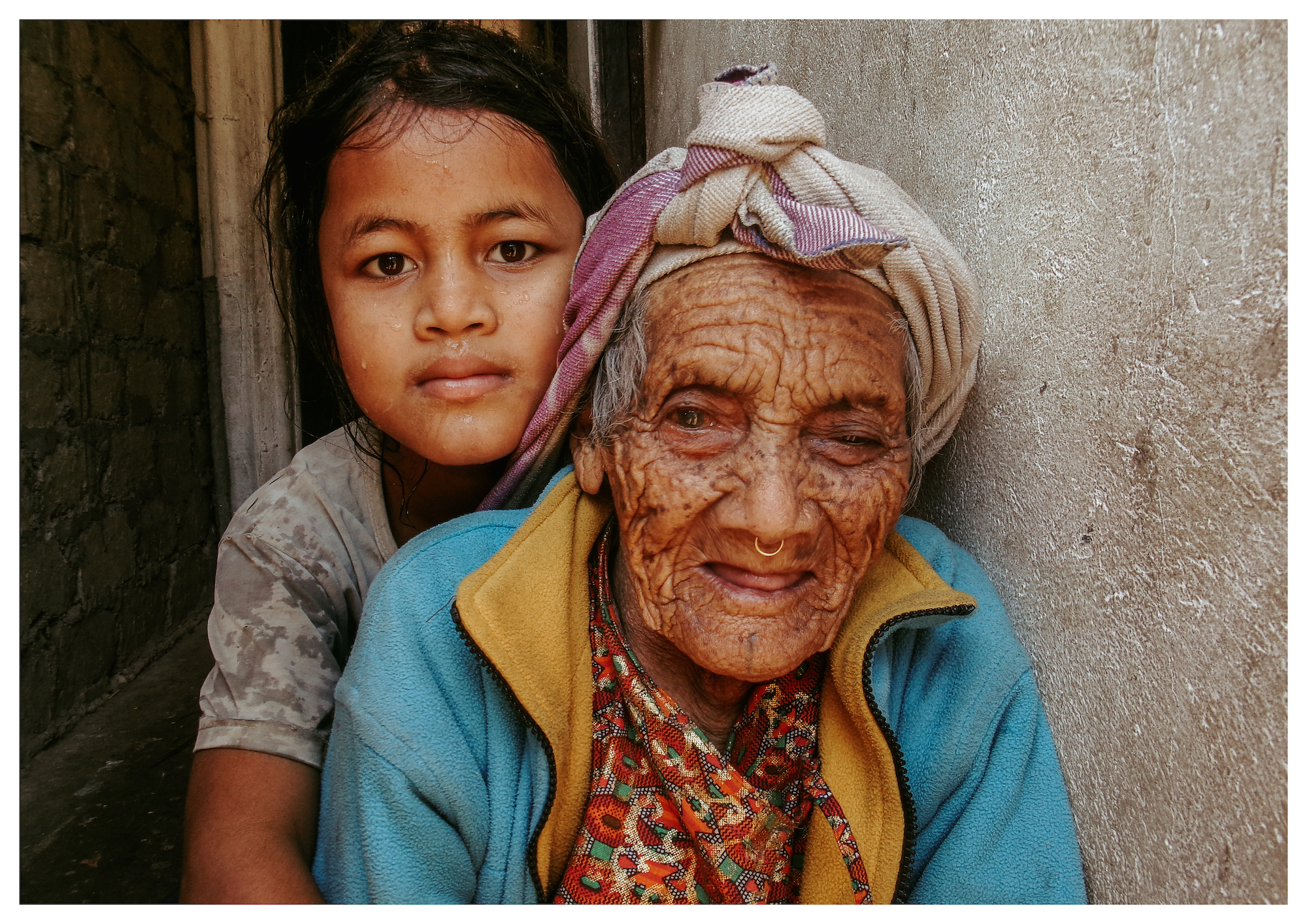
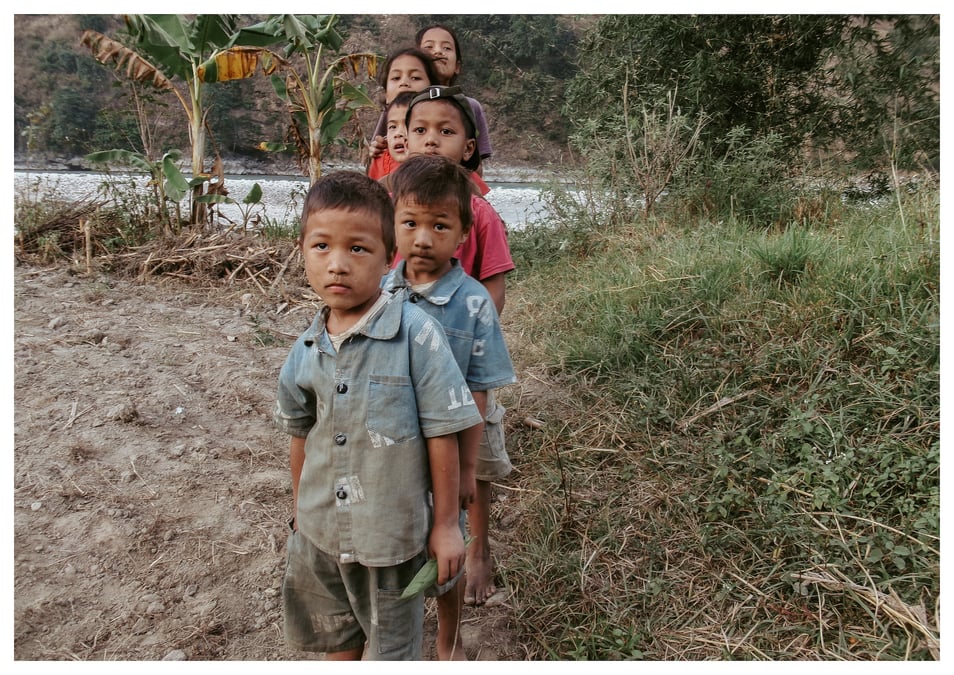
The project gave digital point-and-shoot cameras to 15 students between ages 11-16 who were interested in photography to take pictures of their daily lives. Eight girls and seven boys got a three-day basic training in photography.
“The reason we chose this school was because it was completely destroyed and they have quite a few children from marginalised communities,” says Sabrina Guruacharya of UNICEF. “We wanted to invest in the creative skills of children and provide the space for them to tell their own stories in pictures.”