Music isn’t just a rhythm or melody, it is an emotion that connects. Music is art, it is culture and it is a way of life. Nepali folk instrumental band Kutumba has exemplified this for 22 years, as it now gives back to society.
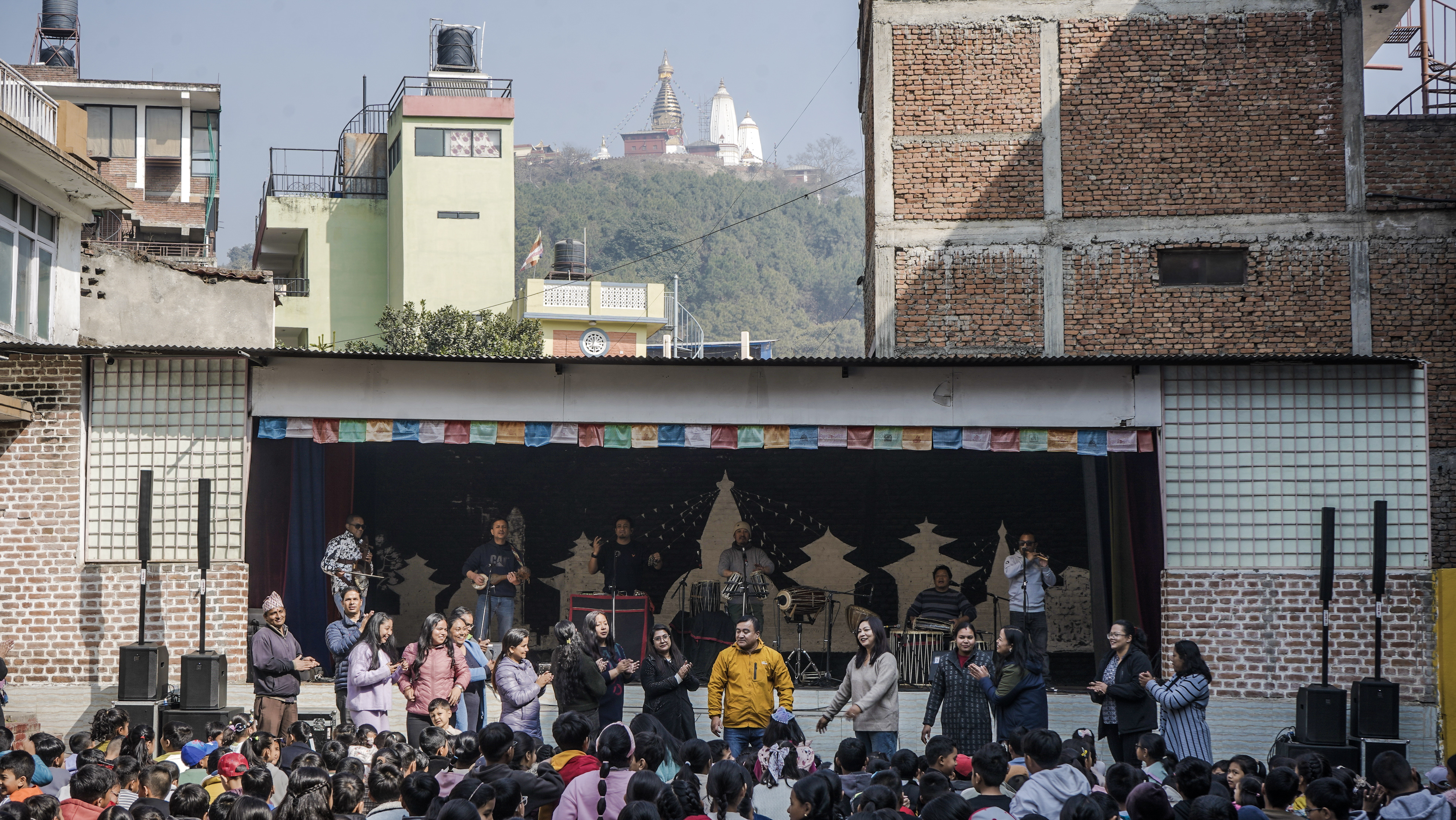
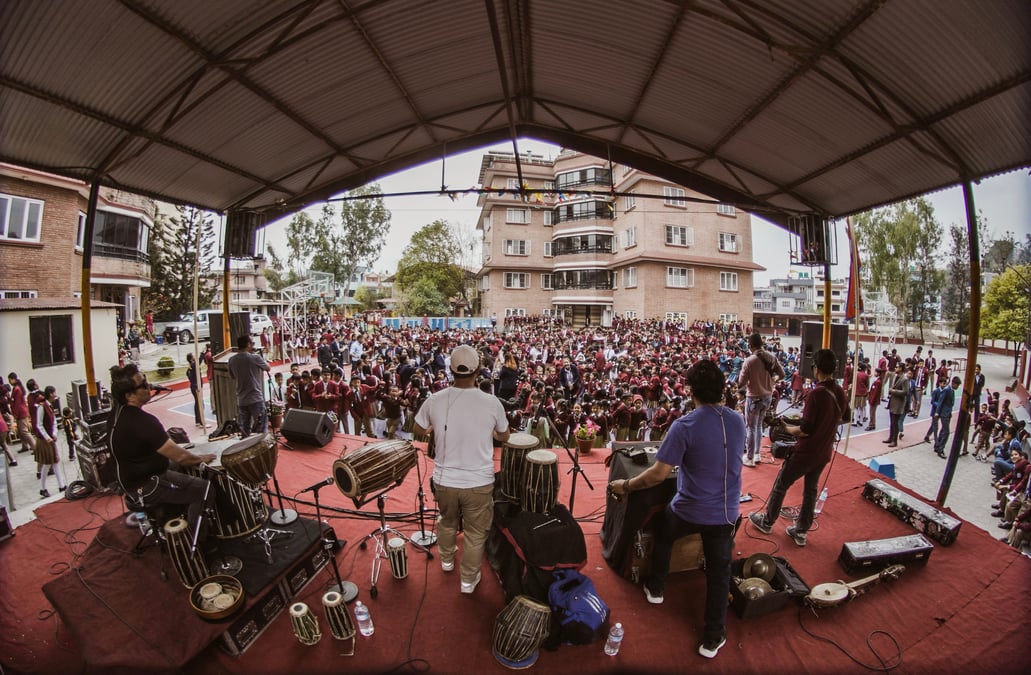
Kutumba first rose to prominence for its use of traditional instruments such as sarangi, tugna and damaha during classical music performances in Nepal and across the world.
Nepal was at the peak of the Maoist war, and Kutumba spread the message of unity through music, and bringing instruments from across the country to one stage.
Tugna is mostly played in the mountains and dholak in the Tarai, Kutumba also integrated dhime and bhusyah played during festivals in Kathmandu Valley.
“We want people to take pride in playing traditional instruments, our journey started with the use of traditional instruments that connected with the audience,” says Pavit Maharjan, one of the six members of the band.
He adds: “The country’s situation further pushed us to continue playing music for the longer run. When the country was divided between mountain and Tarai, we aimed to spread the message that we all are one through our music.”
The rest of the band is made up of Arun Manandhar, Kiran Nepali, Raju Maharjan, Rubin Kumar Shrestha and Siddhartha Maharjan, and is managed by Arun Gurung.
SCHOOL TO SCHOOL
Before long, Kutumba was touring the country and spreading the message of unity, peace and compassion.
During one of the tours in Khokana in southern Lalitpur, band members heard that students at a nearby school write notes on cigarettes and other pieces of paper because they couldn’t afford basic stationery.
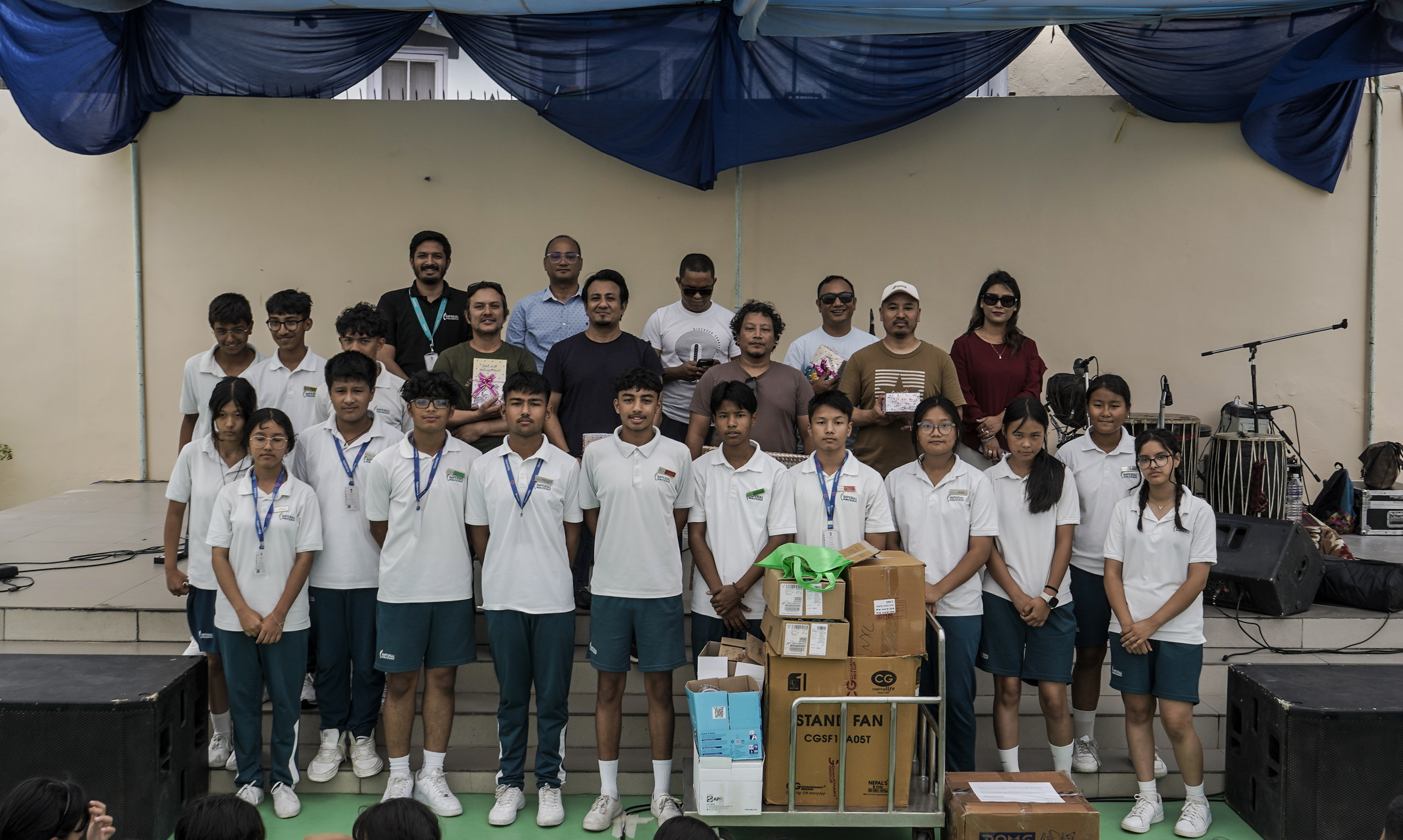
This eventually led to the ‘School-to School’ project. Students from private schools are encouraged to donate notebooks and stationery which is then distributed to schools in remote parts of the country.