Photos by KUNDA DIXIT
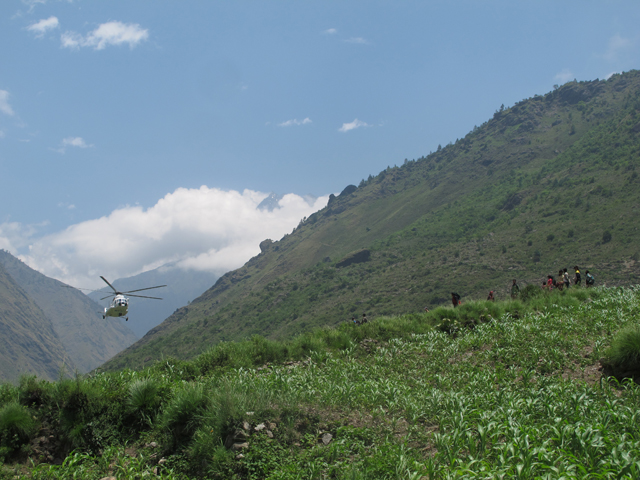
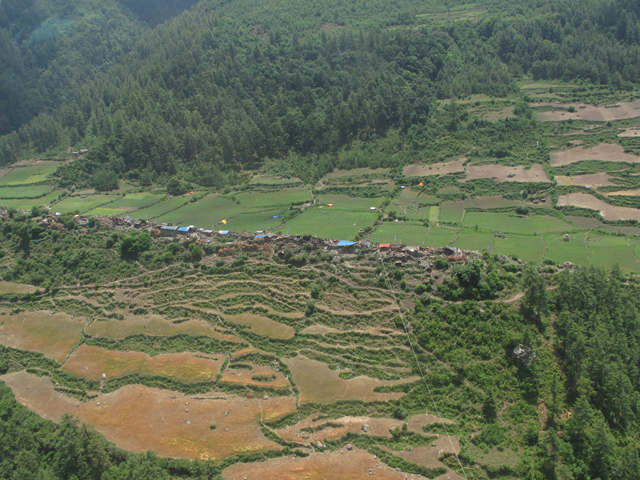
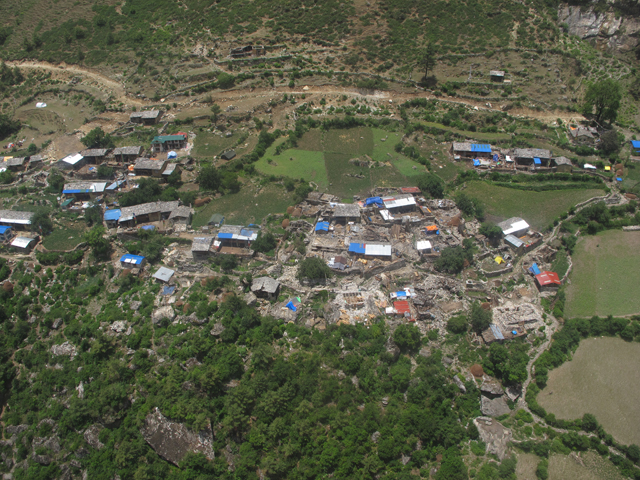
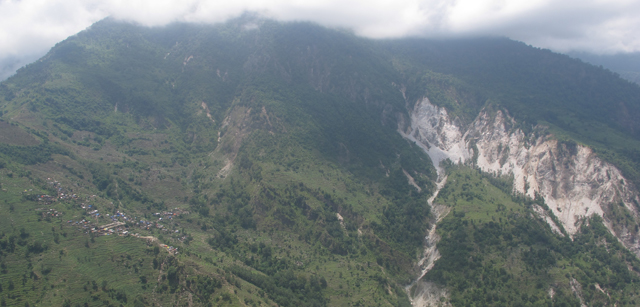
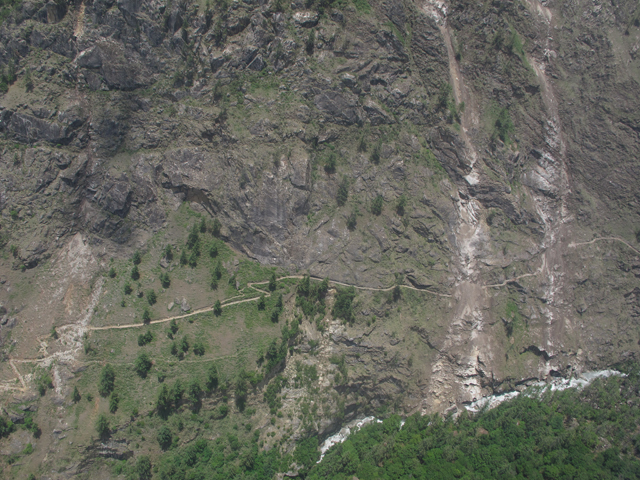
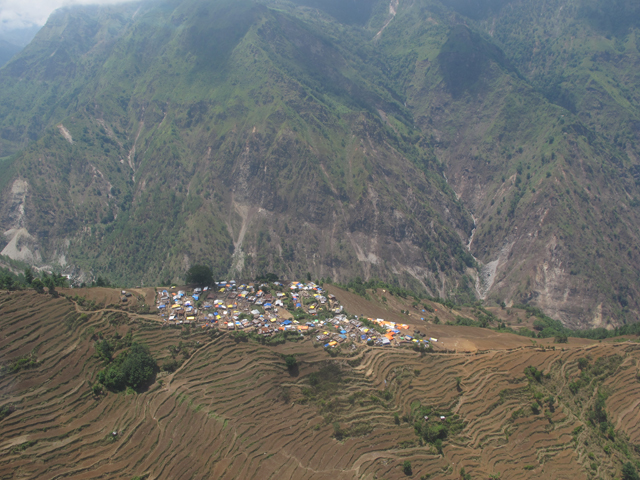
Large parts of Nepal are hard to reach at the best of times, but after the 25 April earthquake and its aftermath, terrain has become the most challenging obstacle to get urgent relief supplies to the communities in the 15 mountainous districts.
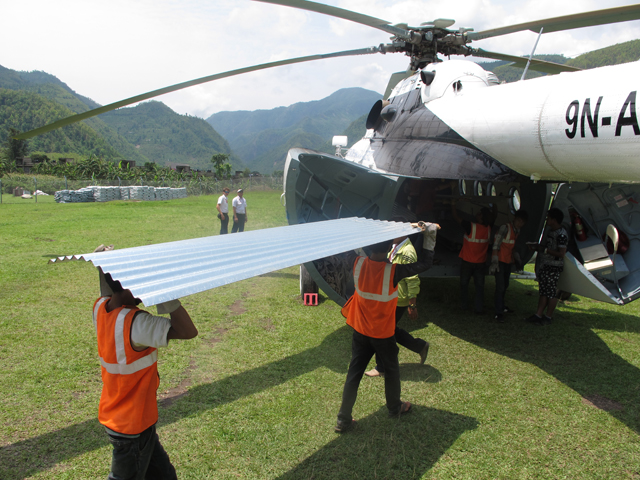
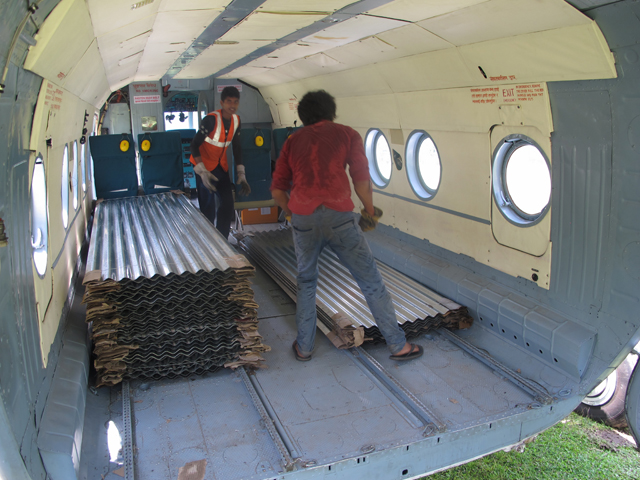
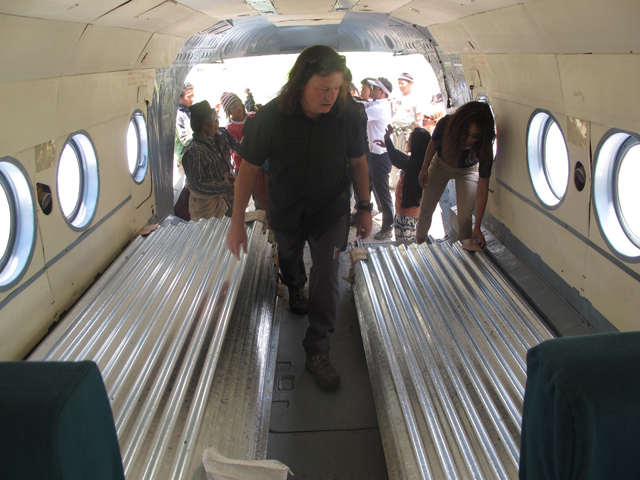
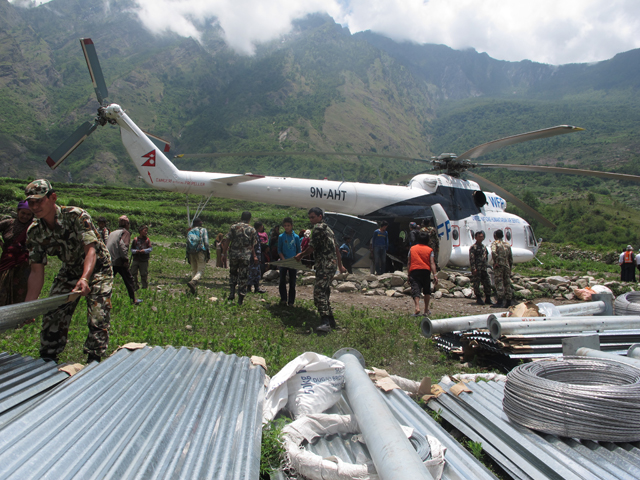
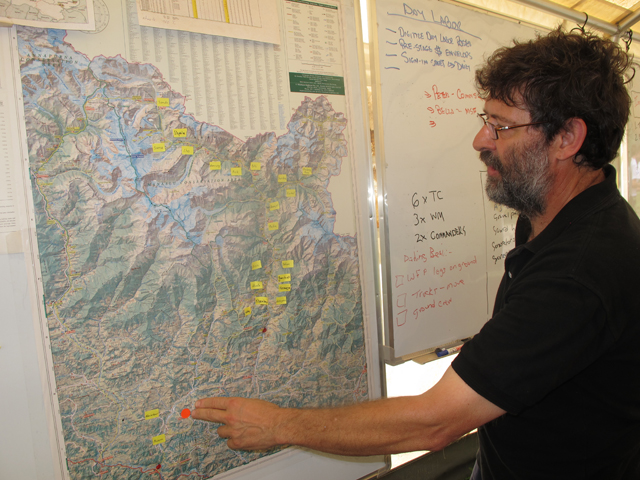
The UN’s World Food Programme (WFP), which is involved in emergency food in wars and disasters around the world, is in charge of logistics to deliver tents, roofting material, food, medicines and basic supplies to far-flung villages in Dolakha, Sindhupalchok, Rasuwa, Nuwakot and Dhading districts.
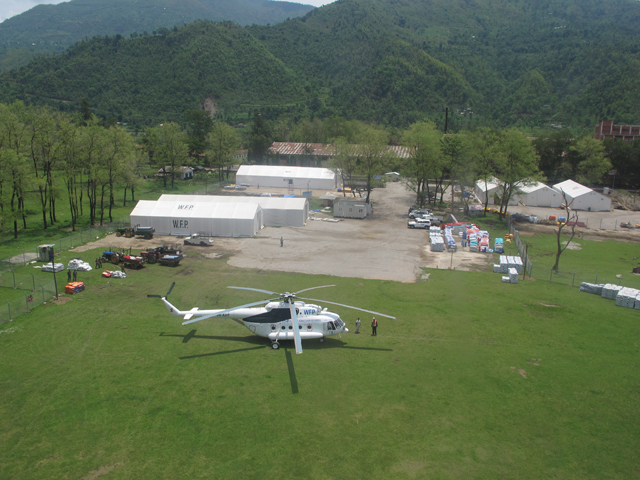
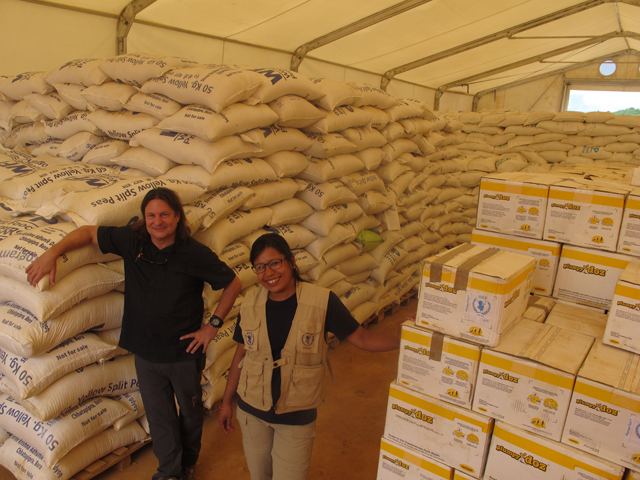
WFP doesn’t just transport its own food, but also supports up to 60 partner organisations by providing helicopters to lift the material to remote areas without road access. WFP works out of two main base camps in Chautara in Sindhupalchok and Abu Khaireni in Gorkha. It has a fleet of five MI8 helicopters and some smaller Ecuriels for villages on steep slopes where the big ones cannot land.
WFP is also employing hundreds of trekking porters, mule trains and mountaineers to repair trails and get to even more remote areas where helicopters cannot go because of monsoon weather and blocked roads.