Whenever Nepal's autocrats wanted to warn the media during the absolute monarchy days, they arrested a few journalists on a Friday.
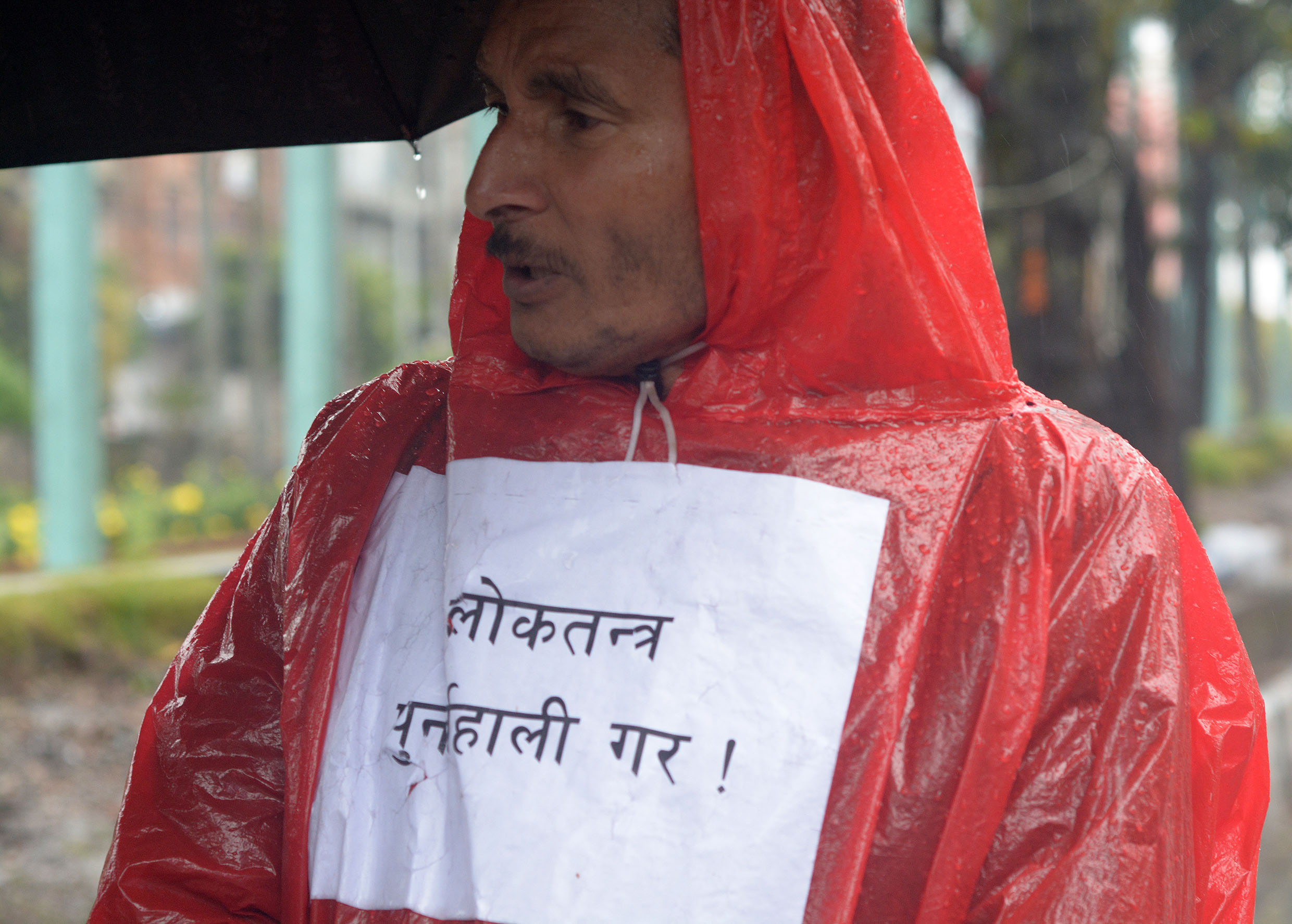
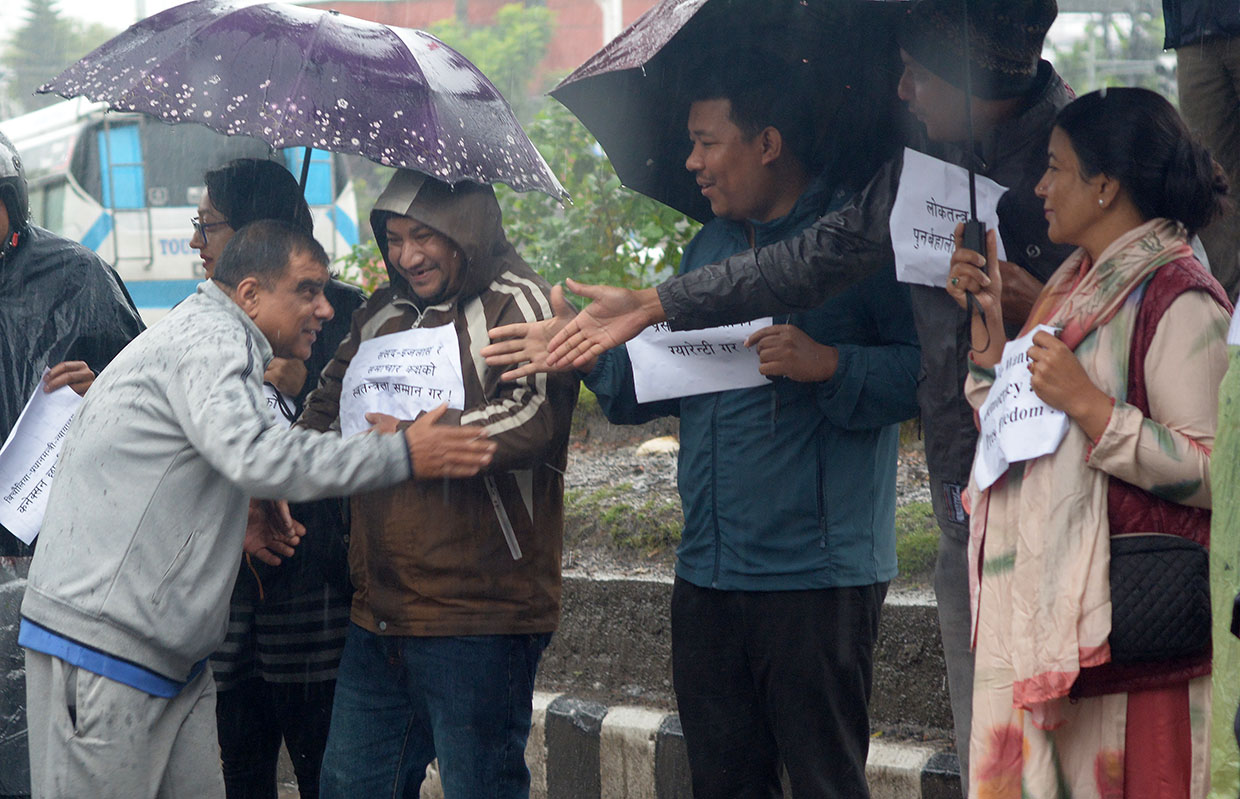
That is what the state apparatus did on 30 October, leading to muted protests over the weekend. Plainclothes police officers entered newsrooms to nab reporters following a story about state highhandedness.
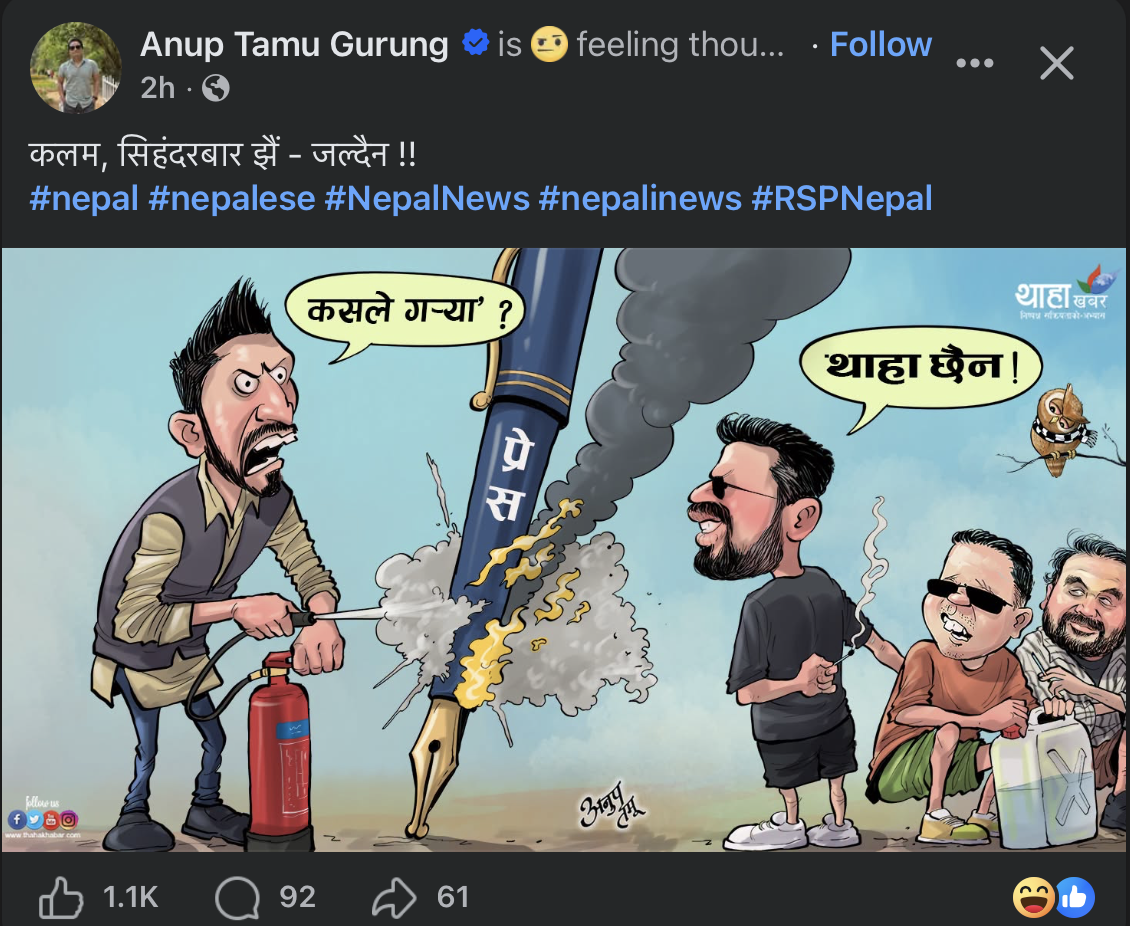
In the past, authoritarian regimes wanted everyone to know they were behind the detention, but Prime Minister Balendra Shah's office denied any involvement, insinuating that Nepal Police chief Inspector General Dan Bahadur Karki was miffed about media coverage regarding efforts to sack him.
But then on Friday night, the Police said it had been acting on the advisers' orders. For journalists covering their colleagues' detention, this was an impossible to verify case of he-said-she-said.
Even so, it was yet another indication that relations between the governing party and the government are not well. Worse, it could even be a worrying rift between the government and the security apparatus.
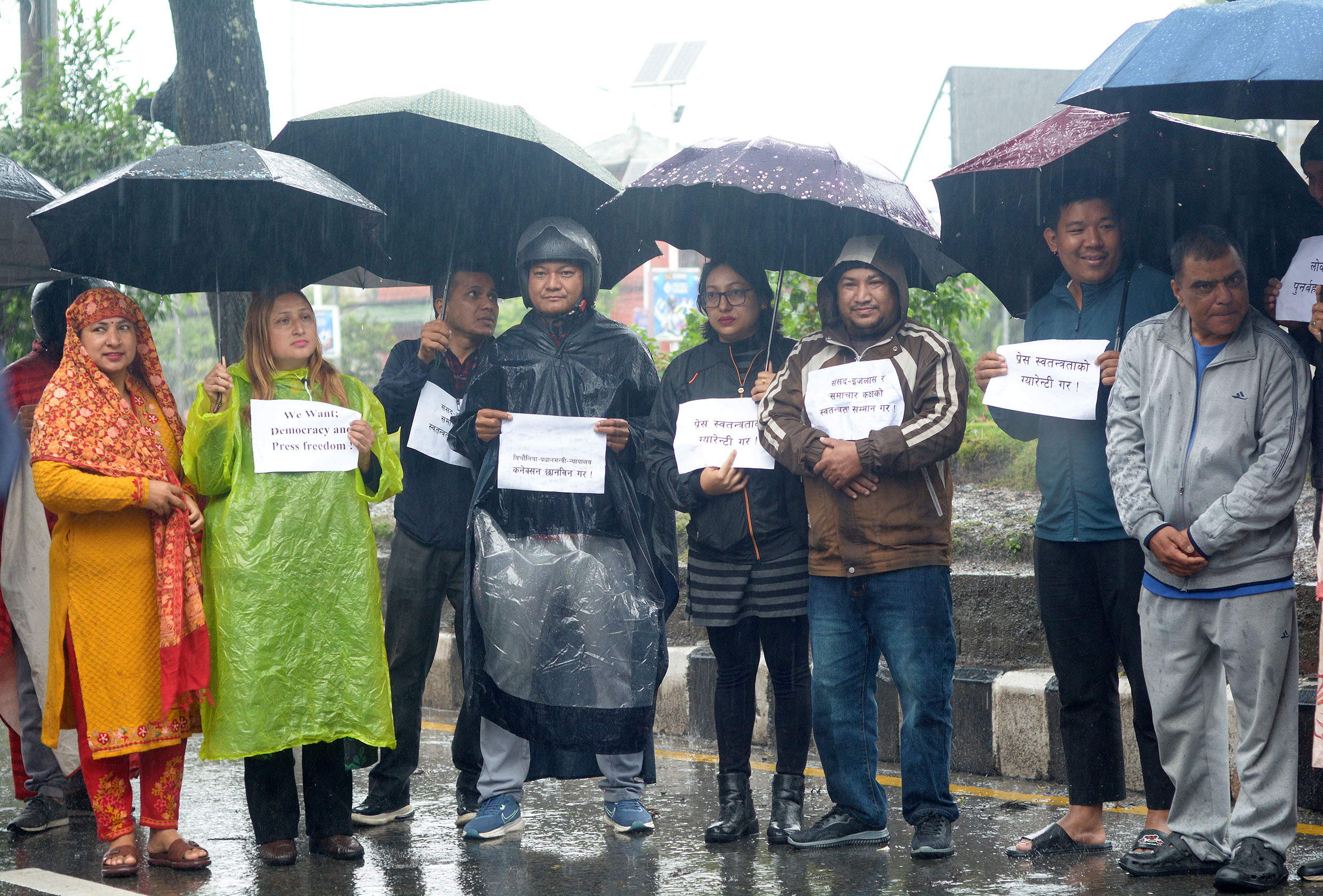
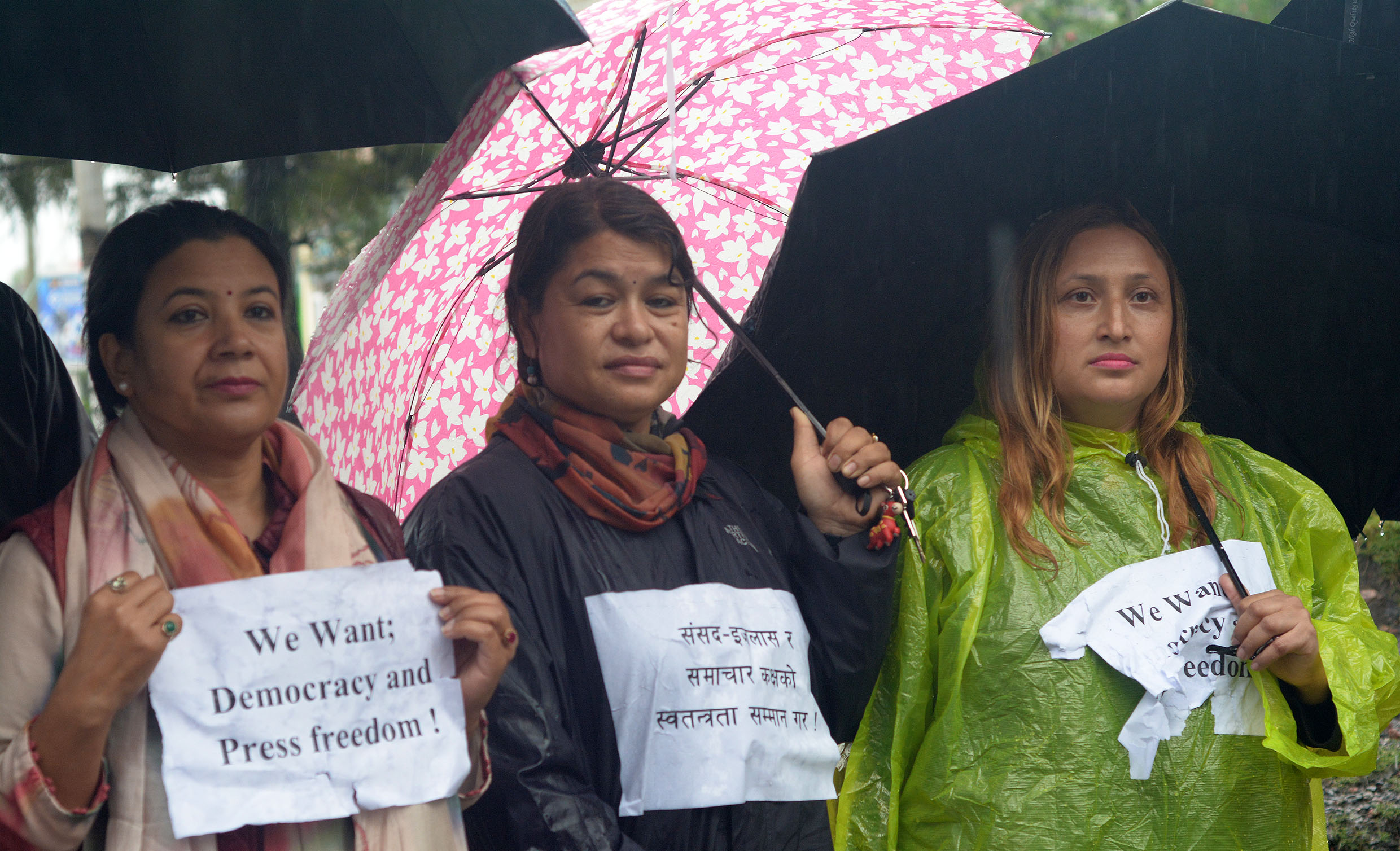
Plainclothes police officers made rounds of several media outlets across Kathmandu to question and detain journalists on Friday in a move that was widely condemned by the mediasphere, civil society, political leadership, and press freedom watchdogs.
Security officials took DNA Khabar editor-in-chief Dhiraj Basnet, Motive News editor Shobhraj Baral, and Nepal Press reporter Bishwamani Subedi into custody on Friday afternoon.
Subedi was said to have been detained on the basis of a letter from the Cyber Bureau after Nepal Press published news claiming that the government was considering relieving Inspector General Karki from his duties. Nepal Press newsroom leadership were questioned about their sources.
Basnet was called in by the Kathmandu Valley Crime Investigation Office under the pretext of discussing an eSewa account number. Baral was similarly taken in without charges on vague grounds.
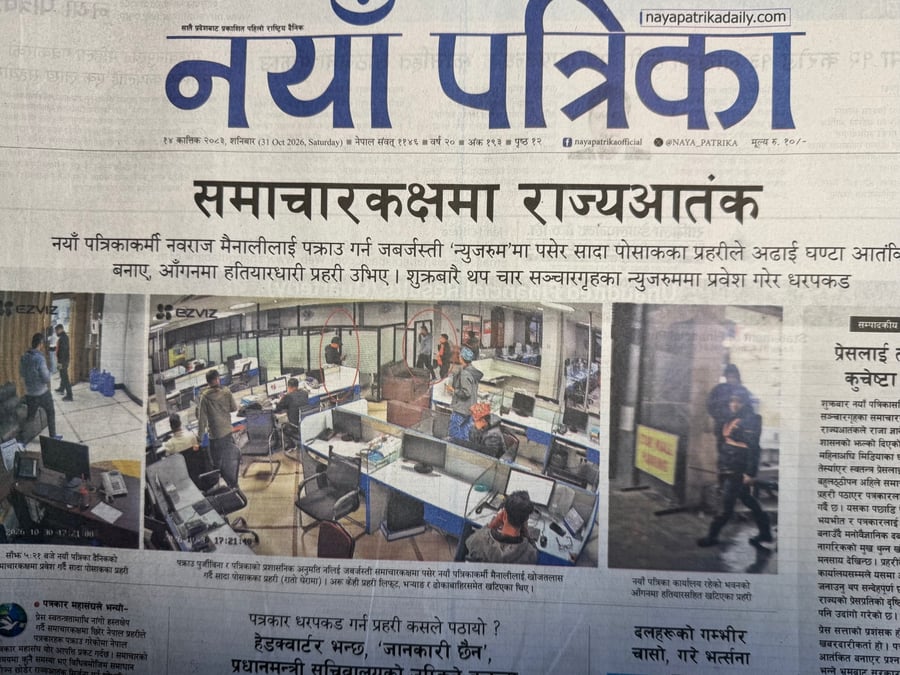
Officers also entered the Naya Patrika newsroom in an attempt to find journalist Nawaraj Mainali, who reported on the leaked WhatsApp coversation between a power broker and a Supreme Court justice.
Another police team went to Anamnagar to Diyo Post’s office looking for editor-in-chief Sudeep Bishwakarma and news coordinator Madan Dhungana, but left after failing to find them.
When pressed by journalists on the charge and documentation, police refused to provide them saying they were just acting on ‘orders from above’.
Naya Patrika broke the story earlier this week involving leaked correspondence between Supreme Court Justice Hari Phuyal and political fixer Inam Sapkota insinuating political interference in judicial proceedings. Other media outlets followed up on the piece, with coverage of corruption and collusion between judicial officials, political and security officials, as well as middlemen.