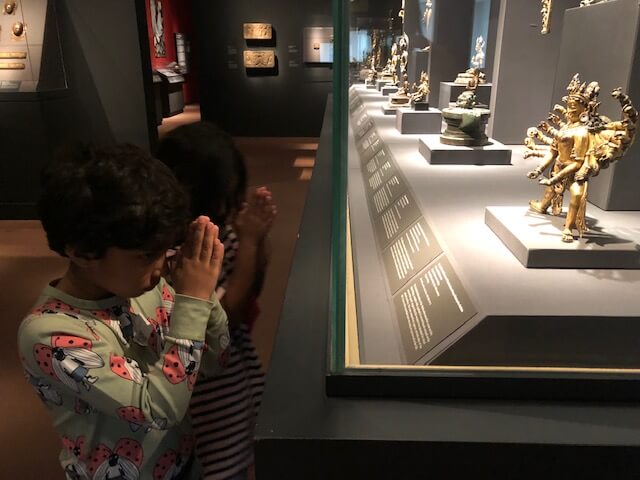
The Metropolitan Museum of Art in New York presents ‘over 5,000 years of art spanning all cultures and time periods’ in its galleries, and for a year until the exhibition closed this week it displayed a unique facet of Kathmandu Valley’s Vajrayan Buddhist heritage.
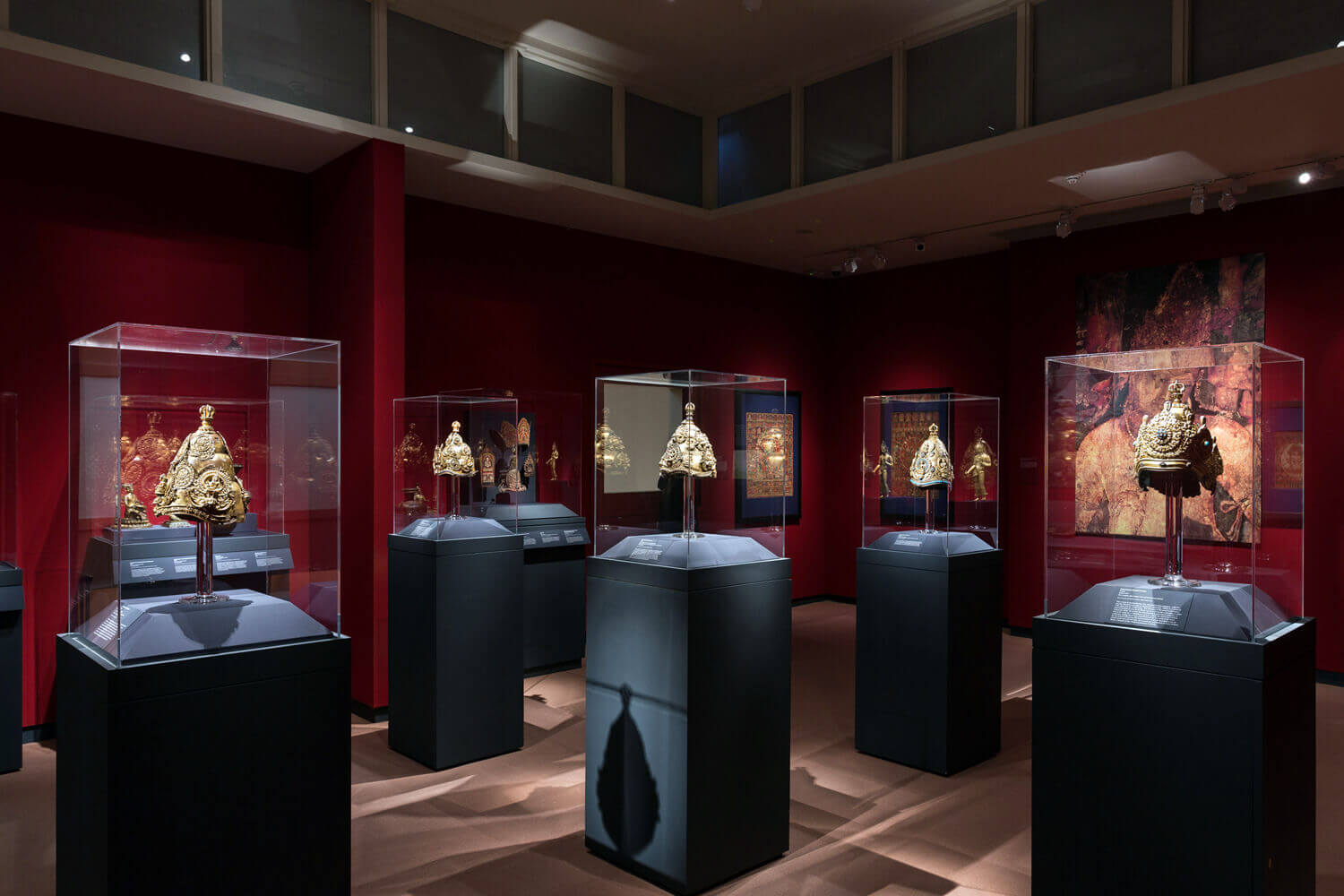
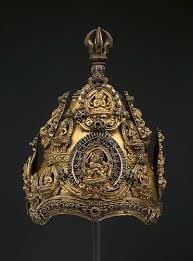
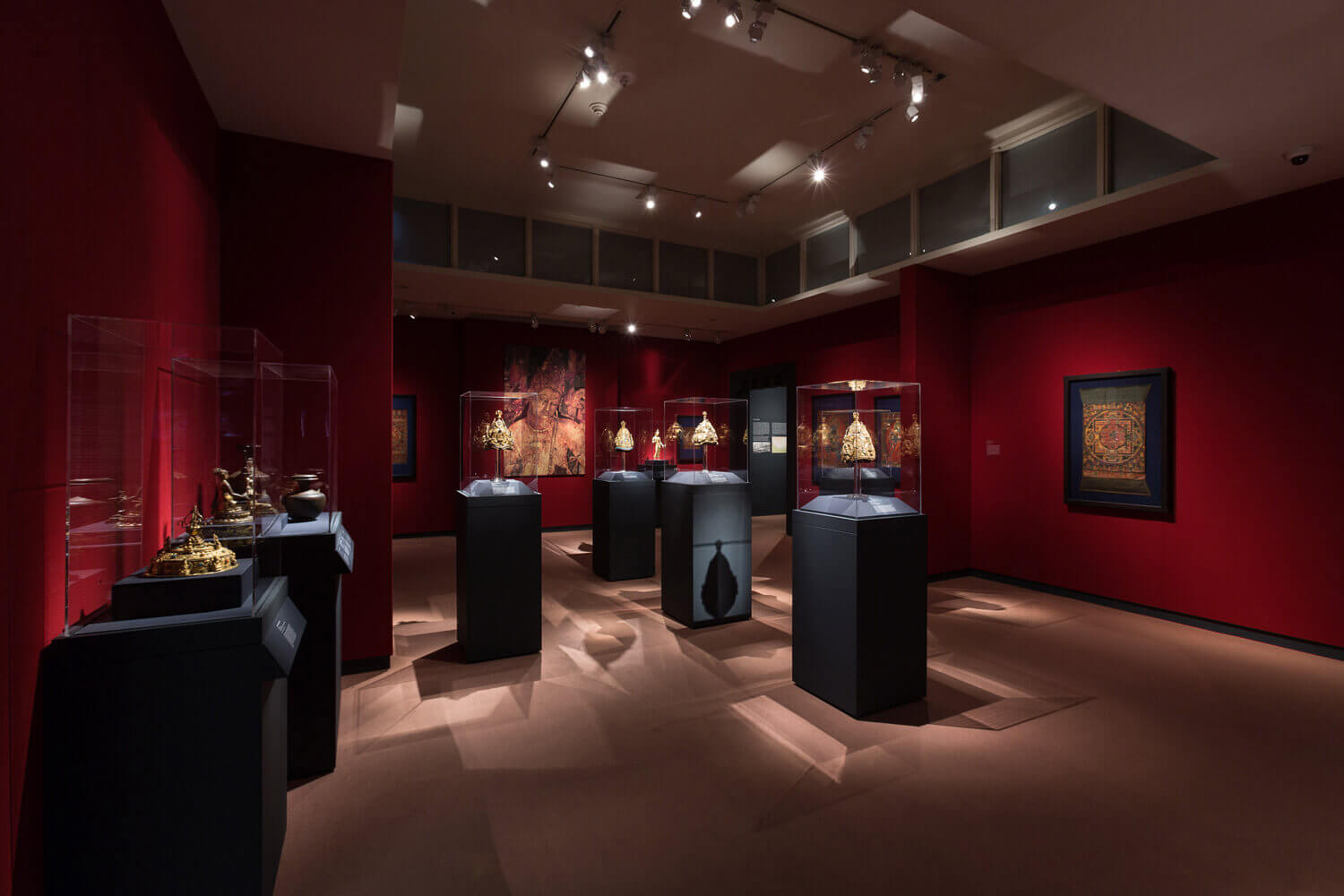
‘Crowns of the Vajra Masters: Ritual Art of Nepal’ presented five heirlooms of the Vajracharya clans of the Nepal Mandal (Kathmandu Valley) in a darkened gallery. The tapered crowns made of gold-plated gilt copper with repoussé medallions carrying the images of the Five Dhyani Buddhas (Vairochan, Akshobhya, Ratnasambhav, Amitabh and Amogasiddhi) were beautifully spotlit.
The mukuts (crowns) sparkle with semi-precious stones, turquoise and coral, and each has half a thunderbolt sceptre (vajra) at the tapered top. The way the crowns follow the contour of the wearer’s head from temple to forehead just above the brow is distinctive of this genre, but each of the five on display is different from the other.
It is not that The Met is lacking in cultural items related to Nepal, some of which have arrived here through the back door, so to speak. A decade ago, historian Ramesh Dhungel gained access to the storage space of the Museum and emerged with the work, The Lost Heritage: Hindu and Buddhist Art of Nepal at the Metropolitan Museum of Art (2010).
Nearly 40 years ago, the venerable Lama Ugen Sherab (Bhikchu Krishnaman) personally presented a full set of the nine instruments of Nepali naumati baja folk orchestra to the Museum’s permanent collection.
The exhibit of crowns which date from the 12th to the 18th century was curated by John Guy, who heads the South and Southeast Asia section at The Met, and also the museum official who came to Kathmandu in early April to return two statues that were found to be stolen (a standing Buddha and Uma Maheswar).
The Vajracharya are the masters of the thunderbolt sceptre (vajra) and the crowns the priests wear during rituals Guy describes as ‘one of the most spectacular symbols of Buddhist ritual in Nepal’. Donning these crowns is central to Vajrayana rituals, transforming the wearer into ‘a perfected being, a bodhisattva’.