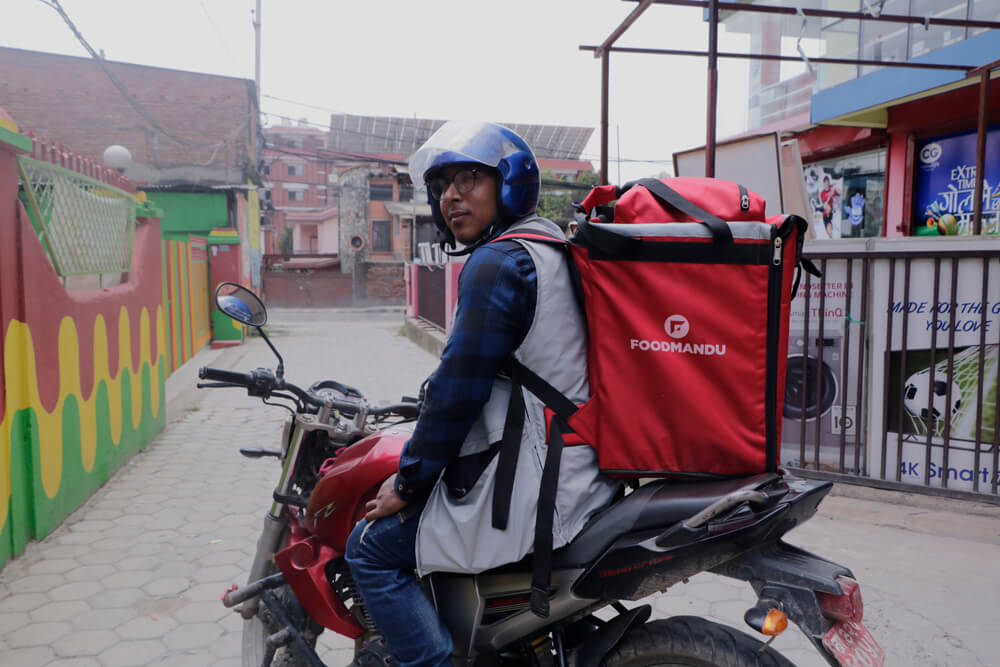
It is noon at the nerve centre of Daraz Nepal in Naxal, and the place is humming like a bee hive. Orders are constantly coming in online, and going out for delivery. No one has time to talk.
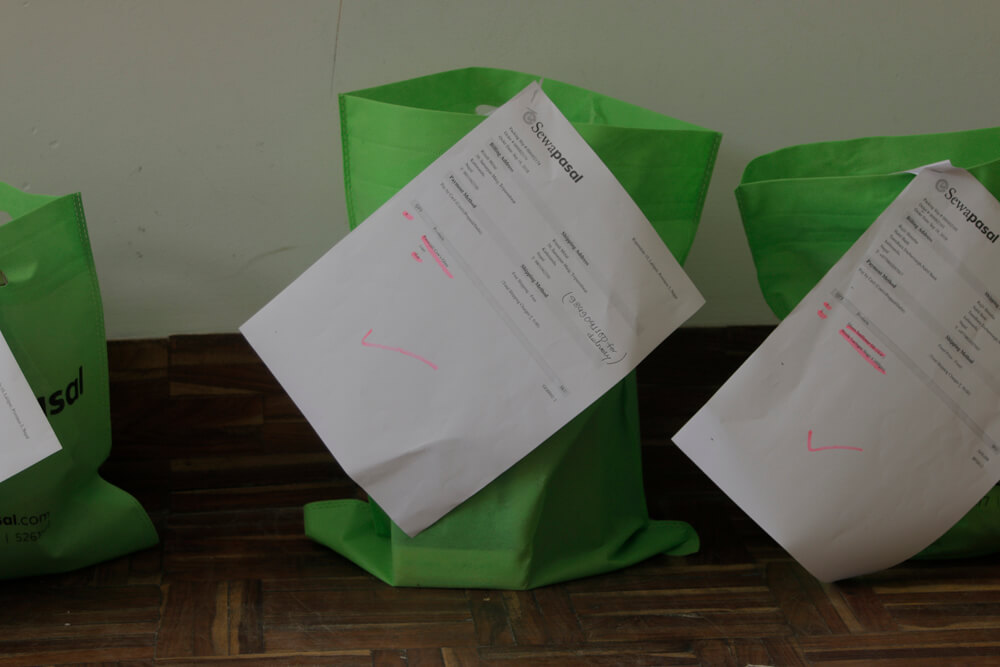
Across town at eSewaPasal in Kupondole, the scene is relatively more relaxed, but only because it is already 2PM and most of the day’s online orders have already been shipped.
Daraz Nepal and eSewePasal are two of the swarm of new e-commerce companies that are poised to turn Nepal’s retail market upside down. After Alibaba acquired the Pakistani online site Daraz and BhatBhateniOnline merged with Nepal’s leading mobile-wallet company eSewa, an e-commerce wave is sweeping urban Nepal.
“Compared to our past operation as BhatBhateniOnline, we now have exponential growth within just half a month of functioning as eSewaPasal,” explains CEO Manish Shrestha. “We are therefore expanding our inventory from 15,000 to 60,000 items by December.”
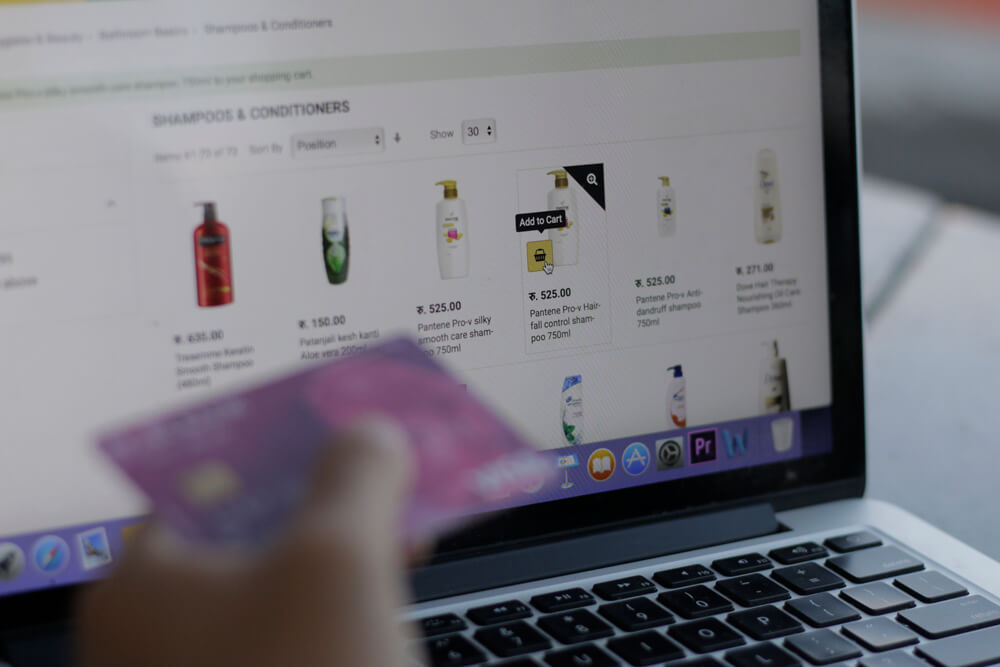
eSewaPasal has made online payment accessible with options for credit/debit/prepaid cards, eSewa and PayPal for international payment. Customer confidence in digital payment got a boost after Nepal Rasta Bank licensed online payment companies -- eSewa, IME Digital Solution and Prabhu Technology -- and allowed 28 banks mobile and internet banking.
Currently, there are 1 million eSewa customers and nearly 5 million mobile banking clients all over the country, and these numbers are expected to rise with increasing mobile internet use, and the proliferation of smartphones.
“E-commerce, like any other business, is driven by its ecosystem. At the moment, the growth is just organic, and to increase the pace we need greater awareness and trust in internet payment,” explains Roshan Lamichhane of eSewa, taking the experience of Amazon India which uses mass media, and not just social networking sites, to create great first impressions and to advertise their deals and offers to attract customers.
“Here too, businesses should also advertise on how to navigate through the online sites so that people do not get lost in the maze of products,” Lamichhane adds.
Most online sites today rely on cash payment on delivery, but it is limited by poor infrastructure and lack of street addresses. The delivery person rides through traffic on a scooter and has to call numerous times for directions before finally finding the house.