
Violent protests on Monday and Tuesday in Nepal got unprecedented worldwide publicity for Nepal — but not of the kind it would have wanted at the peak of the autumn tourism season which sees more than a third of annual arrivals.
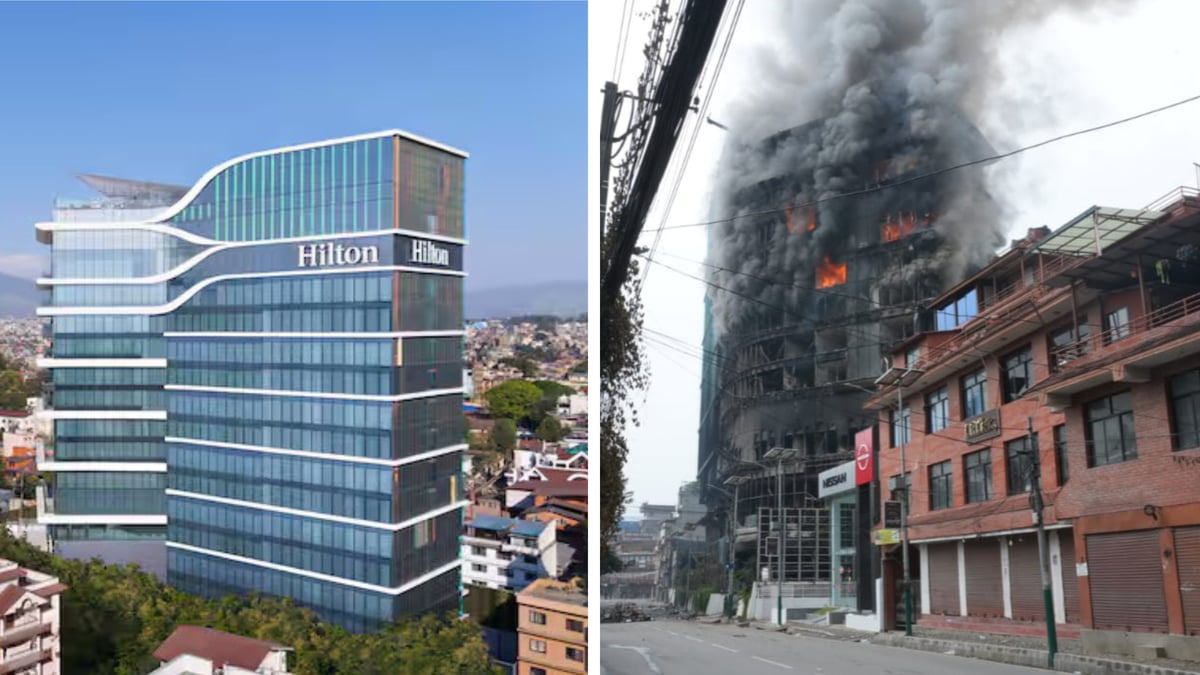
Videos on tv and online about the death, destruction and mayhem in Kathmandu have led to some cancellations, especially with scenes of burning internationally branded hotel chains.
Thousands of passengers have been stranded in Kathmandu and in destination cities with the 24 hour closure of Nepal’s only international airport. The Nepali diaspora coming home early for the Dasain-Tihar holidays were also impacted.
However, despite the unprecedented nature of events this week and the continuing political uncertainty, tourism officials are confident that Nepal will make it through like it did after past crises. Even during the height of the Maoist war, tourists and trekkers were not harmed.
“The tourism industry has been through a lot in recent years, such as conflict, pandemic and earthquake. We have always managed to recover, and have learned a lot about how to bounce back,” says Deepak Raj Joshi, CEO of the Nepal Tourism Board. “However, having such situations again and again really hurts our credibility as a destination.”
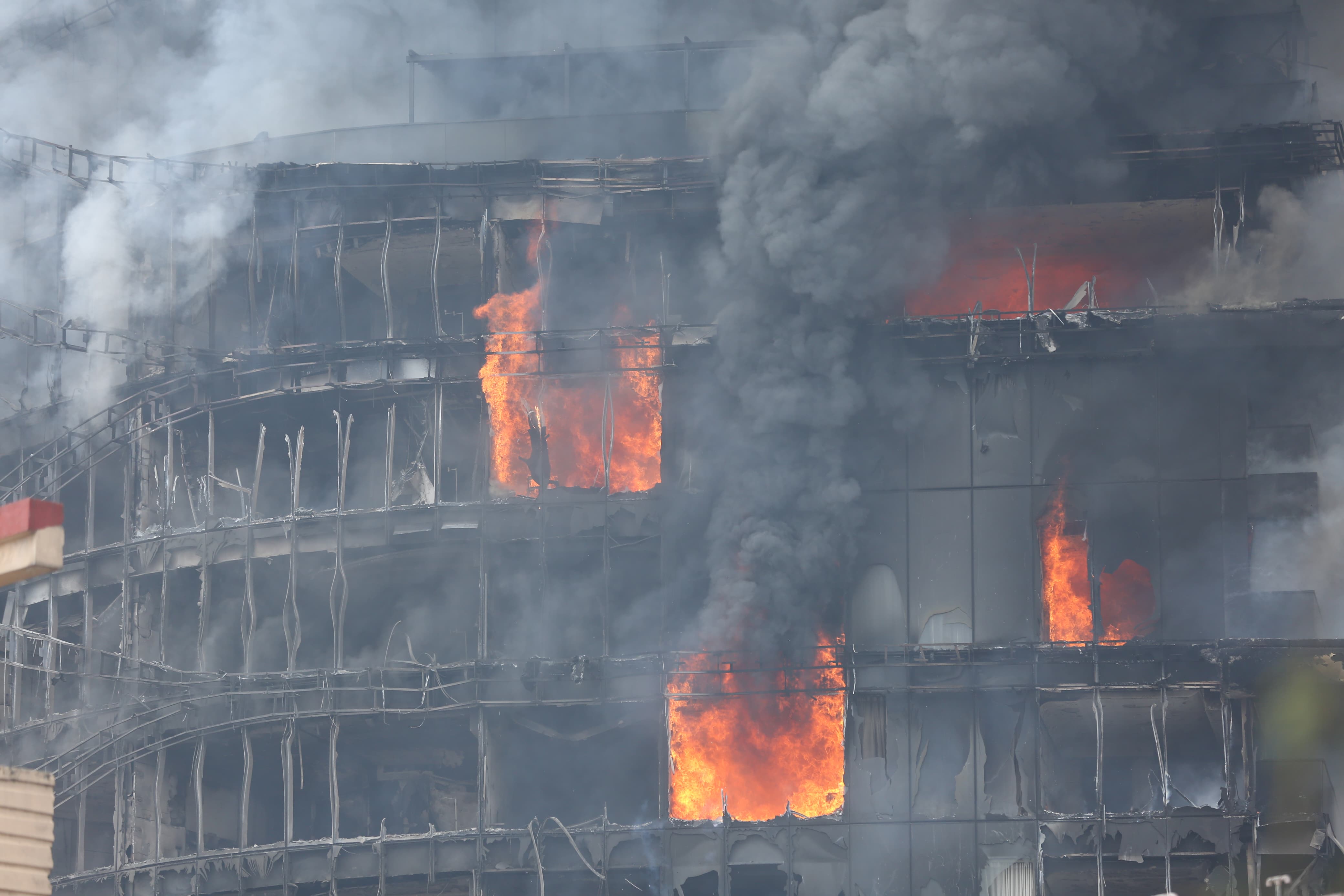
Nepal was just bouncing back from the slump brought on by a series of upheavals starting with the earthquake and the Covid-19 lockdowns. The number of international visitors had finally reached pre-pandemic levels, recording 736,562 arrivals from January to August 2025. A series of new hotels including international brands such as Hilton, Marriott and Holiday Inns came up across the country.
With the Nepal Army stepping in to stabilise the situation starting Tuesday night and through Wednesday and Thursday, the streets are calmer. Kathmandu airport is back in operation, but arriving passengers have to drive past the charred hulks of government buildings and torched cars.
At present there are up to 35,000 foreign tourists in Nepal, many already trekking in the Everest and Annapurna regions. Some of them are in Pokhara, Chitwan and Lumbini.
“Many are carrying on with what they came to Nepal to do,” says Joshi, adding that since the airport is open their current situation will steadily resolve itself as the backlog of passengers are handled in the coming week.
NTB has organised shuttle services between the airport and hotels for tourists, and these buses had passes to ply even during the 10AM-5PM and 7PM-6AM curfew hours on Thursday.