
A year since Nepal went into lockdown to control the spread of the coronavirus, different facets of socio-political economy are being revisited. Findings of one such recent study, paints a grim picture of women’s economic status.
A large number of women both in the formal and informal sectors faced and continue to face pay-cuts since the start of the pandemic. Many have been laid off.
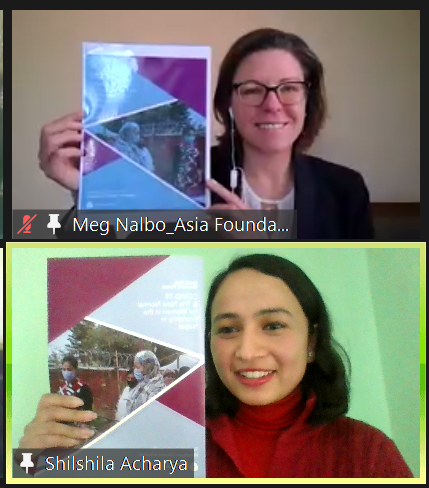
South Asia Economic Policy Research COVID-19 & The New Normal for Women in the Economy in Nepal just as its elaborate title suggests, examines the conditions of women and their contribution to the economy in the days since the world braced for a pandemic.
The report released this weekend highlights the already challenging status of Nepali women, that has been further compounded with increased unpaid household work and burgeoning instances of domestic violence and abuse in 2020.
This study is done by a team of young Nepali women and men in mid-twenties and aims at understanding the current socio-economic situation of Nepali women to pave ways forward, says Shilshila Acharya of the Himalayan Climate Initiative (HCI) which partnered with The Asia Foundation (TAF) on the report.
The paper covers 401 women and 51 private sector firms from all seven provinces and focuses on three major aspects affecting women during the pandemic including economic, psycho-social, and sexual and reproductive health.
“So many women have lost their jobs and income due to the pandemic. To help in their income generation, a lot of skill enhancement trainings, including digital, and entrepreneurship promotion work must be done,” says Acharya.
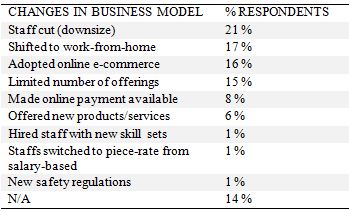
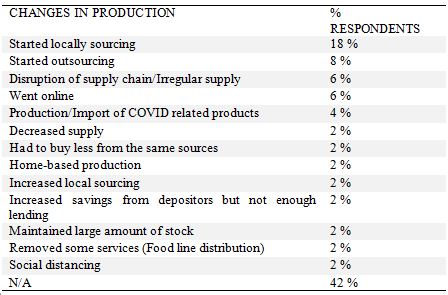
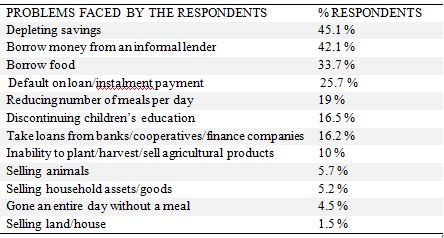
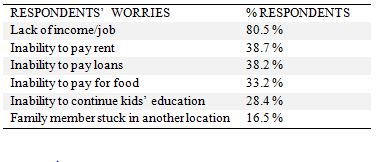
The study documents respondents’ concerns on issues related to the marginalised communities, mainly women. It highlights how the lack of planning has led womens’ inability to access contraceptives, increased chances of unintended pregnancies, and starkly high maternal mortality, among others. The impact on mental health of women has increased.
This research also included a survey with 51 female employers representing individual employers (households), Small and Medium Enterprises (SMEs) and informal sector employers, and formal sector employers (large industries), including businesses primarily owned by women.