
Nepal has delivered a clear, decisive mandate to the RSP in this election, breaking many previous records.
Not even Pushpa Kamal Dahal got such a victory during the first Constituent Assembly election in 2008 in which he had emerged as a larger-than-life figure after the conflict. What Balendra Shah has achieved is rare in Nepal’s 35-year-old multiparty democratic system.
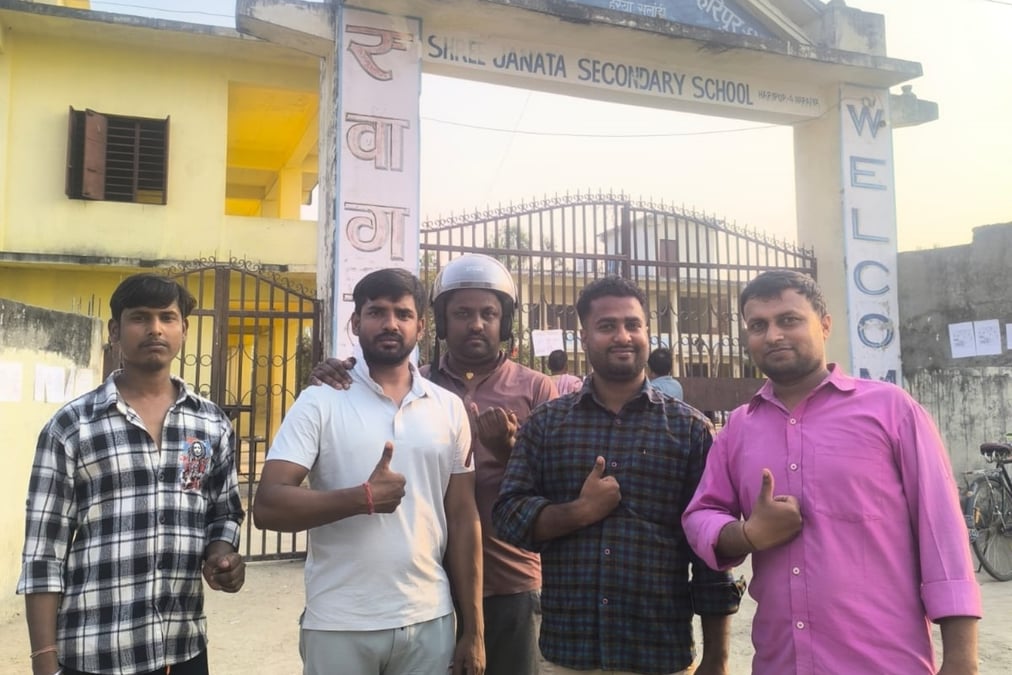
The campaign slogan ‘Abki Baar Balen Sarkar’ was heard right across the Tarai, even though the turnout of 58%, was the lowest in Nepal’s multiparty history. Many Nepalis in the Gulf could not return to vote, others could not travel back to their districts from the cities.
Traditional voters of the old parties may also not have turned out to vote. This election was all inclusive, all old or new parties and independent confidantes participated and voting was held on time as mandated to interim prime minister Shushila Karki.
Nepal is now going to have a ‘Balen sarkar’ of the RSP, a party barely three years old moving to a two-thirds majority. In the proportional representation count, it is securing more than 50% of total party votes.
All this is rare in Nepali political history, when a single party gained a majority for the first time since 1999, especially given the mixed electoral system, which generally reduces the possibility of a single party obtaining a majority. The popularity of the rapper-turned-politician and former mayor of Kathmandu has made this remarkable outcome possible.
The result will also weaken the argument that the mixed electoral system is not suitable for Nepal, an argument that had recently been gaining momentum.
Balendra defeated former Prime Minister K P Oli in his stronghold of Jhapa-5, considered the Leningrad of the Nepali left. All former prime ministers in the fray, except Dahal, have lost their seats. Shah’s popularity was often dismissed as merely a social media hype, but his decision not to become the interim leader after the GenZ movement now appears to have been a wise one.
Nepal was in dire need of a stable government, and is now going to have one. Past mergers and coalitions have fallen apart due to power clashes. There have been 30 governments in the past 35 years of multi-party political history. No government in that time ever completed its five-year term.
Parties were unresponsive to the people’s desire for accountable and efficient government. These were the objective conditions that drove the GenZ movement, and also emerged as the main issues in this election. Voters rejected the old political parties, reducing them to one of the lowest levels in history.
The communist parties have suffered significantly in terms of seats and vote share, while the RSP has performed very well across all parts of Nepal, including Madhes, where its prospects were previously considered weak because of its past anti-federalism stance. The RSP managed to defeat even Madhes-centric parties.
CHALLENGES
Great power brings great responsibility, and the RSP government will face several challenges from day one. It will have to ensure transparency, maintain stability and have an economic blueprint for job creation and development.