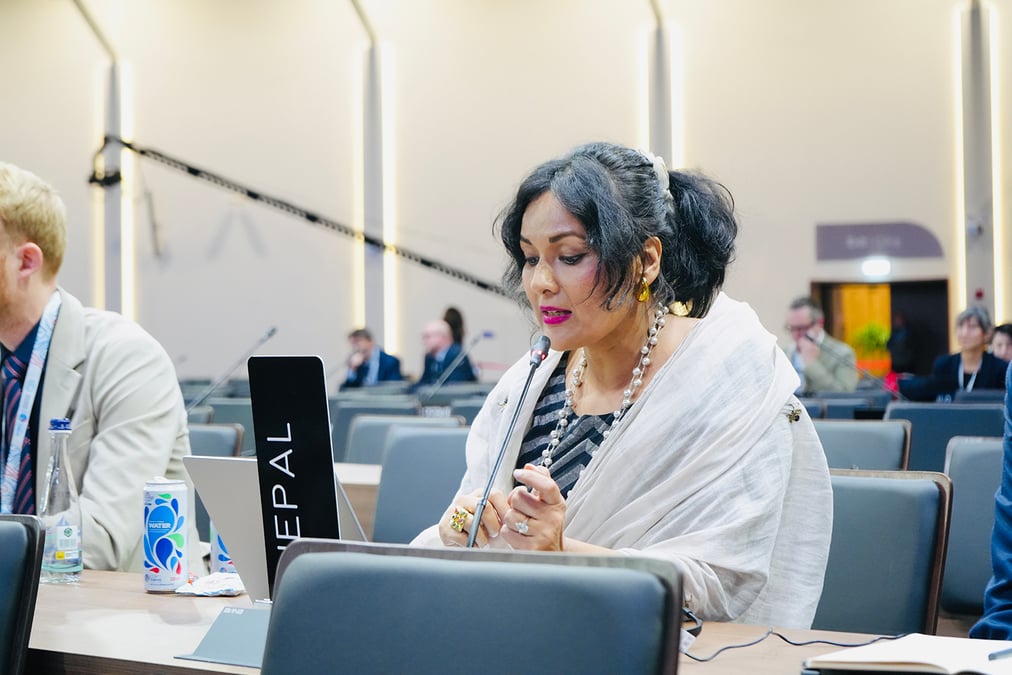
Address by Nepal’s Member of Parliament at the High Level Plenary of the Conference of Parties (COP 31) in Antalya, Türkiye, last week on a Just Transition and what it means for Nepal.
Nepal aligns itself with the statements of the G77 and China and the LDC (Least Developed Countries) Group.
In almost every room here this week, Nepal is held up as an example of climate disaster. We have become the evidence. We have become the story.
But we don’t want Nepal to be only an example of the climate crisis. We want to be an example of how the world responds to it.
For many countries, just transition means protecting workers and communities as they move away from fossil fuels. For Nepal, it means something different.
We produce no fossil fuels, but we depend largely on imported petroleum and coal, which exposes our economy to price shocks.
Our transition is to replace those imports with our own clean power. Almost all our electricity already comes from clean energy, and we are expanding electric mobility.
For more than four decades, local communities, Indigenous Peoples and women have nurtured our community forests, making Nepal’s forests a net carbon sink. We have committed to net zero by 2045, and our NDC (Nationally Determined Contribution) integrates just transition, gender equality and social inclusion.
Nepal contributes less than one tenth of one percent of global greenhouse gas emissions, yet we are among those paying the highest price.
A transition cannot be just if climate disasters keep destroying the clean energy systems we build.
So for Nepal, Just Transition is about protecting communities from climate impacts we did not cause, securing workers’ livelihoods and leaving no one behind.
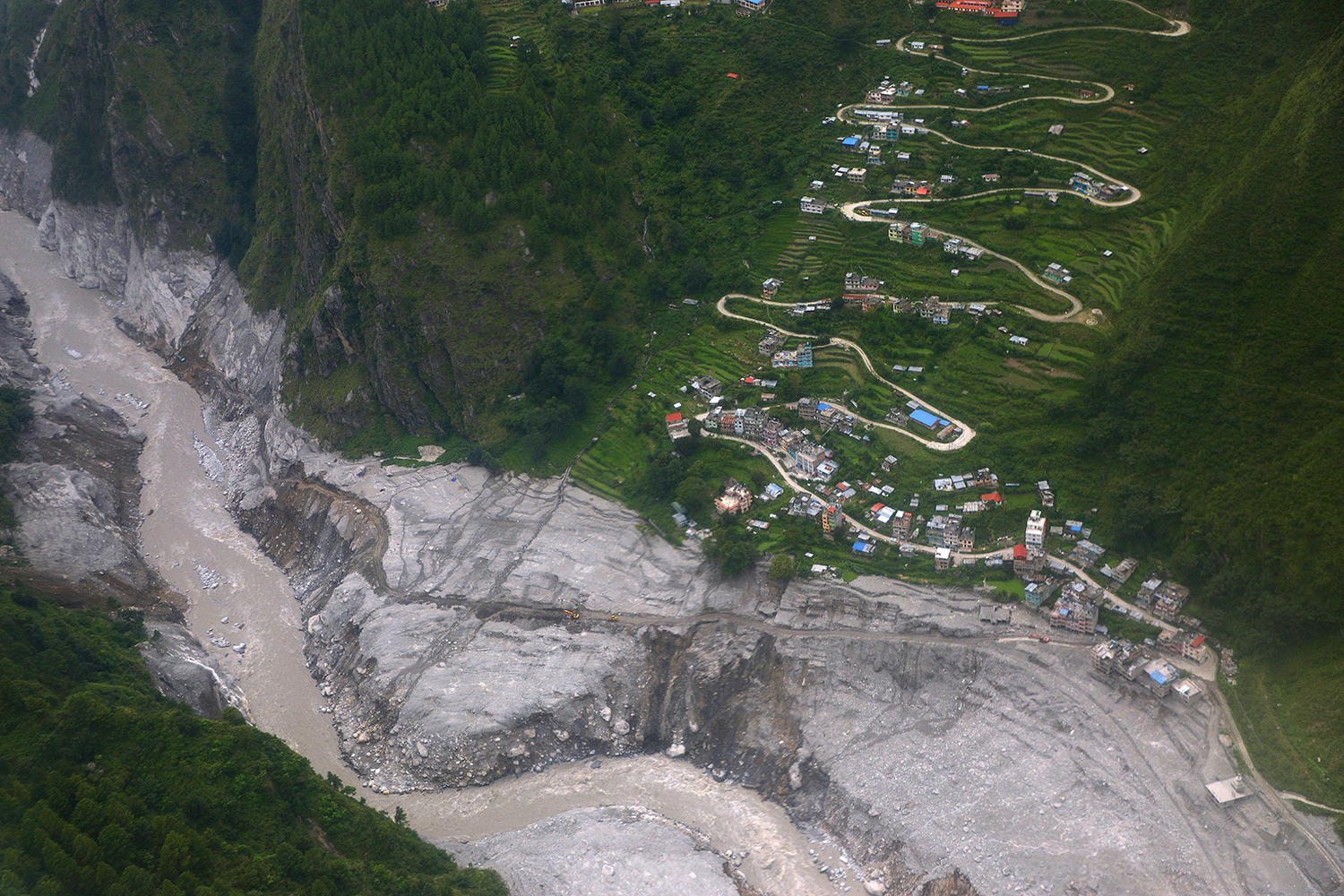
On 26 August, a rock and ice avalanche came down the Bhote Kosi valley in minutes. The human toll was devastating. Fourteen hydropower projects, nearly 750 megawatts of clean energy, were severely damaged. Reconstruction will cost around 10% percent of our Gross Domestic Product. Investor confidence has been shaken, and engineers, technicians and workers have lost their livelihoods.