
A social media video repost by Nepal’s Prime Minister Balendra Shah of people playing cricket at one of the remotest corners of mountainous Nepal may help diversify the country’s trekking destinations post-monsoon.
The short video from Darchula district became an internet sensation this week after the prime minister shared the post made by another user named Himalaya Bhatta.
Reaction to the post also showed how polarised Nepal’s politics has become: supporters of the prime minister hailed his effort to help generate income in one of Nepal’s poorest regions, while critics said the country’s leaders should spend more time solving more urgent problems.
The Api Himal Rural Municipality, where Nepal’s westernmost Himalayan peaks are located, has welcomed the attention, hoping it will bring more visitors and prioritise developing tourism infrastructure in this isolated region.
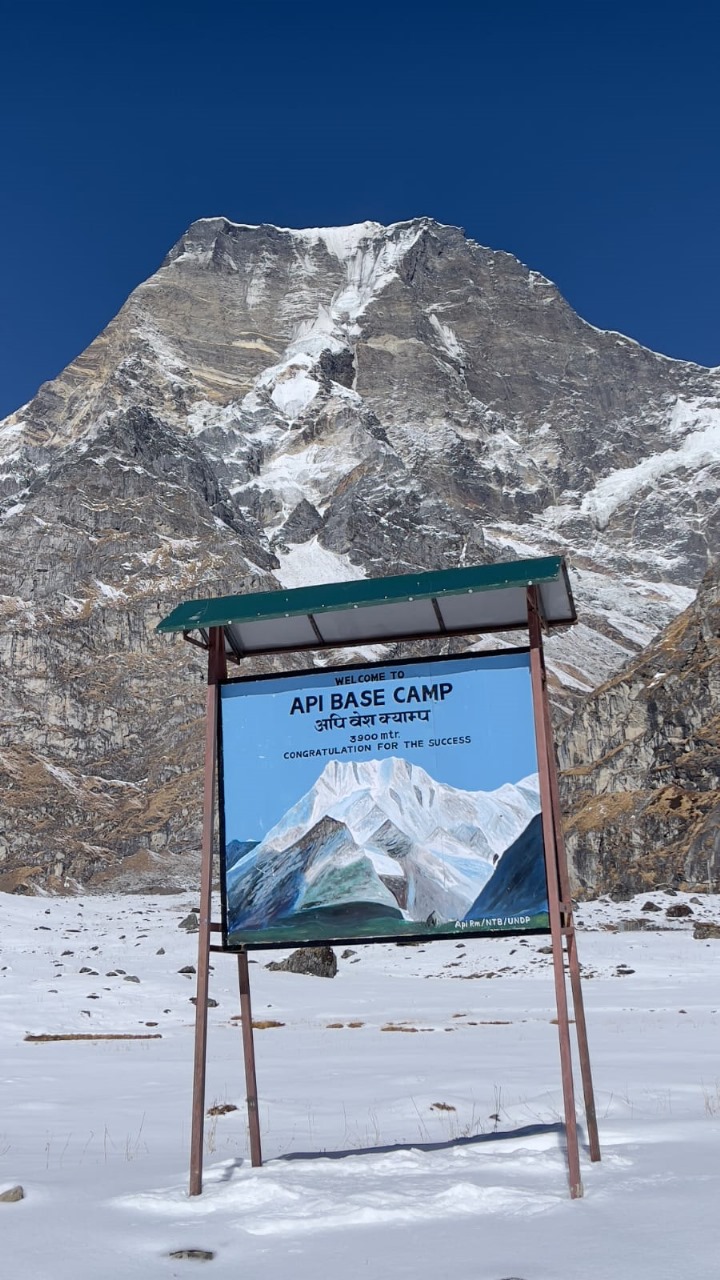
Until 2022, tourist arrivals to Api Saipal were almost zero, while more than half the population of the municipality had migrated out for study, employment or business. Those living in their ancestral villages rely on traditional farming and pastoralism.
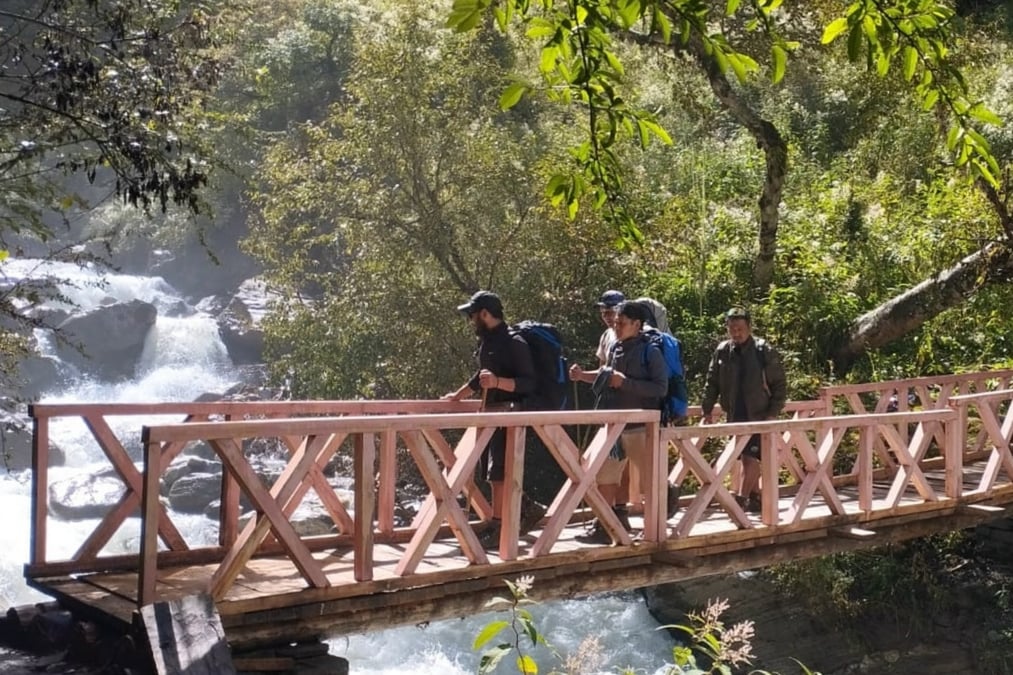
But now, with better road connectivity, some international mountaineering expeditions have been attracted to climb the range’s virgin peaks. Nepali influencers have been posting videos of the unspoilt wilderness, increasing domestic tourism at Api and Saipal base camps.
The mountain range falls within the 2,000 sq km Api Nampa Conservation Area in Sudurpaschim Province and trekkers need a special permit to enter. The three most prominent peaks here are Mt Api (7,132m), Mt Saipal (7,031m), and Mt Nampa (6,929m).
“We prioritised tourism promotion to bring people back and reverse out-migration,” says municipality chair Bhakta Singh Tikare Bohara. “We allocated budget to upgrade trekking trails, homestays, tea houses, and resting places.”
Two herder trails were upgraded to allow trekking: the 16km Khaykot-Api Base Camp and the 10km Makarigad-Khaykot connecting Api Base Camp. With UN support, Api Base Camp has been connected to the Great Himalayan Trail, ending in Hilsa on the China border in Humla.
Tea houses and homestays along the trails in Chhirchhire and Simar have also been improved with local owners given training in hospitality. Homestay owner Raimati Thakre says: “Previously we did not know about the importance of hygiene, cleanliness, and food preferences of guests, but the training really helped.”
She adds: “I used to assume that only foreigners were tourists and had no idea how to accommodate them. Now, I value everyone -- government officials and Nepali trekkers from other districts. We treat everyone with full respect.”
TOURISM FOR ALL
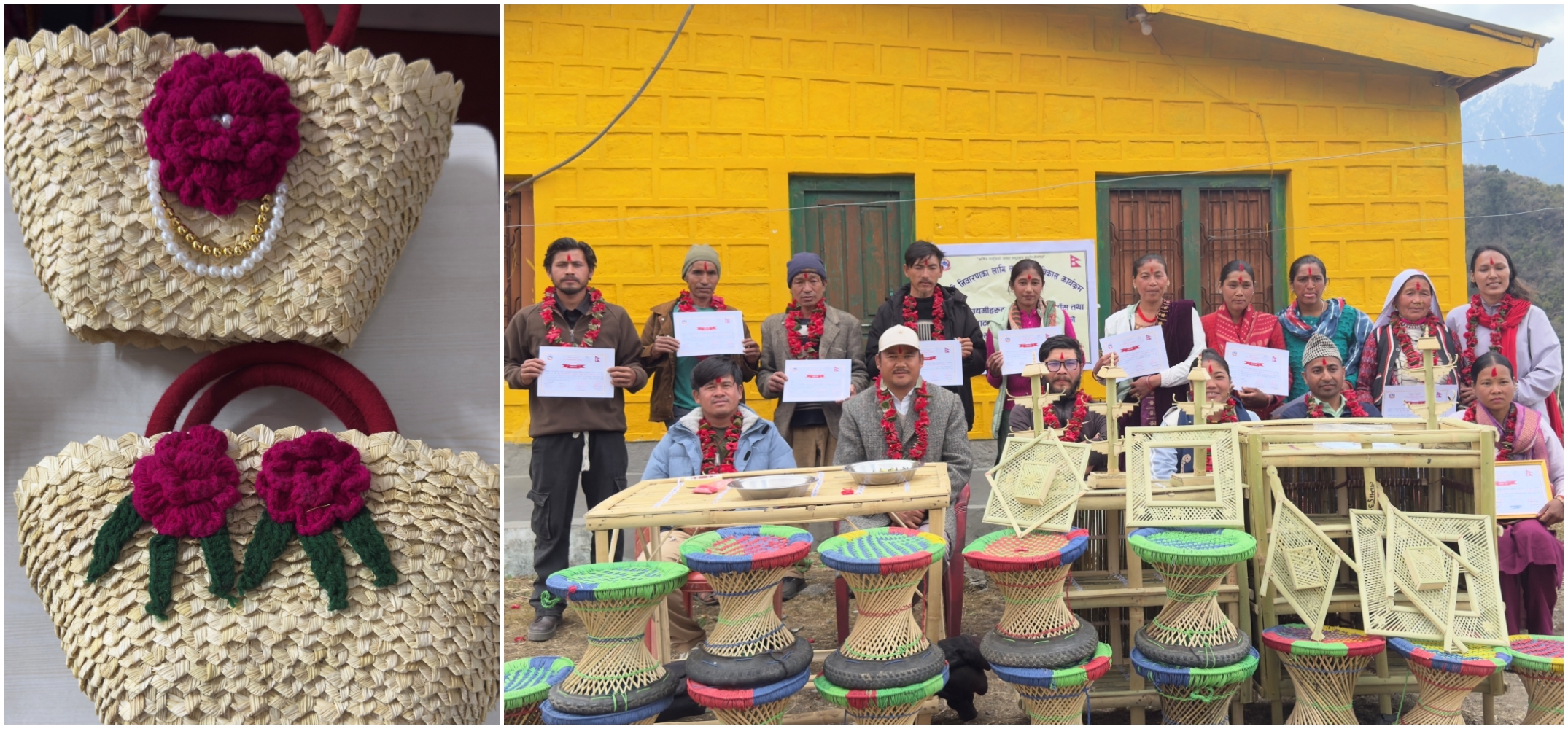
Women were also trained to run cafes and bakeries, and other locals have learnt from those who were trained. These homestays also promote local organic produce that supports farmers. Except for rice, farmers grow all the food they need: potato, millet, corn, and buckwheat.
The rural municipality also collaborated with the Nepal Tourism Board to train the first cohort of local trekking guides, which has already reversed the outmigration trend among youth.
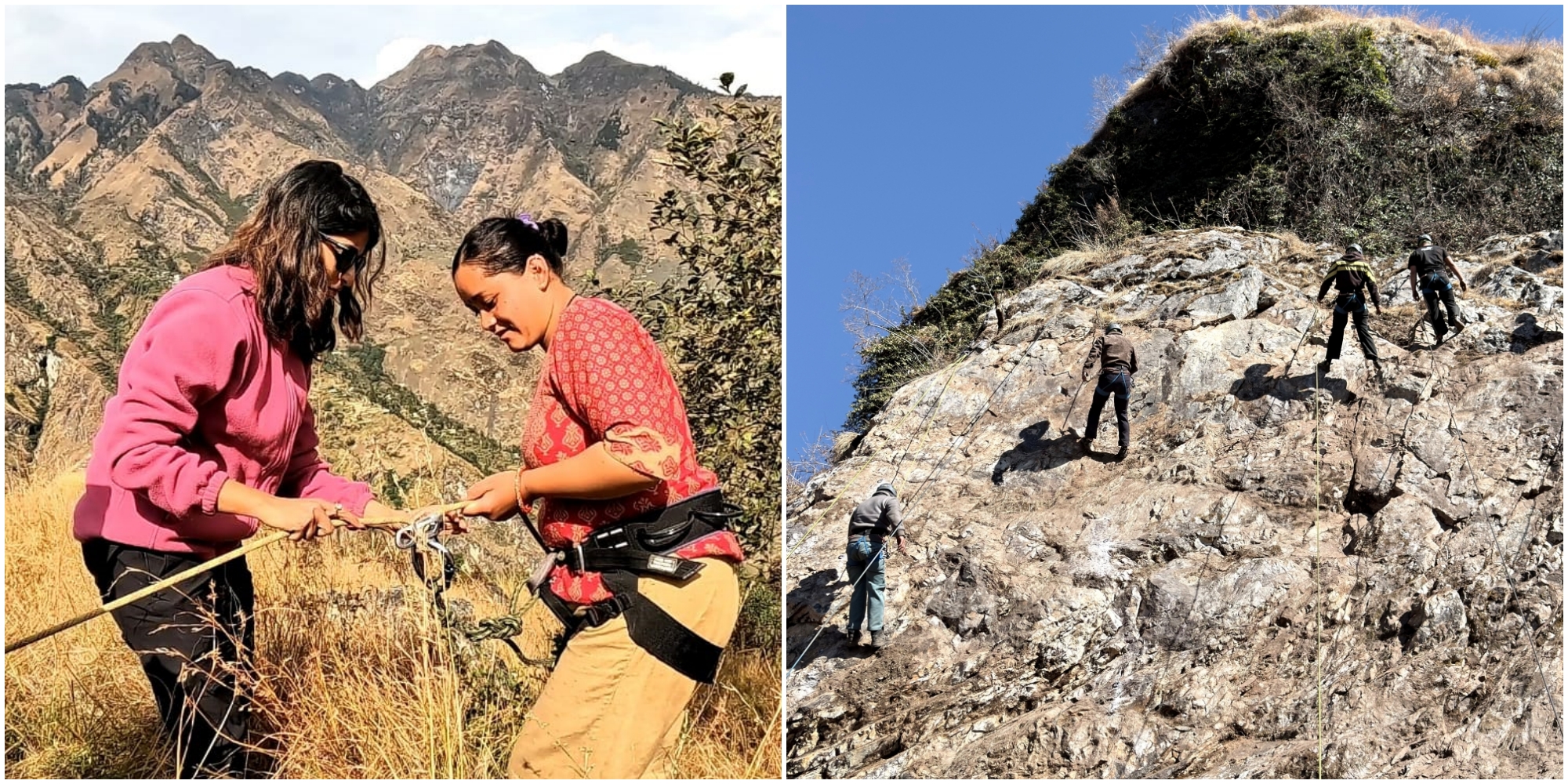
“The trekking guide training has changed my life. I was thinking of migrating abroad for employment but I have now changed my mind,” says Sundar Lothyal, a local guide who runs a tea house.
Although the roads to this remote region are still rough, tourists can get to the municipality in one day from Kathmandu after flying to Dhangadi and taking the road to Bajhang district. The availability of good accommodation facilities and warm hospitality is gaining traction through YouTube videos, attracting more tourists. Just last year, there were more than 5,000 tourists in Api Base Camp — up from near zero a few years ago.
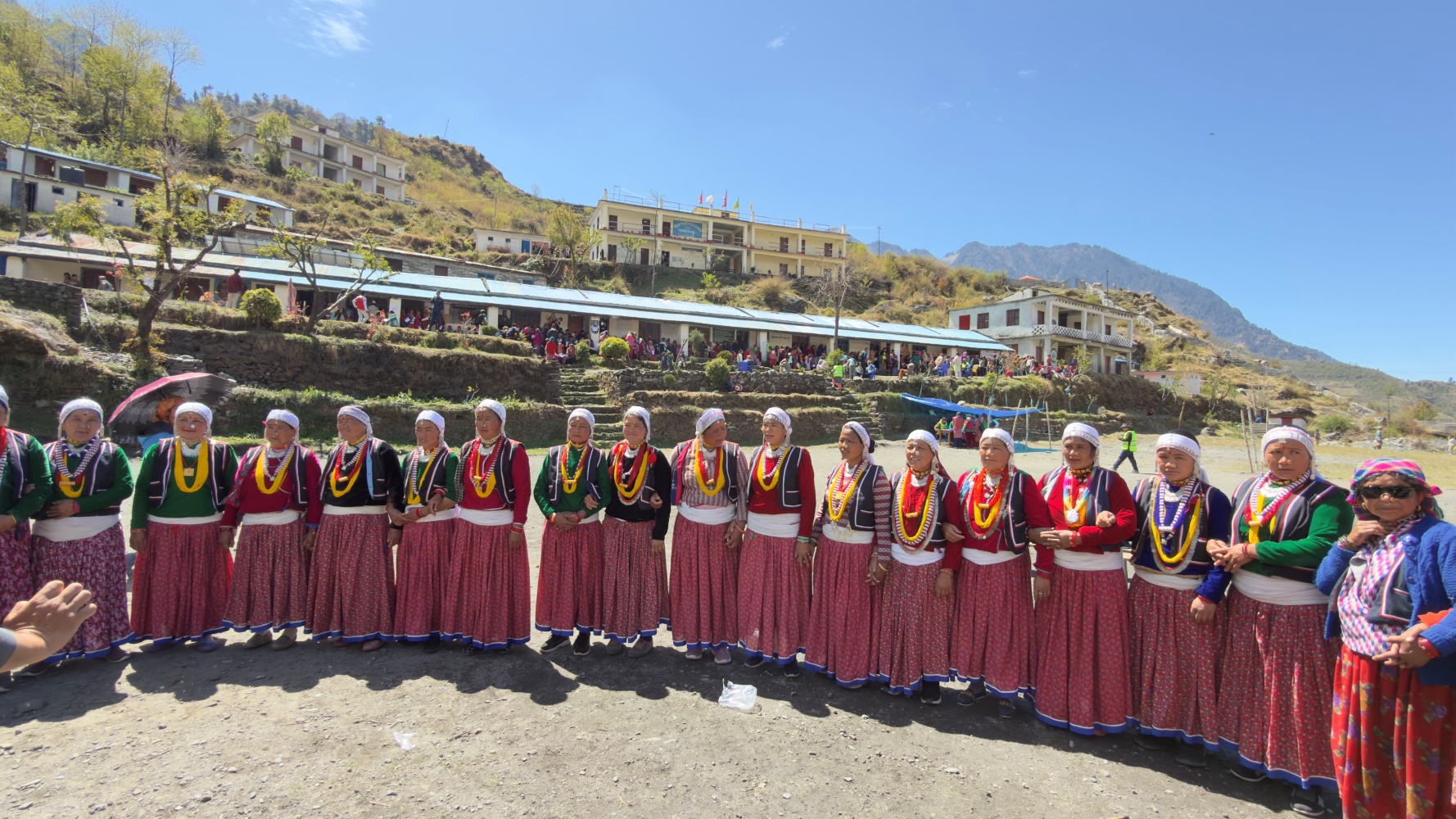
The rural municipality was awarded by the Ministry of Culture, Tourism and Civil Aviation on the occasion of International Tourism Day last year. It has also been organising exposure visits for Indian influencers believing that even a small number of tourists from across the border could contribute to the local economy.
The municipality has allocated Rs70 million to build a cricket stadium at an altitude of 2,600m, hoping that the location and scenery itself may make it a tourist attraction — and not just for cricketers. Which was why locals were so excited when the prime minister himself decided to share a video.
Says Chair Bohora: “We are selling every aspect of tourism--sports, wellness, medicine, cultural performances are all on our menu. Visitors get their money’s worth and the full package.”