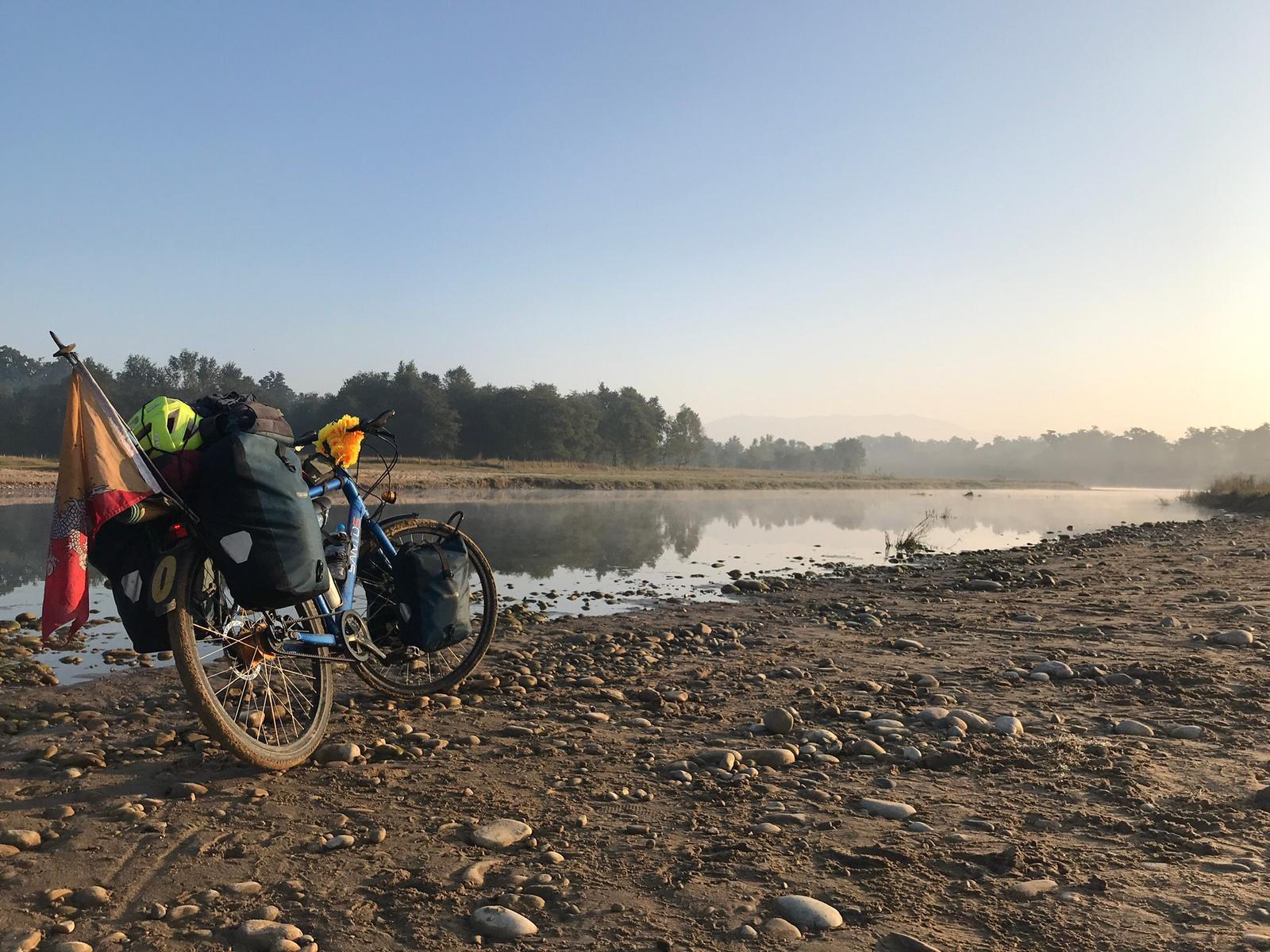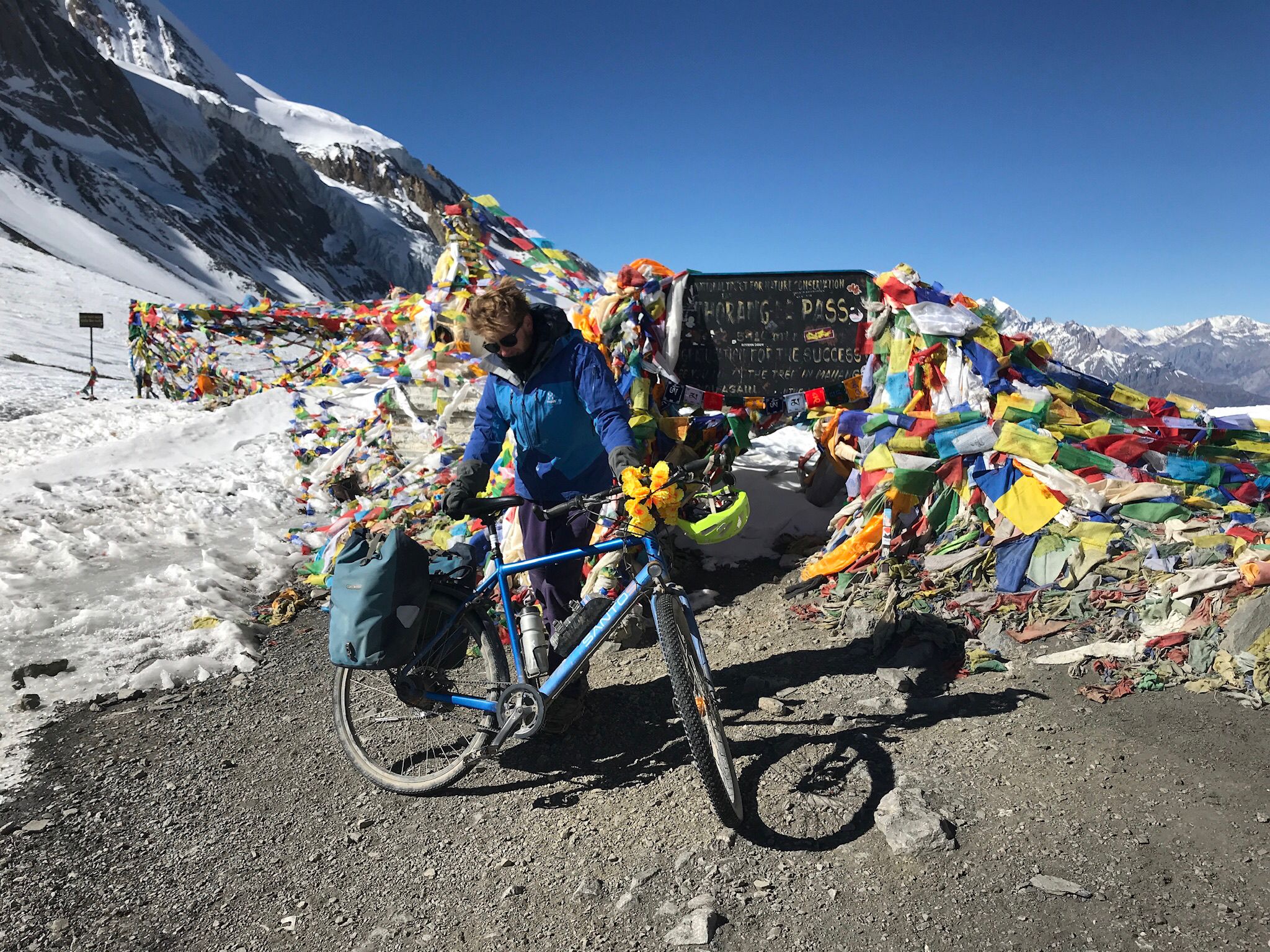
At international climate conferences, delegates from Netherlands and Nepal always sit alphabetically next to each other. Now, a Dutch cyclist has pedalled all the way from one country to the other to highlight how climate collapse is affecting a land below sea level to the world’s highest mountains.
Dutch-national Guido van Enckevort, 33, believes not owning a car and not flying can reduce our ecological footprint, and he is putting that into practice by bicycling everywhere.
“The entire system should change, not just individuals,” he says. “But people like me who do not have to worry about our next meals also have a moral responsibility to change our behaviour.”
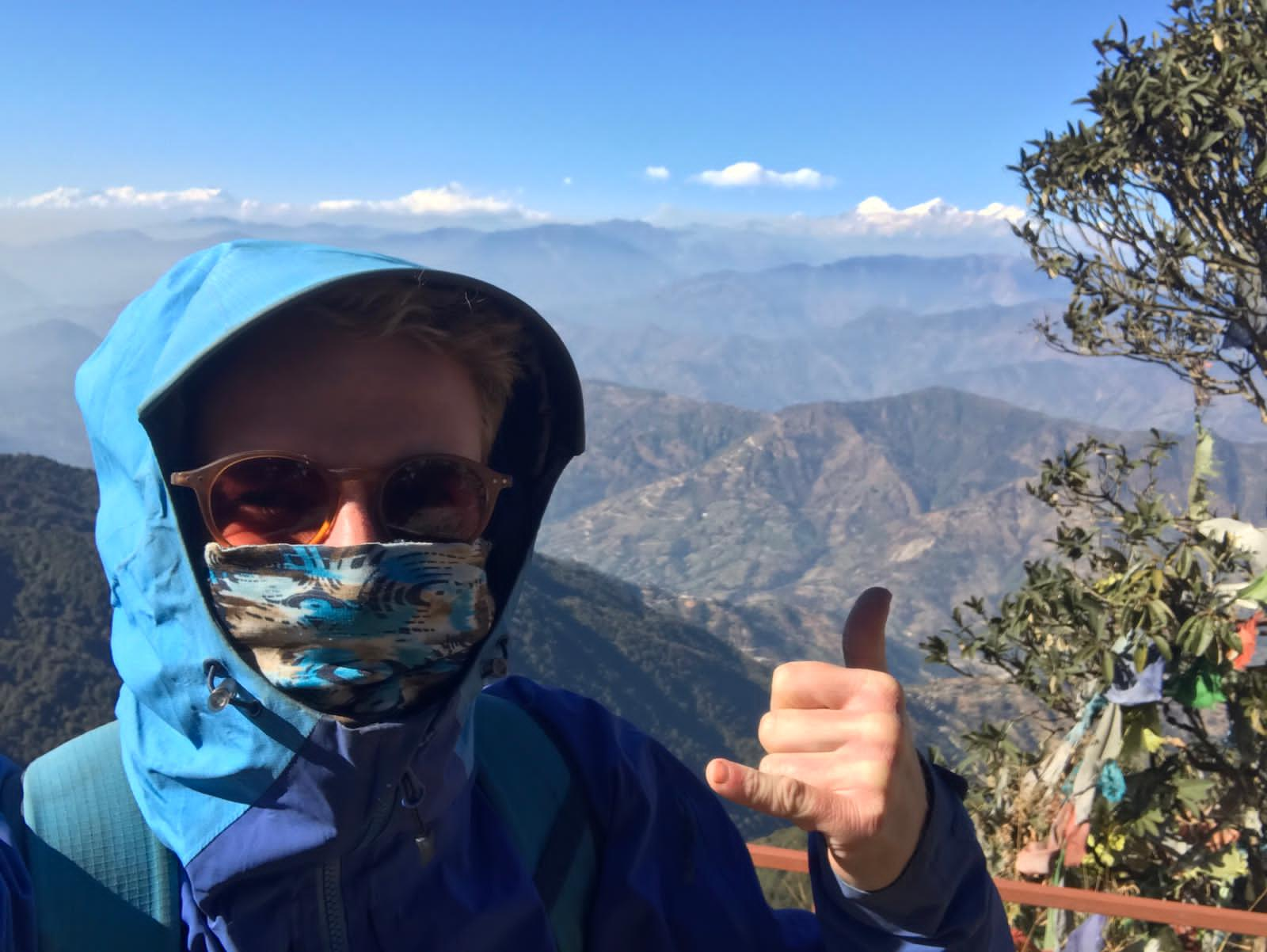
Van Enckevort does not own a car or fly anymore, and in March 2021, he started out on his bicycle named ‘Ziggy Two-Shoes’ travelling from the Netherlands, through the Balkans, Turkey, Armenia, and making his way into Iran, Pakistan, and India. He was in Kathmandu last week before moving on to Bhutan.
Read on: Global crisis, local solutions, Sonia Awale
Along the way, he is collecting stories of how communities are adapting to the impact of climate change. In the Netherlands, van Enckevort was working as a policy adviser for the Ministry of the Interior to find ways to transition from fossil fuels to renewable energy.
He arrived in Nepal three months ago, and says slow travel by bicycle means he sees more, and it makes him more considerate as he has to think about food and navigation. The notions of time, home, nationality blur while propelling himself on two wheels.
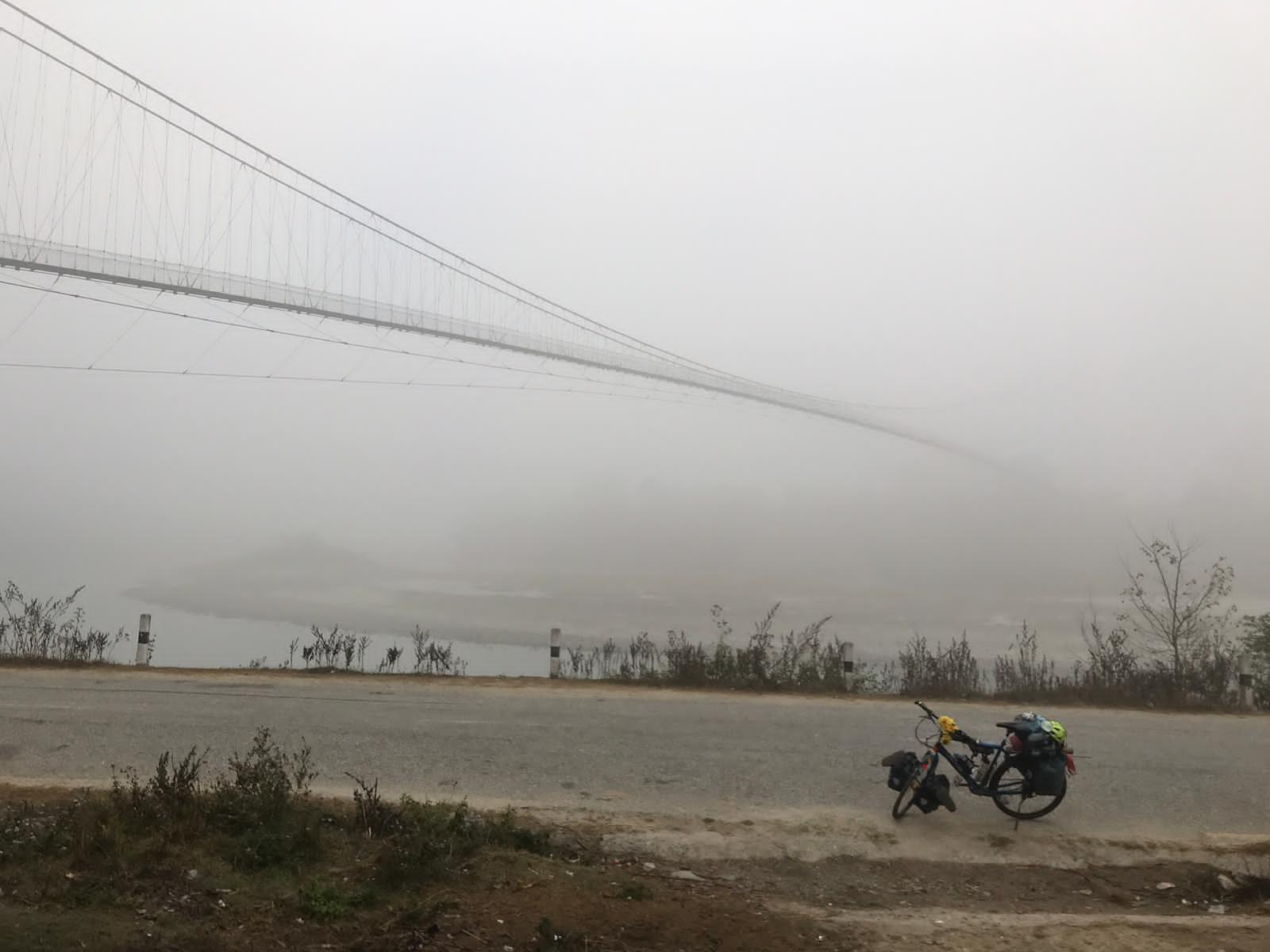
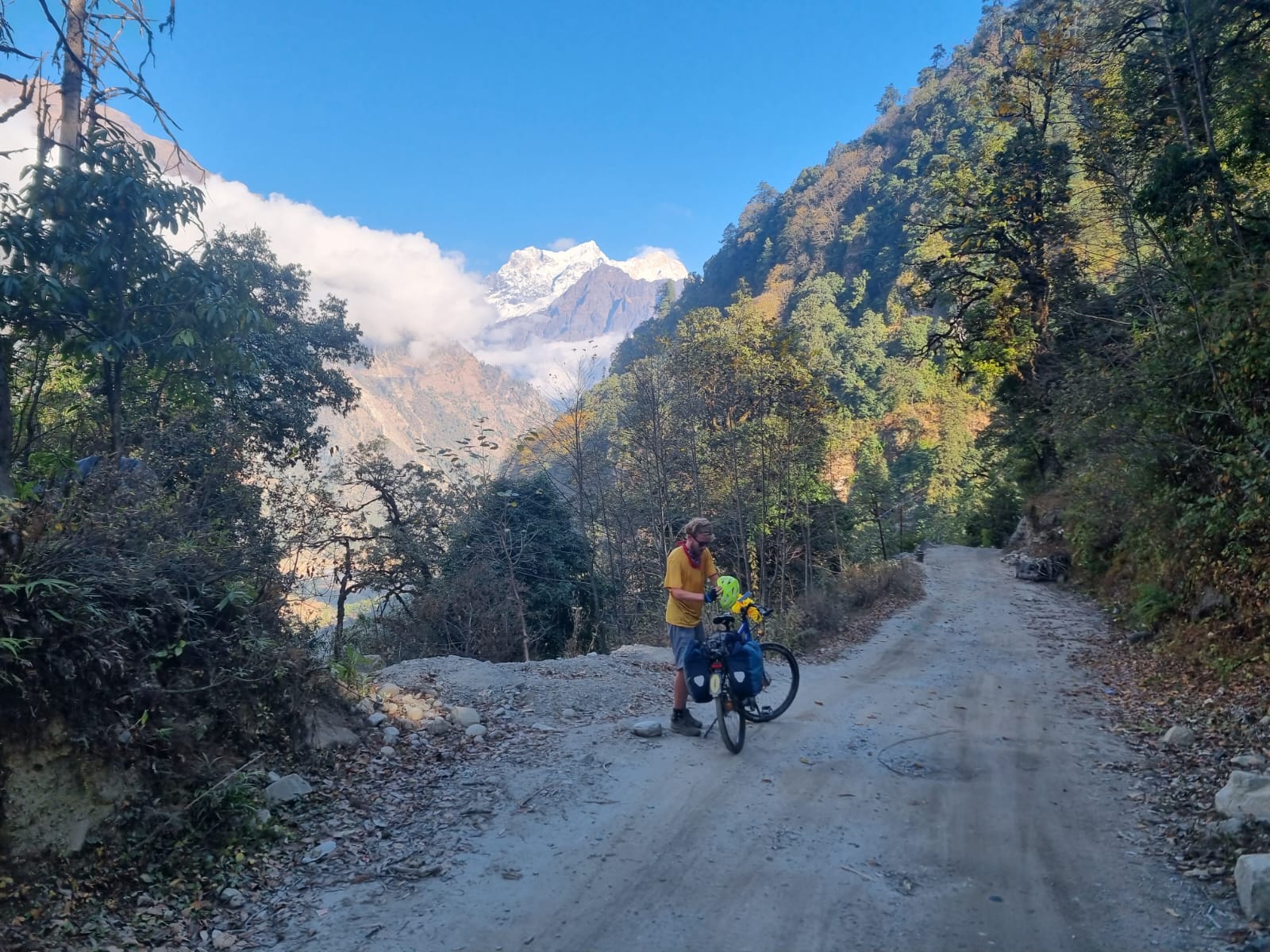
As he was crossing over from Pakistan to India, van Enckevort noticed that the only thing different about the people on two sides of the border was religion, otherwise everything was the same.
“One starts to see how similar people are on both sides of borders, how cultures influence each other. You understand the world a little better this way,” he muses.
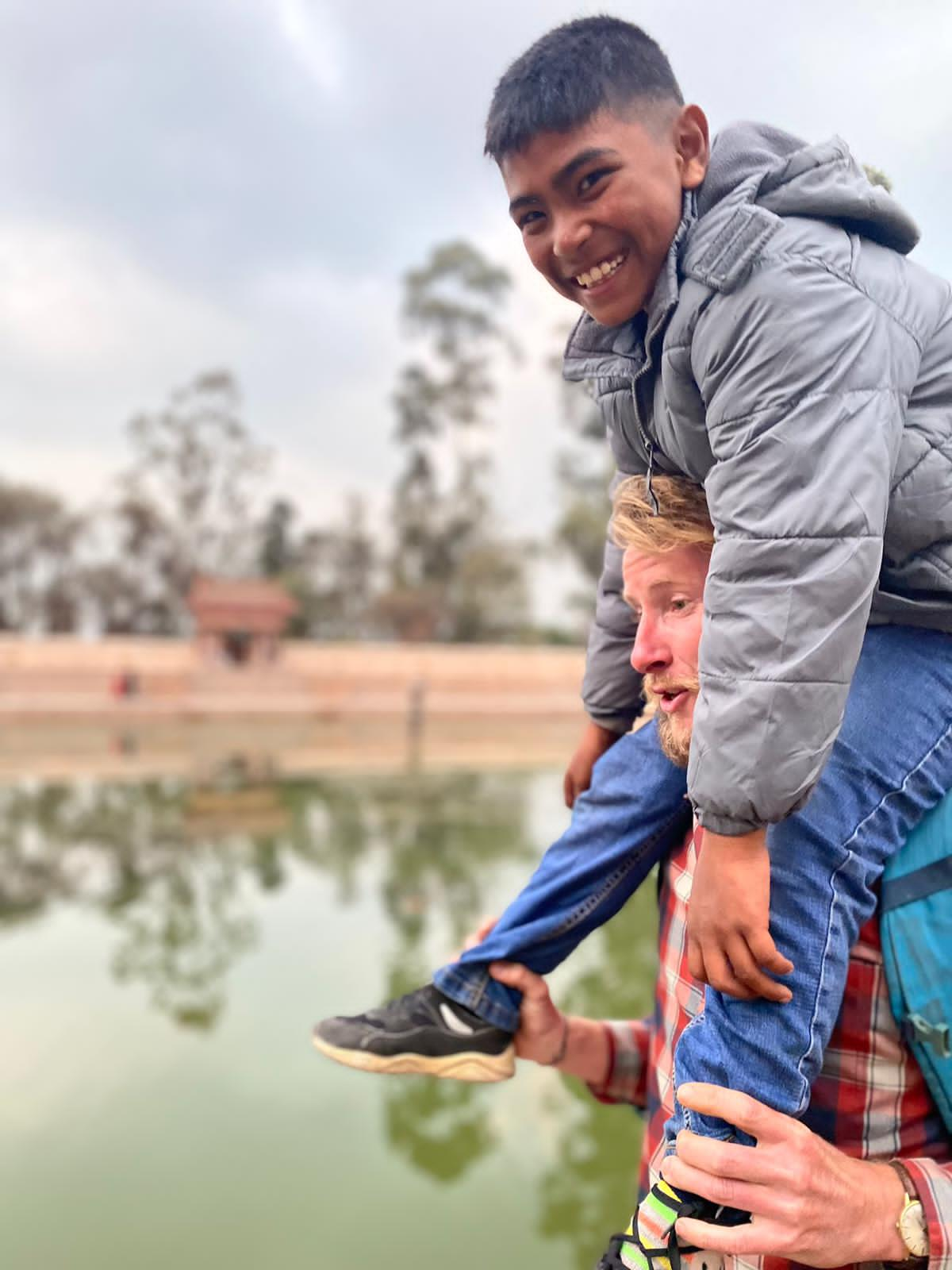
And as soon as van Enckevort crossed over from India, he knew there was something unique about Nepal. In a village outside Bardia National Park he played football with local youngsters at the edge of the jungle, as a golden sun set.
“During my nine-month cycling journey across Europe and Asia, I had played football in a dozen countries, but Nepal was different,” recalls van Enckevort, pointing out how the children passed the ball among themselves, and worked as a team, not as individuals. “Scoring didn’t matter and, most peculiar of all, the team’s possession of the ball was paramount, not scoring.”