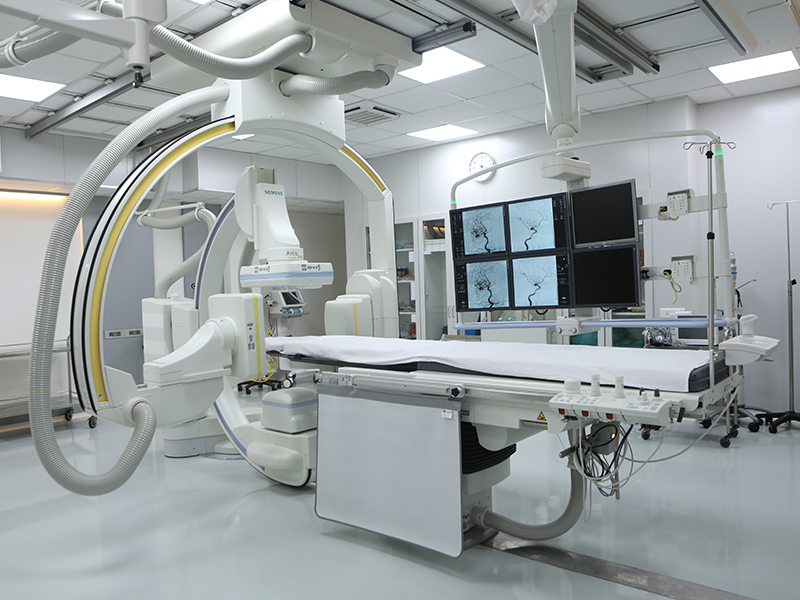
* A 32-year-old female patient was suddenly unable to move one side of her body. She was rushed to Upendra Devkota Memorial National Institute of Neurological and Allied Sciences (Neuro Hospital) where doctors used a new non-invasive treatment to remove a clot that was obstructing the artery supplying blood to her brain. The patient’s mobility was immediately restored and she walked out of the hospital.
* A man in his mid-fifties arrived at Neuro hospital five hours after suffering a stroke. He underwent the 15-minute procedure after which he could move all of his limbs freely.
The strokes could have been fatal for both patients if they had not been rushed to hospital, and if the new state-of-the-art mechanical thrombectomy procedure was not available.
The prevalence of strokes in Nepal has increased 40% in the past decade, and more and more younger people are suffering the condition that could paralyse or kill them.
Strokes are the third leading cause of premature deaths in Nepal, and ranks first for disabilities. A person somewhere in Nepal suffers a stroke every 20 seconds.
Doctors say a changing lifestyle and dietary habits, including heavier drinking and smoking has led to an increase in hypertension, diabetes, high cholesterol — all precursors to strokes.
Recent studies have also reported that people infected with Covid-19 have an elevated risk of ischemic stroke, adding to the burden of disease. Other risk factors include aging, congenital heart diseases, hormonal changes and pregnancy. Women are comparatively more prone to suffering strokes.
Ischemic strokes account for 85% of all cases, where an artery supplying blood to the brain is blocked damaging it. Haemorrhagic stroke, on the other hand, occurs when blood from a ruptured artery collects in the brain.
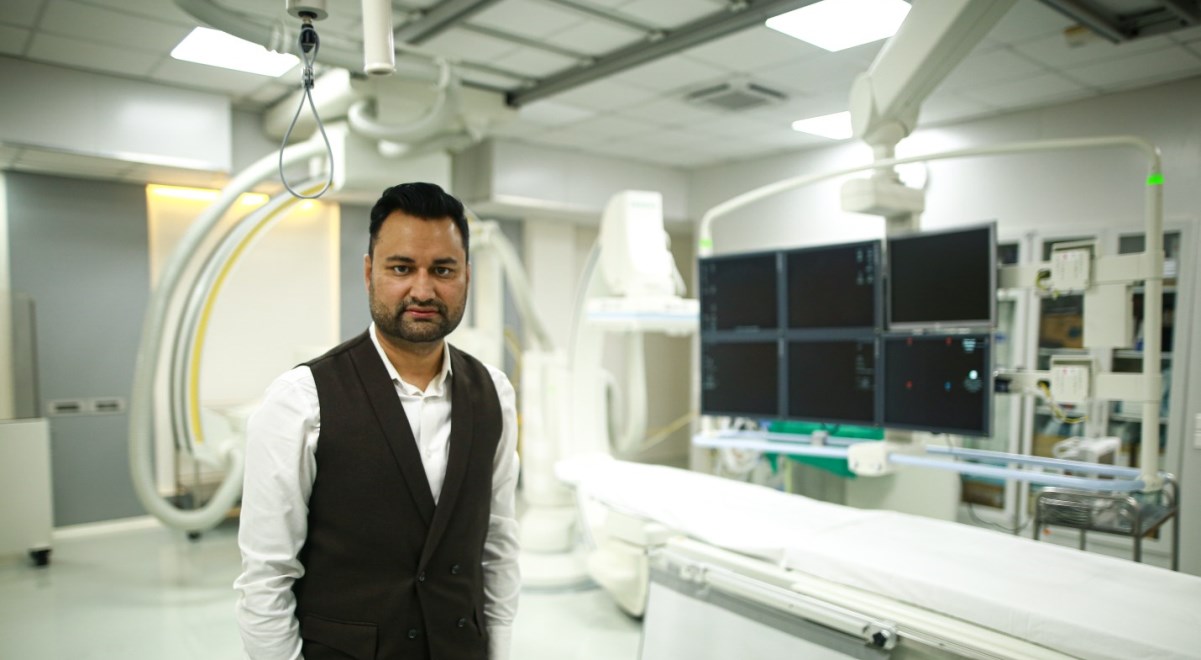
“A stroke is a medical emergency, especially ischemic stroke which can lead to permanent disabilities and even death if it is not treated immediately,” says Subash Phuyal, Nepal’s first interventional neuro-radiologist at the Neuro Hospital in Bansbari.
In fact, speed is of the essence to save the life or prevent life-long paralysis of a patient. But patients in Nepal often are not aware of symptoms and get to hospitals too late, where the right treatment may not be available.
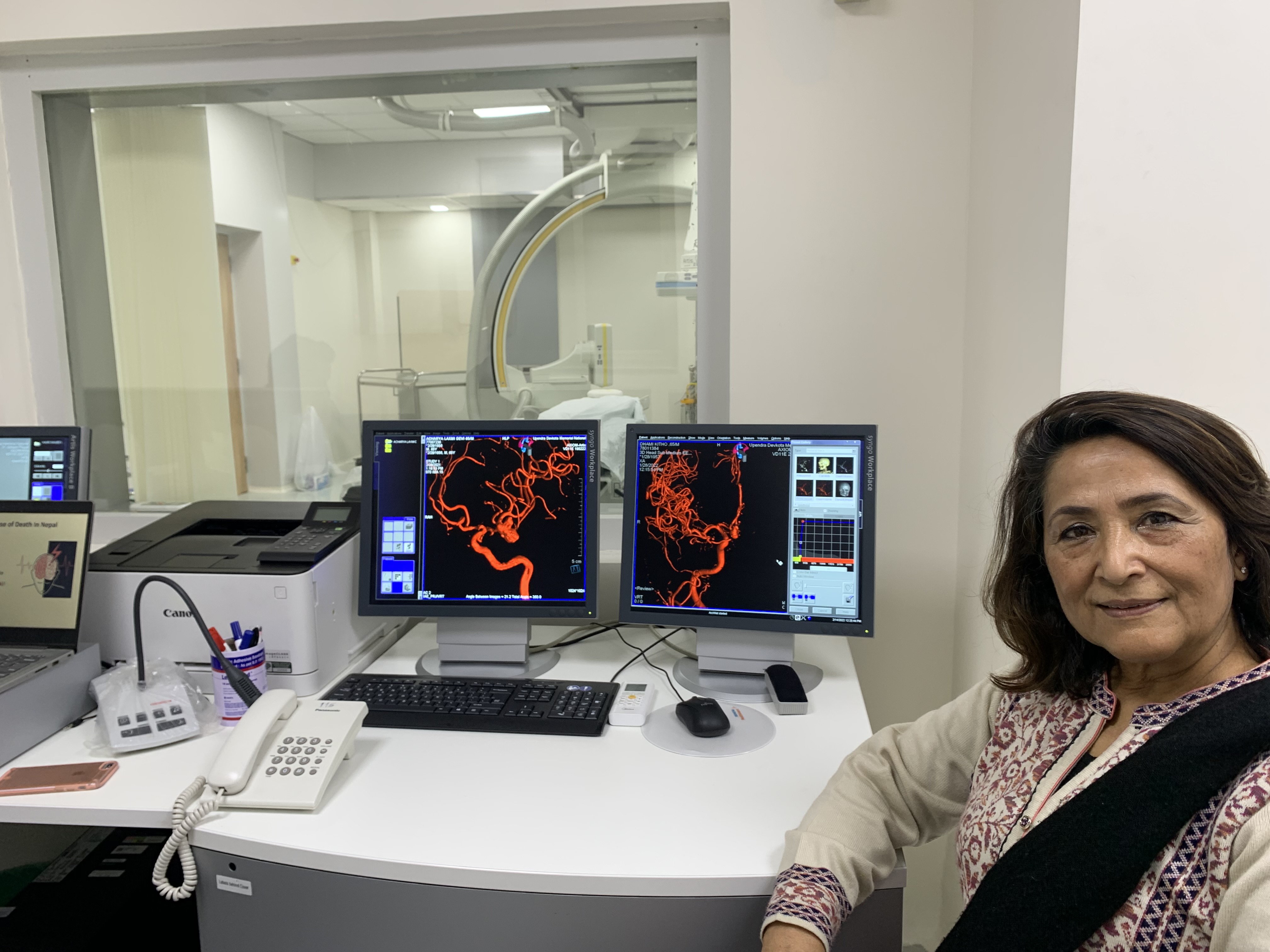
Unlike a heart attack, stroke patients do not feel any pain, making it difficult to identify it. Which is why doctors have come up with the acronym BE FAST (Balance, Eyes, Face drooping, Arm weakness, Slurred speech, and Time) to identify signs of stroke in time.
Patients usually experience a sudden problem with their sense of balance, have blurred vision, double vision or loss of sight in one or both eyes. There could be facial drooping, weakness or paralysis on one side of the body, and slurred speech.
If a patient gets to hospital within four hours of a stroke, they are immediately given a medicine to dissolve the blood clot obstructing the artery, restoring blood flow to the brain. This treatment is effective in only 10% of patients.
Read also: New treatment offers hope for Nepal’s leprosy patients, Sonia Awale