
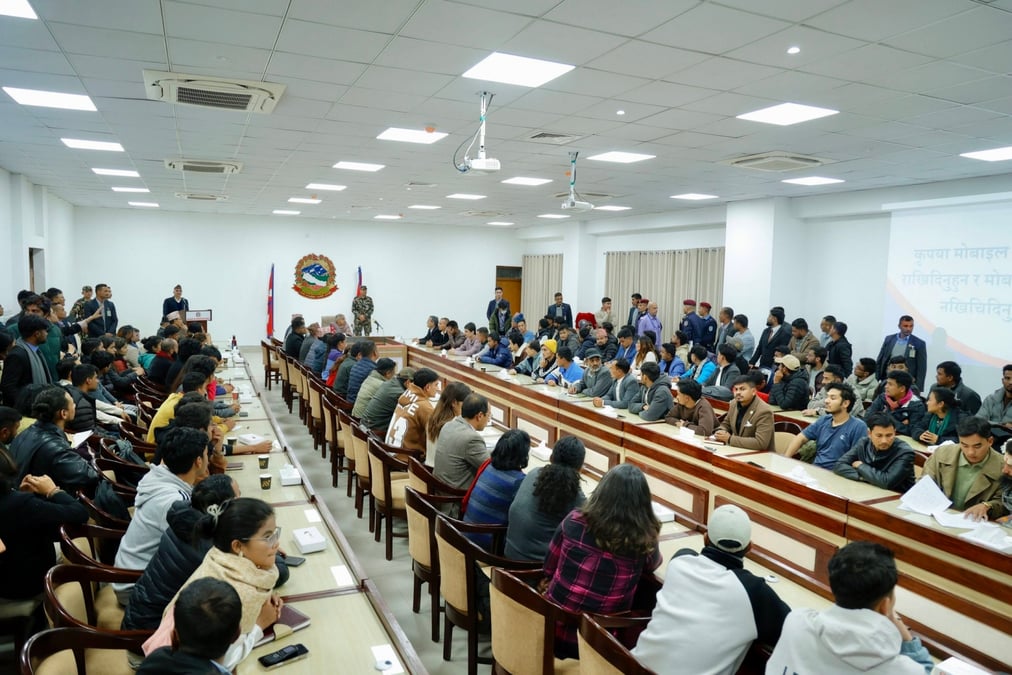
There is nothing like an election to focus the minds of politicians. So, with less than three months to go for the 5 March political parties both new and old are in full preparation mode.
The UML and the NC are following a two-pronged strategy: filing separate writ petitions in the Supreme Court for the reinstatement of the House even as they prepare for their general convention to decide on tickets for candidates. election.
Following the alliance of Nepal’s left-aligned parties into the new Nepali Communist Party, the RSP and Bibeksheel parties have also joined forces.
“Old political parties that were supposed to defend democracy are themselves hegemonic, oligarchic, and exclusive, and patriarchal, and the only strong voices inside political parties seem to be coming from women like Binda Pandey, Usha Kiran Timilsina and Sumana Shrestha,” says political scientist Sucheta Pyakuryal.
She adds: “These parties are responsible for Nepal’s political decay, and there is little hope they will mend their rent-seeking ways and become more democratic and egalitarian.”
The new post-September political parties are trying to change that perception by projecting themselves as reform minded and clean, and navigating the dynamics of election preparation.
There are over 800,000 new young voters, and their ballots will be a key determinant in the outcome in March. Only a few youth leaders have formed their own parties, others are trying to decide which party to team up with. Others have partnered with career politicians who left their mainstream outfits out of frustration with their leaders.
“The newly-formed parties are relatively more inclusive, but they are also led by strongmen,” says Pyakuryal. “It remains to be seen how long we can sustain democracy if our only choices are these personalities.”
Activist Ojaswee Bhattarai is part of the five-member chair council of the Pragatishil Loktantrik Party launched by former Maoists Baburam Bhattarai and Janardan Sharma. Other members in the council include youth leader Ashok Jaiswal, Durga Sob, formerly of the Nepal Samajwadi Party, former RSP chief whip Pariyar, and another ex-Maoist leader and minister Sudan Kirati.
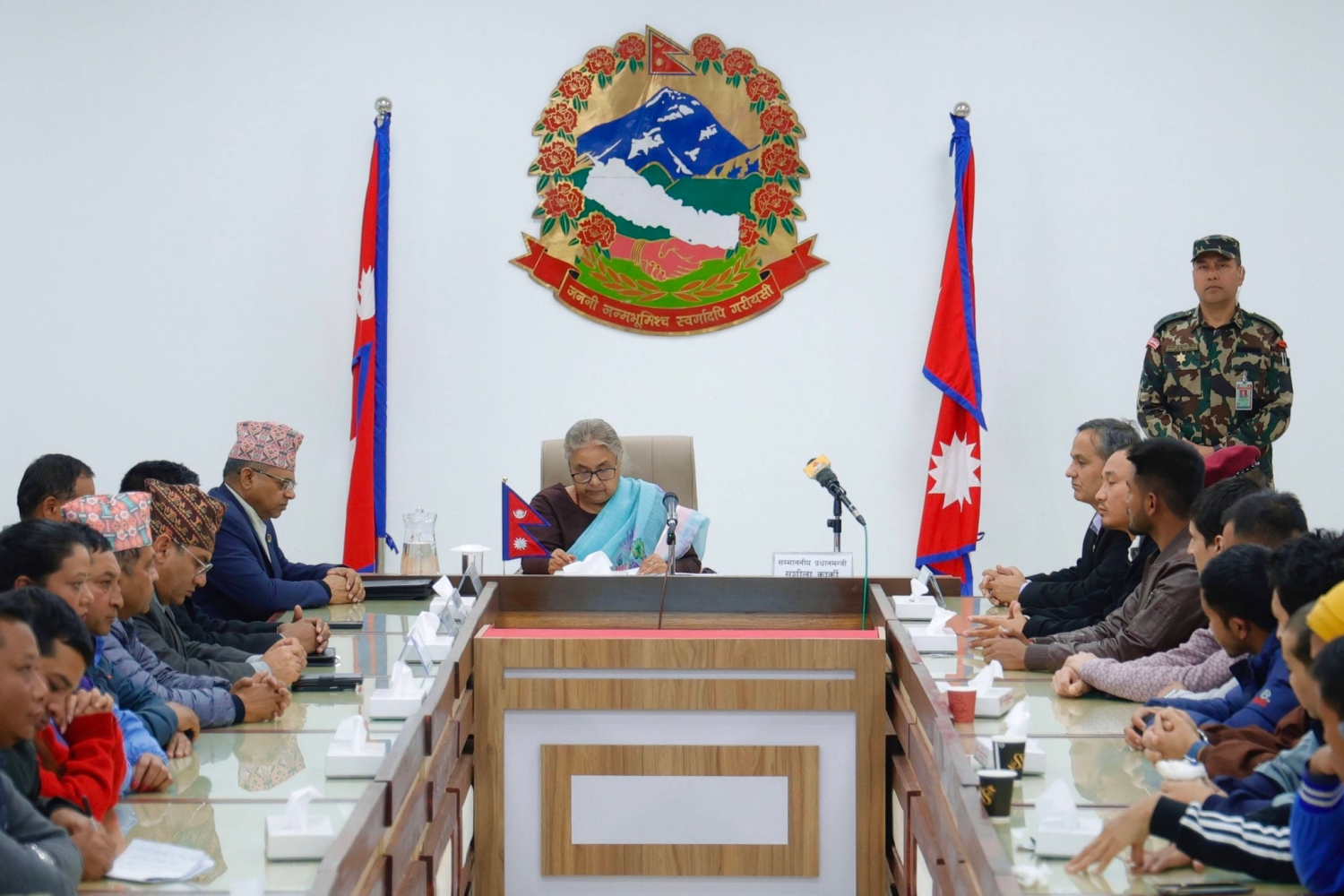
Bhattarai told a roundtable last week: “The movement exposed youth exclusion from decision making and resistance of political leaders, who themselves have been part of Nepali politics since their youth, to make space for a new generation.”
She added: “It is now crucial for young people to come forward and seek leadership positions, and take part in a process that has so far been limited to the political elite.”
It remains to be seen whether seniors in politics want to genuinely do a better job, or if they are simply looking for opportunities that were denied them in their old parties.
And not everyone is happy with older leaders pretending that they are with the youth.
Janardan Sharma, who left the Maoists after falling out with his former comrade Pushpa Kamal Dahal was heckled this week in his home district of Rukum West.
Although there is a youth wave, the three mainstream parties still have their ballot banks among older rural voters. And even in the cities, the disparate new parties and young candidates may dilute the vote allowing the established parties to retain their foothold.
Without a clear agenda, ideology, and institutional know-how, the new parties either risk being a flash in the pan or lose momentum after initial success.
“There is a huge opportunity for these new parties to onboard young political figures to push the agendas of young and marginalised Nepalis,” says Pyakuryal. “These new parties will also have a better chances in the polls if they unite under a single banner.”
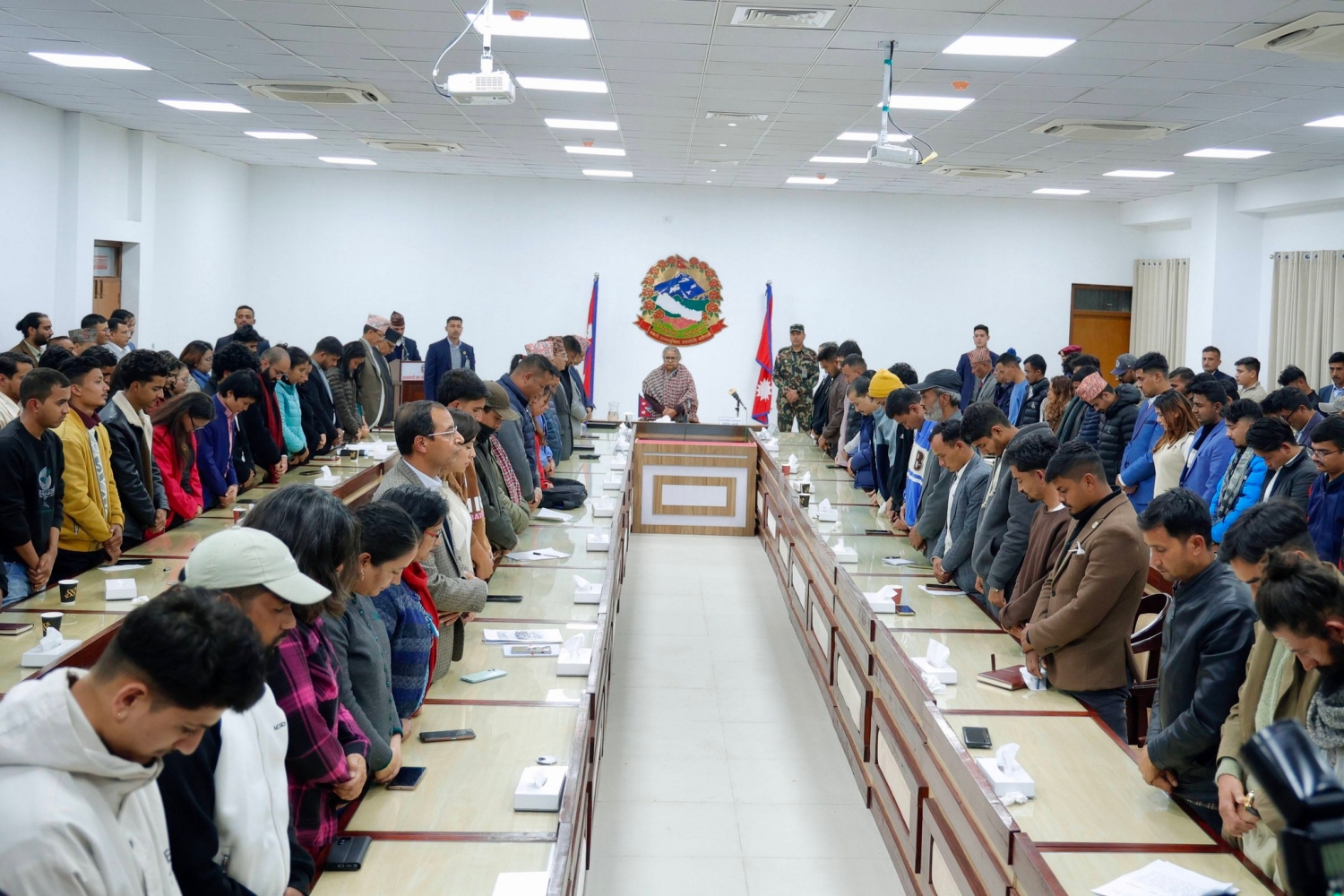
Former RSP minister Sumana Shrestha is yet to join any political party, but was present at the launch of the Ujyalo Party last week. She also urged new political actors emerging from the September movement to unite.
“Not working together will be like rolling out the red carpet for old parties,” she said.
There is anticipation about what plans Shrestha and Kathmandu mayor Balen Shah. Also closely watched are emergent figures like Birendra Basnet of Buddha Air, who may be keeping his options open for candidacy through the Gatishil Loktantrik Party he recently formed.
Basnet has put forward a strategy to overhaul the aviation sector as a metaphor for a new vision so Nepal can take off in future.
Kulman Ghising has faced some criticism for launching his Ujyalo party while still serving in the interim Cabinet. He is reportedly planning to resign as the election approaches to declare his candidacy.
Says Pyakurel: “Any new leader who contests the election needs to have political acumen as well as a strong sense of responsibility and ethical accountability, not just charisma. They will need to approach Nepal’s socio-political and economic needs in a more technical, less political manner as they put forward their ideas of reforms before voters.”