
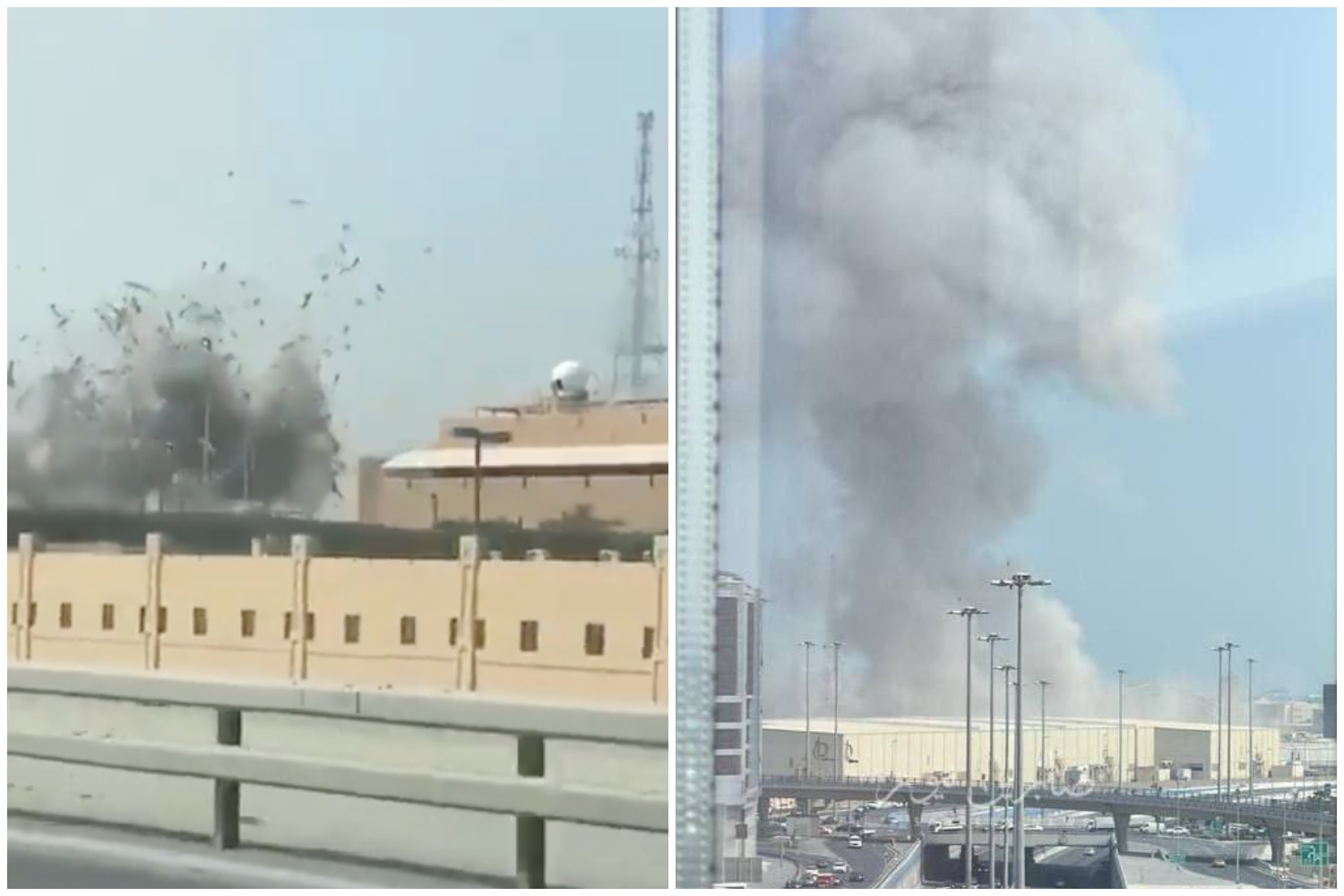
On Saturday, Iran retaliated with missile strikes on Abu Dhabi, Dubai, Bahrain and Qatar, a region where there are an estimated 2 million Nepalis working to send money home.
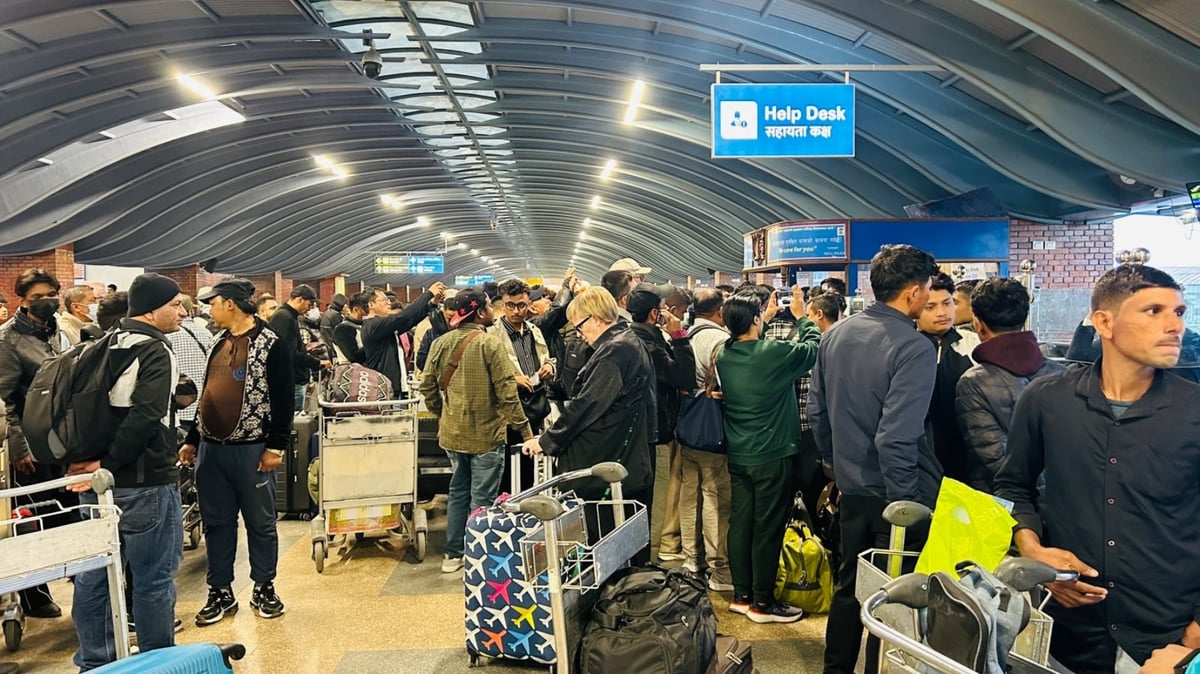
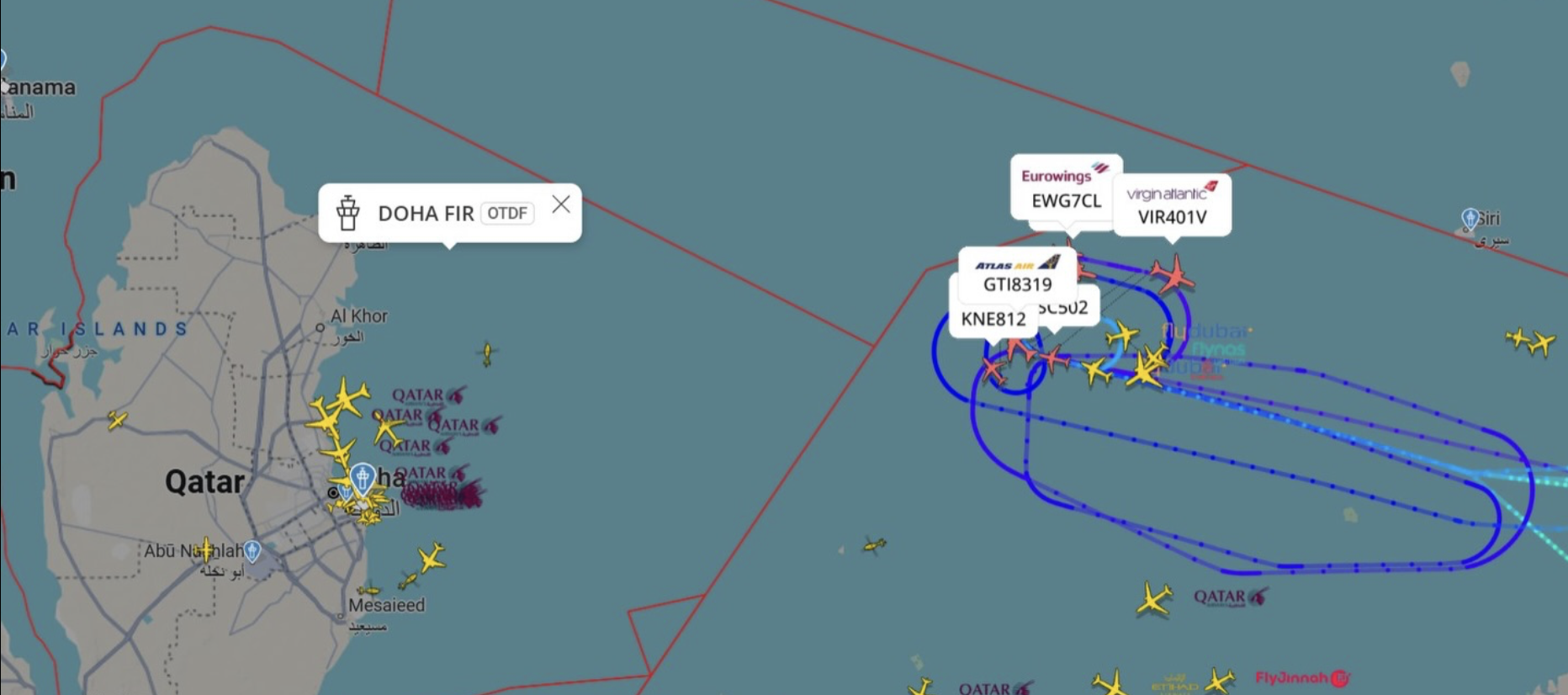
In addition, thousands of Nepalis were preparing to board flights to Kathmandu from West Asian cities this weekend to vote in the 5 March election. Many are said to be stranded at various aviation hubs. A Qatar Airways flight from Doha took off just before the air space was closed, while Air Arabia and Kuwait Airways have diverted or cancelled flights.
Nepalis in the West Asian region said things were relatively calm where they were, although some heard loud explosions at about noon local time. In Dubai, some thought they were Ramadan fireworks.
In Kuwait, nearly 2,000 Nepalis working in the US military base as security guards and cleaners were evacuated before the strikes. In Bahrain where the US Fifth Fleet naval base is located and which was hit by two Iranian missiles, workers contacted by Nepali Times said the situation was under control and the authorities had told everyone to stay indoors and not use highways.
The conflict also coincided with the beginning of Nepal’s trekking and mountaineering season, and tourists were either on their way or planning to leave European and North American cities for Himalayan hikes. Most of them transit through Doha, Dubai or Kuwait and all three airports are closed. Turkish Airlines flights via Istanbul are still operating.
However, the main impact for the world could be a spike in the price of petroleum products if the strategic Strait of Hormuz is blocked. China relies on Iranian oil for their refineries, and Nepal could be affected indirectly if the economies of its neighbours are hit.
Nepal imports all its diesel, petrol, LPG and aviation fuel from India which sources it mainly from the Gulf, and until recently from Russia. Petroleum makes up 25% of the value of all imports, and that is more than Nepal earns from all its exports.
Saudi Arabia this year overtook the UAE as the main destination for Nepali workers, with the number now totalling 400,000. There are said to be as many in the UAE, and another 350,000 in Qatar. There are another 100,000 mostly women in Kuwait, and 50,000 each in Oman and Bahrain.
Nepal receives nearly $11 billion a year in remittances from overseas Nepalis (not counting India) through official channels, although the total is said to be much more. This makes up more than a quarter of Nepal’s GDP equivalent — one of the highest proportions in the world.
More than half of the overseas remittances to Nepal comes from its workers in the Gulf, and it is the mainstay of the country’s economy. Nepalis in Saudi Arabia, Qatar and the UAE alone send home more than $3 billion a year, much of that helping support their families back home.
An average Nepali worker in the Gulf sends home nearly $2,500 a year, and this is spent mainly for household supplies, children’s education and healthcare.
There are also an estimated 7,000 Nepali caregivers and healthcare workers in Israel, and most of them are women. The Nepal Embassy has asked Nepalis in Israel to take caution and move to bomb shelters.