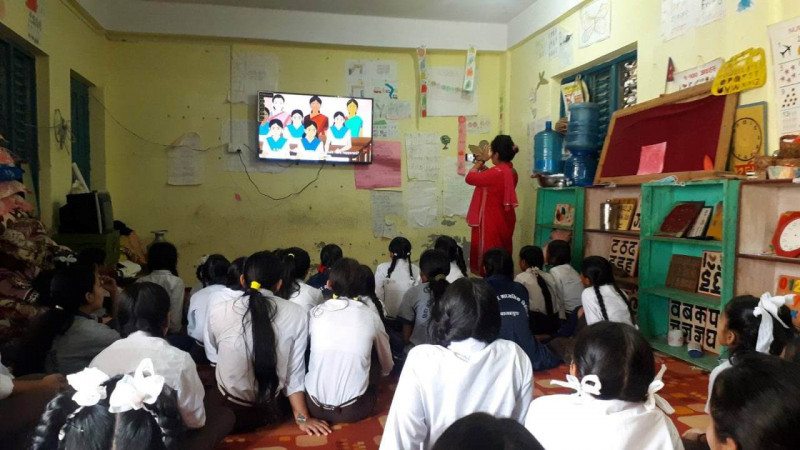
Nurse Sabita Gyawali goes to school bright and early as the first rays of the sun hit Mt Dhaulagiri to the north, and she gets to work right away.
Shen the students start arriving, she checks that they follow cleanliness routines, and teaches them how to wash hands properly. She provides first-aid to those who need it, and is responsible for the students’ physical and mental health.
But her main priority is to make sure that no student has brought junk food for lunch. In fact, she has prohibited packaged chips and noodles from the school grounds.
Gyawali has been a nurse for nine years, much of it at Kathmandu’s Sahid Gangalal National Heart Center. In 2019, she came to Baglung to work at Bidya Mandir Secondary school under the Health Ministry’s new 'One School, One Nurse' program.
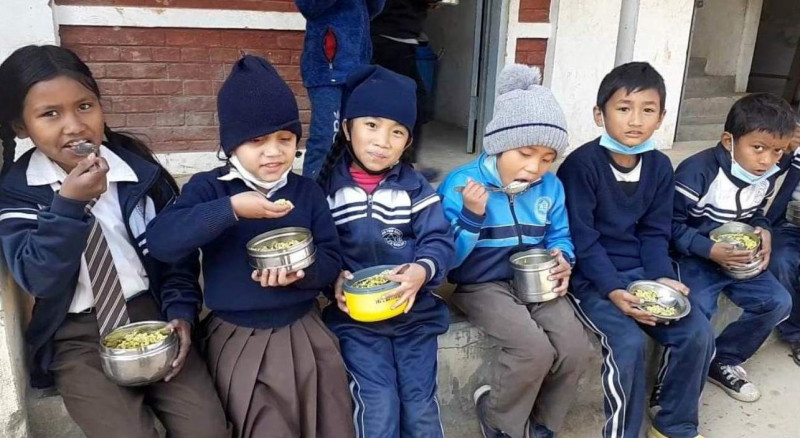
Once there, Gywali designed the school’s lunch menu and already there has been a positive change in the eating habits of students – even teachers.
“Initially, students from elementary to high school would eat packaged store-bought lunch, she explains. “It was very difficult to wean the children off their junk food habit, but it is now under control.”
The World Food Programme (WFP) has been managing school meals across Nepal for 45 years, and the government has been gradually assuming responsibility and expanding the project. Now, thanks to the initiative, students don’t go home for lunch anymore and attendance rates have increased, resulting in fewer dropouts.
However, there are challenges. The Rs15 per student charge for lunch is beyond the means of some students who have working parents, or are in single parent households, and there is not enough time to bring a tiffin box.
For some students, this means coming to school on empty stomachs. For others, it was cheaper and more convenient to buy quick-and-easy junk food.
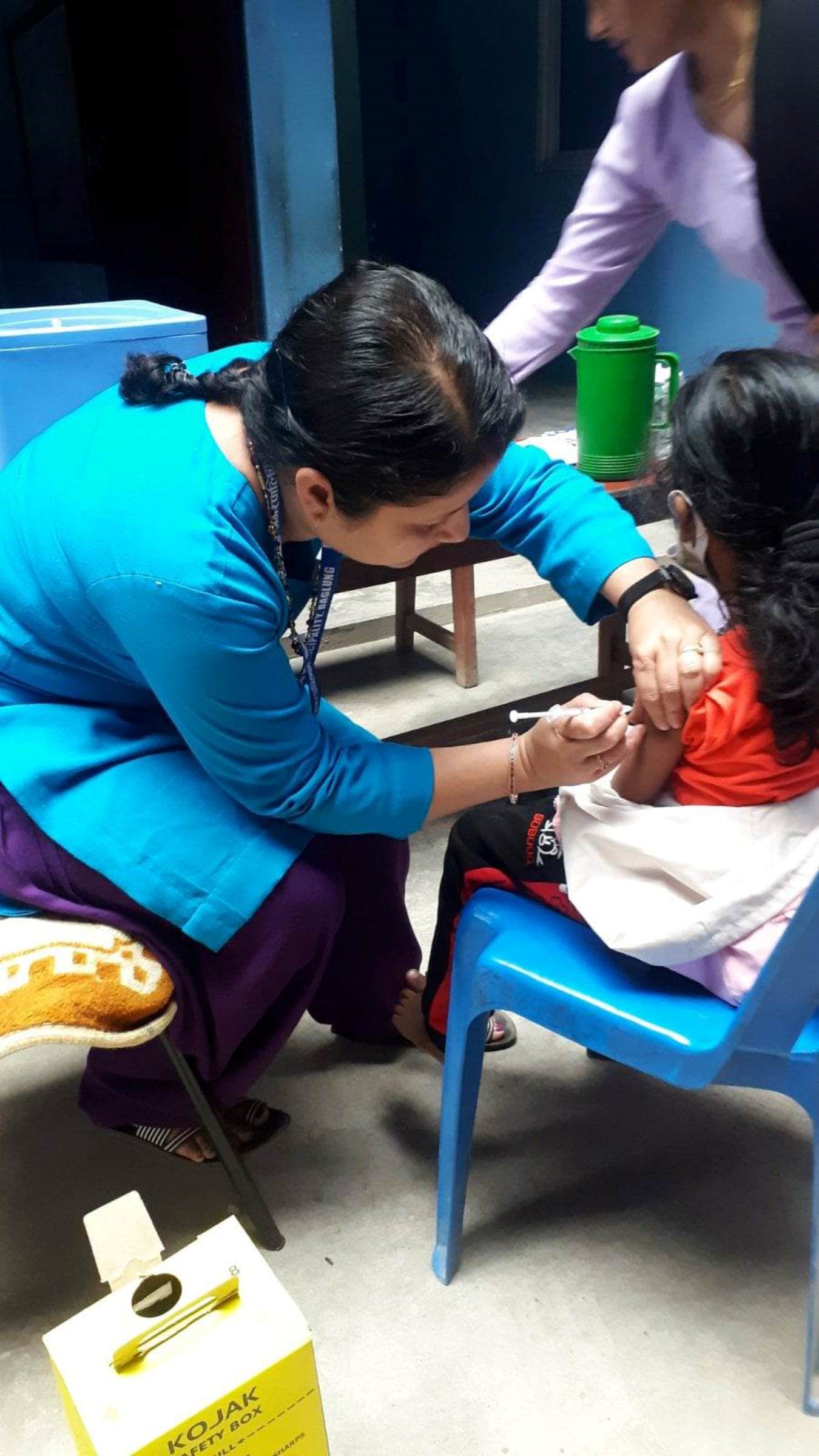
“The budget provided by the government was low enough that only little snacks or small meals used to be served," notes Gyawali, who then came up with a lunch menu that would fit the budget.
And while the school lunch menus made by the government might be applicable to rural schools, they do not work for public schools in urban areas with the same budget.
The other problem is not having enough nurses. There are 82 public schools within Baglung Municipality, out of which only five secondary schools have nurses.
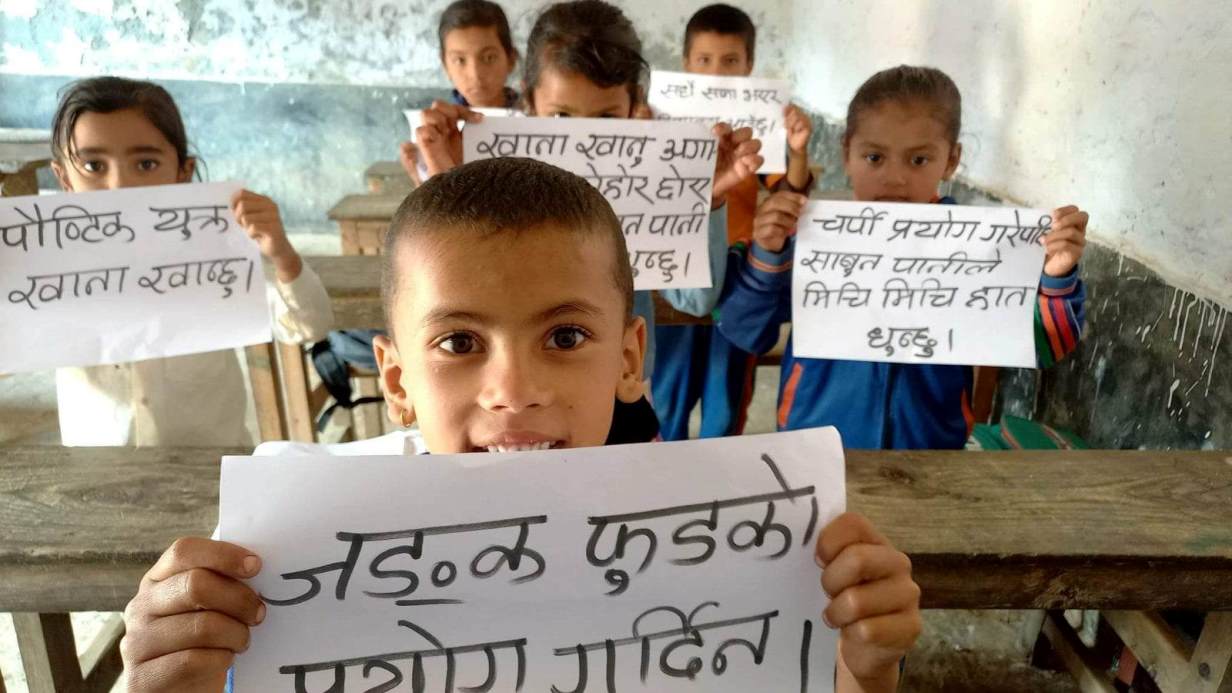
Ram Prasad Khanal, the head of the municipality's health department, says that the municipality has asked the state government to appoint nurses to all the schools. “Every school that has a nurse has shown positive growth,” notes Khanal.
At Bageshwari Secondary School in Bhaktapur’s Chyamasing, students have stopped consuming junk food for lunch due to the efforts of nurse Sajina Manandhar. “It is very difficult to take students off instant noodles, but we have managed to do it.”