
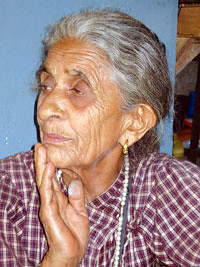
For two months, 57-year-old Ram Bahadur had been staggering around the house and feeling unsteady. He had difficulties turning over in bed, sitting, and getting out of his car. He was drooling, his handwriting became smaller, and his hands trembled while resting. Not wanting to whine, he kept quiet. However, as the months passed, his symptoms got worse so he finally went to see a doctor who told him he had Parkinson’s disease.
Parkinson’s disease occurs when certain nerve cells in the brain deteriorate and cannot produce an important substance called dopamine. As a result, the brain loses its ability to communicate messages about normal muscle movement. What causes these nerve cells to deteriorate is not known. But genetics and age play a huge role in the onset of the disease.
As in Ram’s case, patients may experience tremor in the hands and rigidity of arms, legs, and trunk with a gradual slowness of movement. Emotional changes are also often present, and simple tasks such as talking, walking, and eating may become difficult.
Although Nepali doctors are familiar with the disease, as with most other illnesses in the country, quantitative data is based exclusively on research carried out in developed countries. Approximately one percent of the 65 and older age group and 2.5 per cent of the 80 plus population are affected by Parkinson’s.