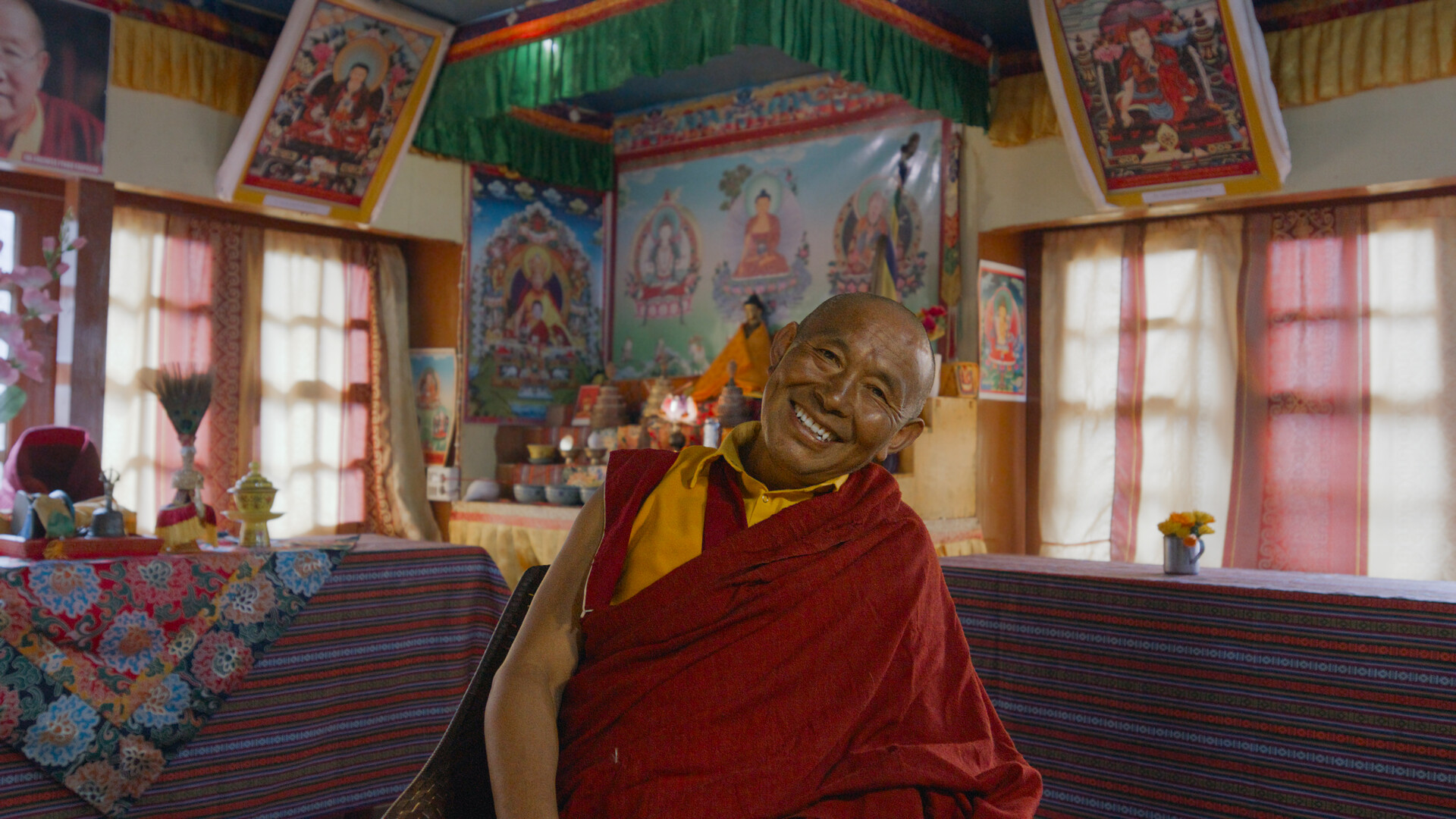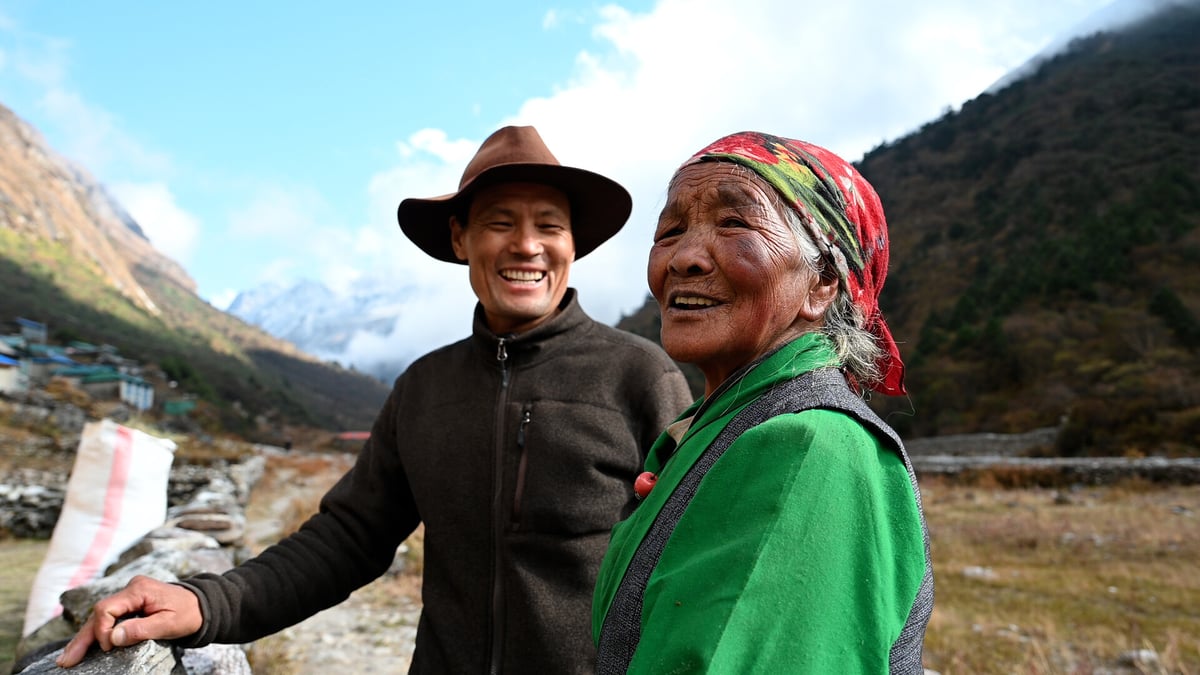
Summits represent the pinnacle of Nepal’s tourism industry. Expeditions make headlines, whether they succeed or fail.
Climbers endure hardship to conquer the highest peaks, capture hard-won photos, and earn entrance to an exclusive club. So, it is refreshing and exciting to find a constellation of new tourism stars twinkling in The Anti Expedition, a documentary by director Elena Jean (pictured below) at KIMFF 2026.

This short documentary is shot on location in Rowaling Valley to ponder the future of Nepal's adventure tourism sector. The story begins in 1971, with a film called Ferden Til Tseringma, when a trio of Norwegian climbers cross the Himalaya but refuse to climb the peaks. They seek joy in the journey and demonstrate restraint and respect by not trammeling on Nepal’s most sacred, forbidden peaks like Mt Tseringma, also known as Gauri Shankar.
That idea grips Bob Henderson, a Canadian outdoor educator. He brings a trio to Nepal 50 years after the Norwegians to find the people whose traditional resilience, hospitality, and deeply held beliefs so inspired those summit refusers a half-century ago. On arrival, they find that only 65 people remain in a once bustling village of Beding, below sacred Mt Tseringma.
Henderson screens the 1971 film in Beding, causing great delight as youthful selves and family members appear. This scene raises an interesting question: if The Anti Expedition is screened 50 years from now, would there be any people left in Beding, or would most have migrated to the city or abroad?
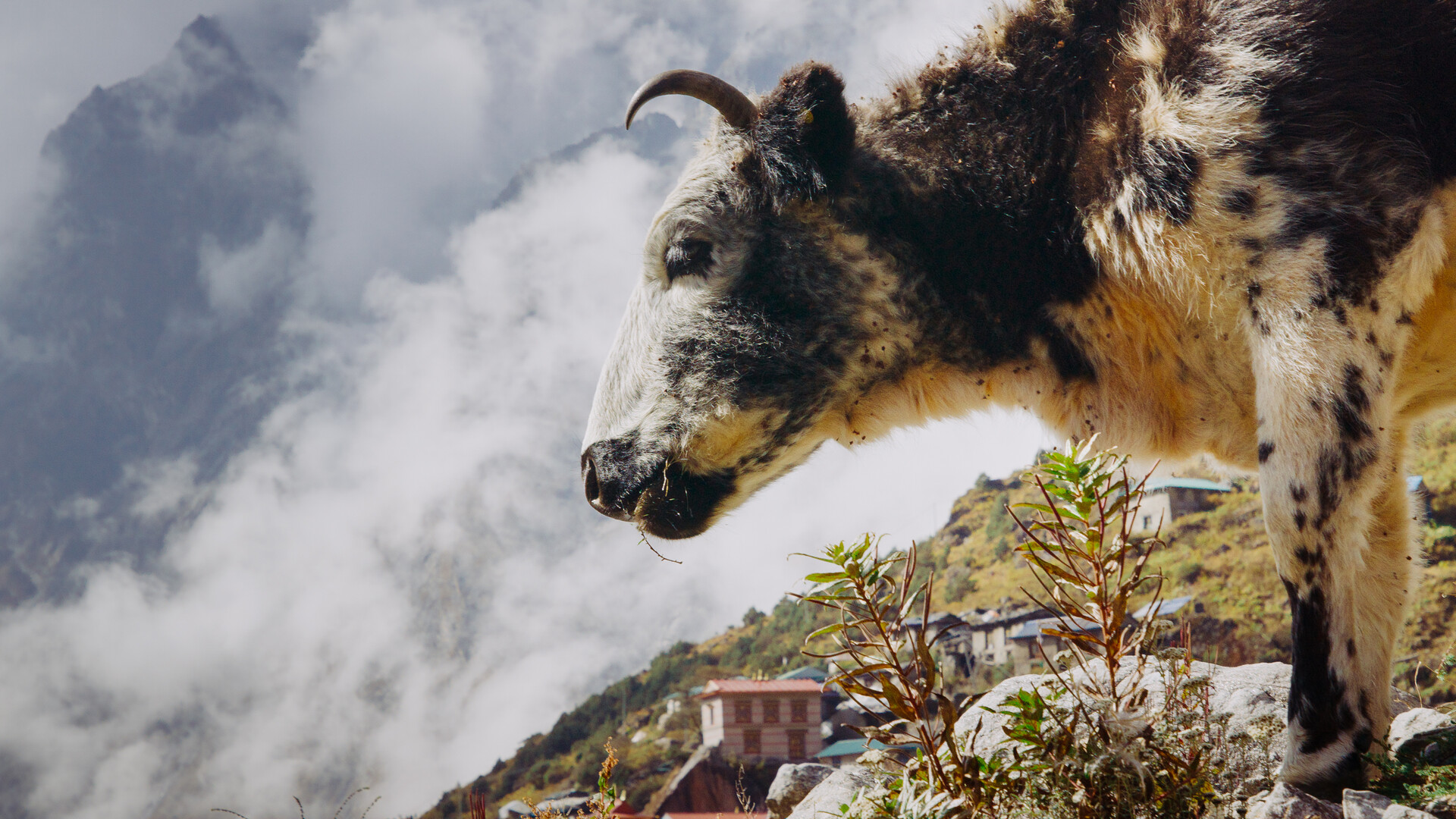
Then and now are juxtaposed through intercuts of fascinating archival and contemporary footage. The west face of Mt Tseringma, once covered in a thick icecap, now rises into the sky jagged and bare due to global warming. The people who live in her shadow tell us why this is happening, through an unforgettable tale of a transforming world.