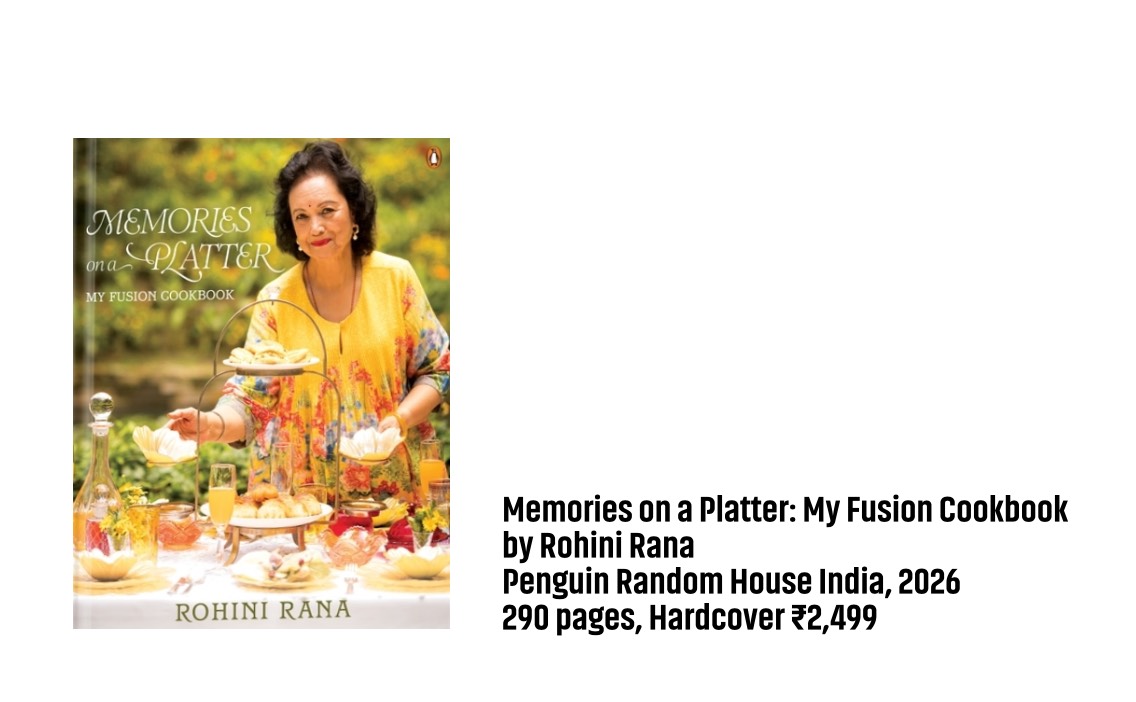
Rohini ‘Dolly’ Rana’s third book on culinary art, Memories on a Platter: My Fusion Cookbook, adds to the kitchen shelf another rich gastronomic hardback.
If this was Hollywood, the book could be called Nepal Cook Book – 3, a sequel to Rana’s first two that take foodies through Nepali cuisine that is as diverse as its ethnic richness, and an exploration of her Indian ancestry infused with Rana recipes (The Rana Cookbook: Recipes from the Palaces of Nepal). Both books have received mouth-watering reviews in this paper.
Memories on a Platter should not be confused with another book on Nigerian recipes of the same name. It is about combining the flavours, aromas and tastes of Nepali food with those from Rana’s own childhood in India with the menus she sampled from across the world where her husband, former Army Chief Gaurav Rana, was posted.
As with Rohini Rana’s previous recipe books, this is not just about the food but delves into the traditions, cultures, families, clans, kitchens, chefs that make them possible. In that respect, this book is almost a sociological study into the history and geography of foods.
In the timescale of human migrations, all food are actually fusion. Ingredients, preparation methods, presentation styles have all blended when people have moved. In the past, when transportation was difficult the outer perimeter of this influence would be defined by how far people travelled, and how often.
Today, with global connectivity and communication, distances have narrowed. Mobility makes the melting of diverse cuisines possible. As the numbers and frequency of foreigners travelling to Nepal and Nepalis visiting other countries grows, a foray into fusion was long overdue.
TESTED, TASTED
The danger with some fusion foods is that they lack the authenticity of the original item and not quite attain the impact of what it is being fused with. There is no danger of that with the recipes Rohini Rana has experimented with, tested, tasted and vetted before including them in her book.
“I have assimilated all the beautiful experiences of my life and travels and recreated original recipes as well as fashioned fusion ones,” says Rana, whose main food taster was her husband, who quipped at the recent launch of the book in Kathmandu: “Being a guinea pig for Dolly’s creations contributed to my girth.”
An example of how food can be improvised is Rohini Rana turning the humble original Samosa and combining it with the Sambousa of Türkiye, the meaty Sambousek from Lebanon. Same with Rana’s experiments with Gol Gappa, stuffing them with scrambled eggs and smoked salmon.
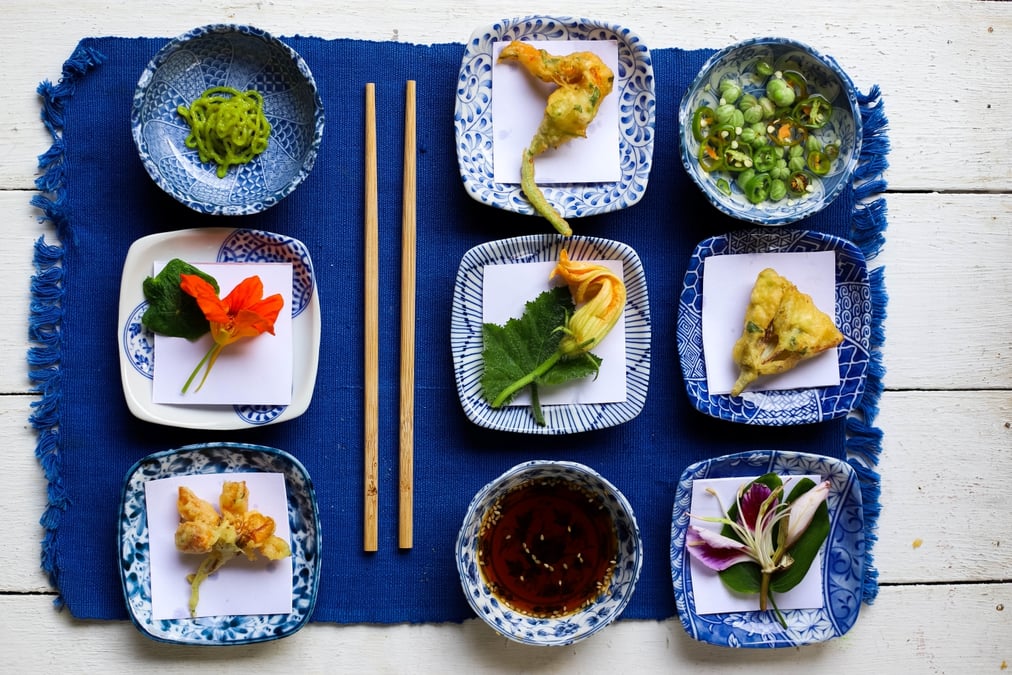
Even reading this has a Pavlov effect on the saliva. Take the Chola Bhatura, Papad, or Pakora from north India, fusing Japanese tempura with Indian edible flowers, Nepali Ferns (niuro) into Edamame.
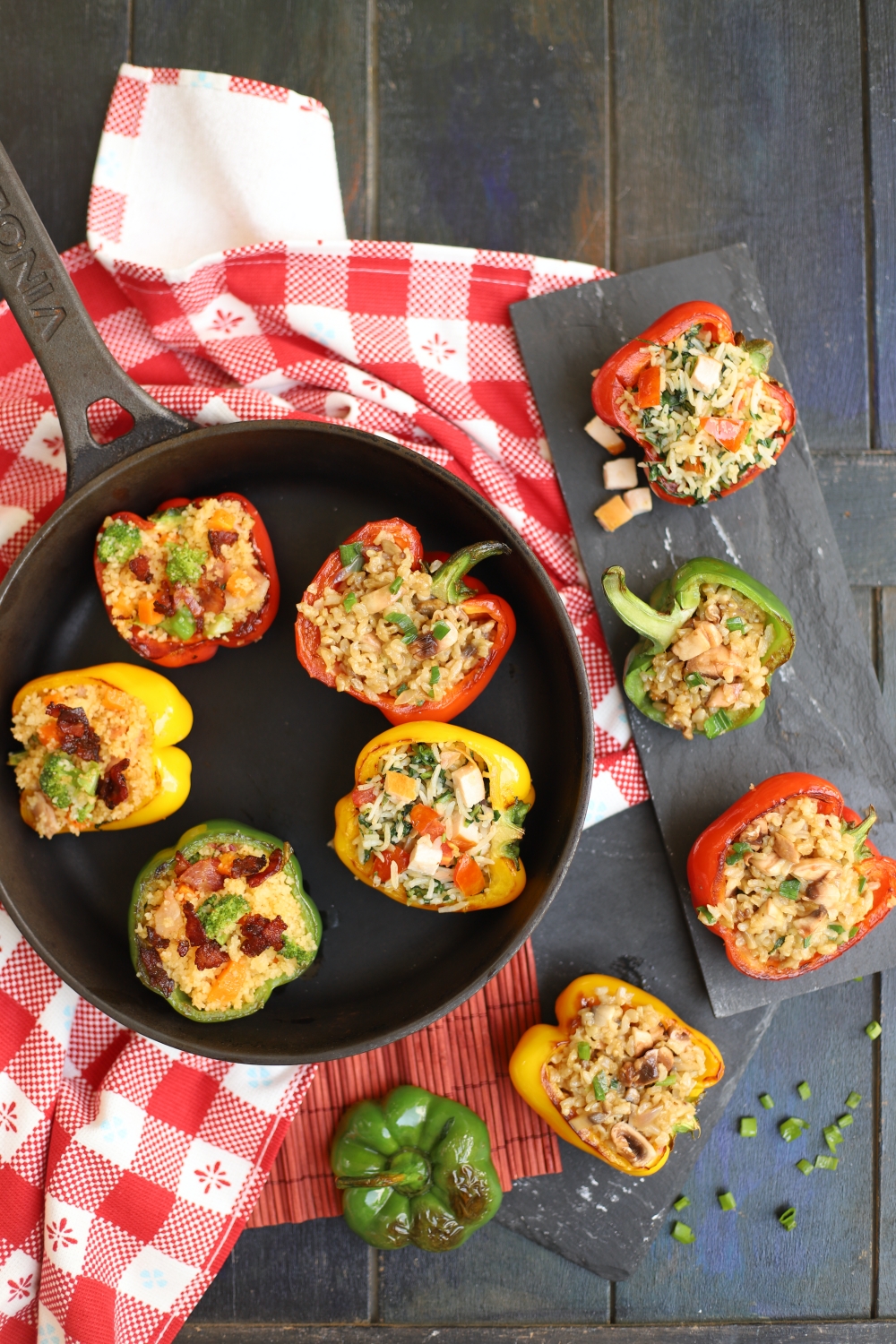
The book modifies Momo by wrapping pork dumplings into cabbage leafs. No carbs! Rana says getting on in years has prompted her to design recipes for peers that are light, nutritiously balanced and healthy.
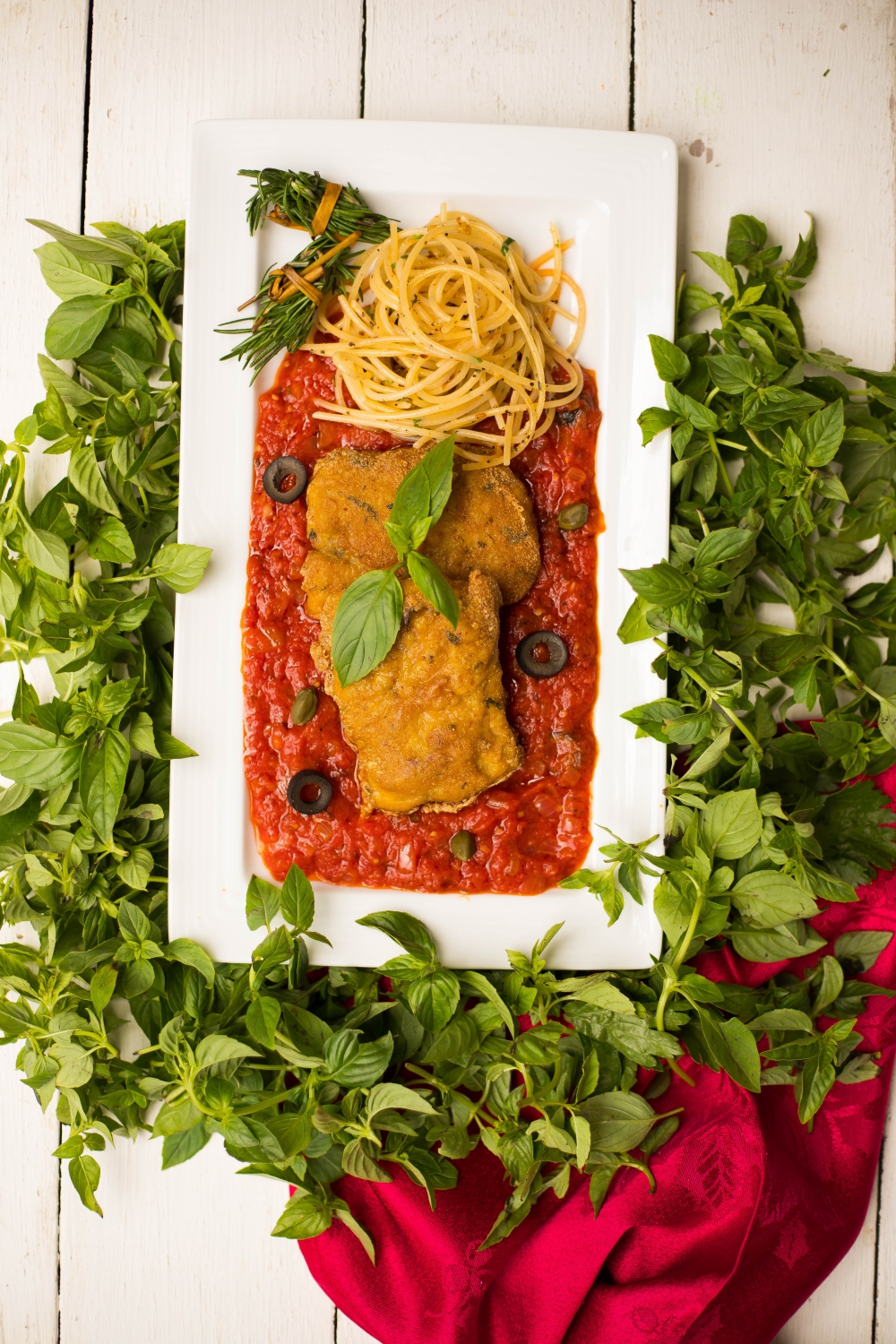
And those were just the starters. The middle section of the book gets into the main courses where we find exotica like Quinoa Pulao and Idli Hamburger, Buckwheat Crêpe, and Mutton Gravy with Scones.
And no book inspired by Rana cuisine can be complete without a wild boar dish. Rana’s previous books describe the traditional braised boar dipped in timur pepper, but here she turns them into a Grilled Steak with Sichuan Pepper.
Rana has taken pains not to get too carried away with her experiments, and has ensured that the flavours fuse in harmony to suit the modern palate.
The desserts are so tempting that readers with borderline diabetes may get a spike just looking at the pictures. Food photography is notoriously difficult, but Rohini Rana has collaborated with one of Nepal’s best, Mannsi Agrawal.
Can’t wait to try the khir with alu bakhada sauce, which sounds much more sophisticated in the book: Rice Pudding with Plum Coulis.
Writes Indian restauranteur Suvir Saran in the Foreword: ‘Rohini Rana shares more than recipes. She shares memory made edible, and love made visible. Read it slowly. Cook from it generously. Some books feed you for a night. This one teaches you how to feed others for a lifetime.’