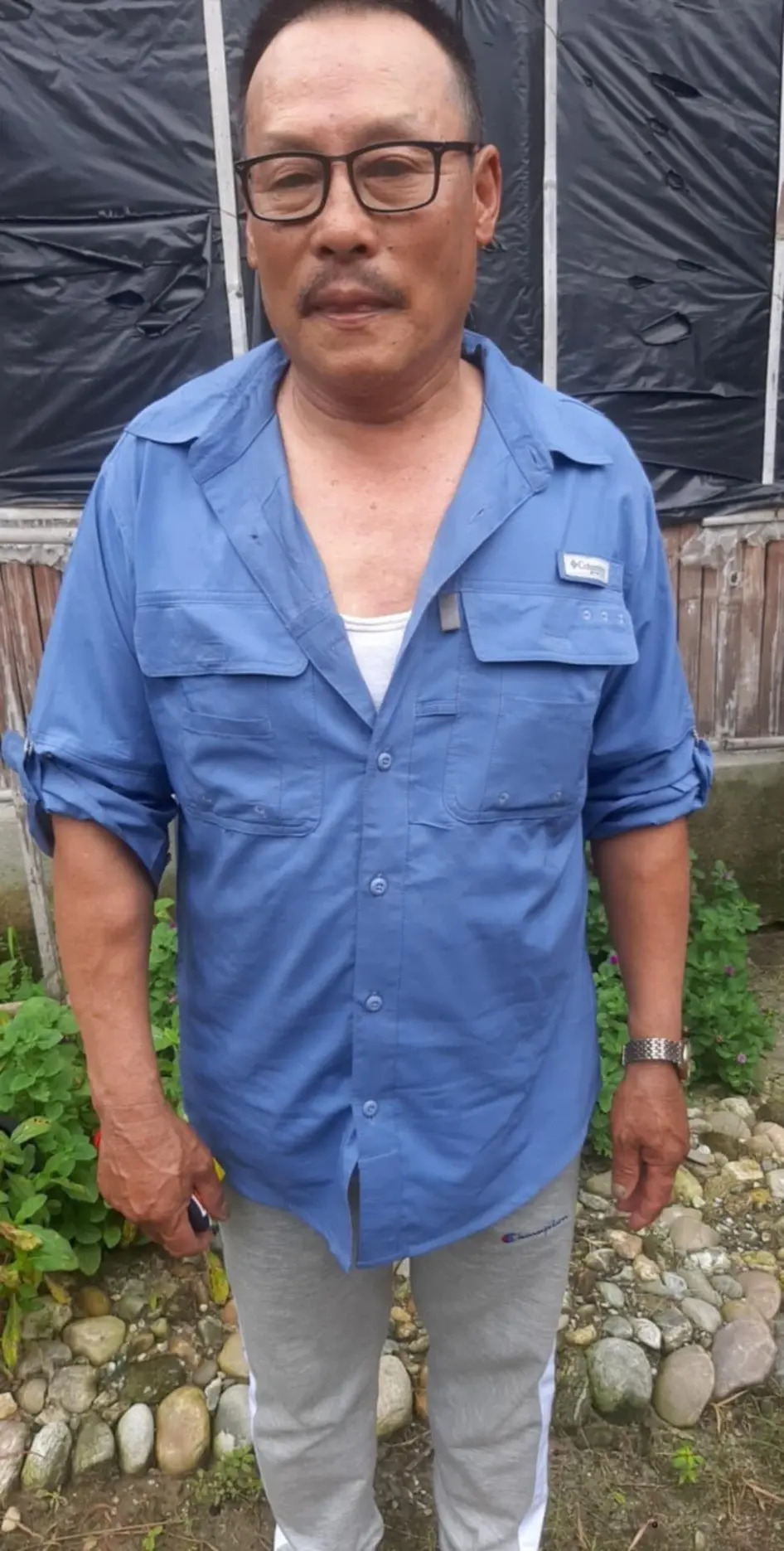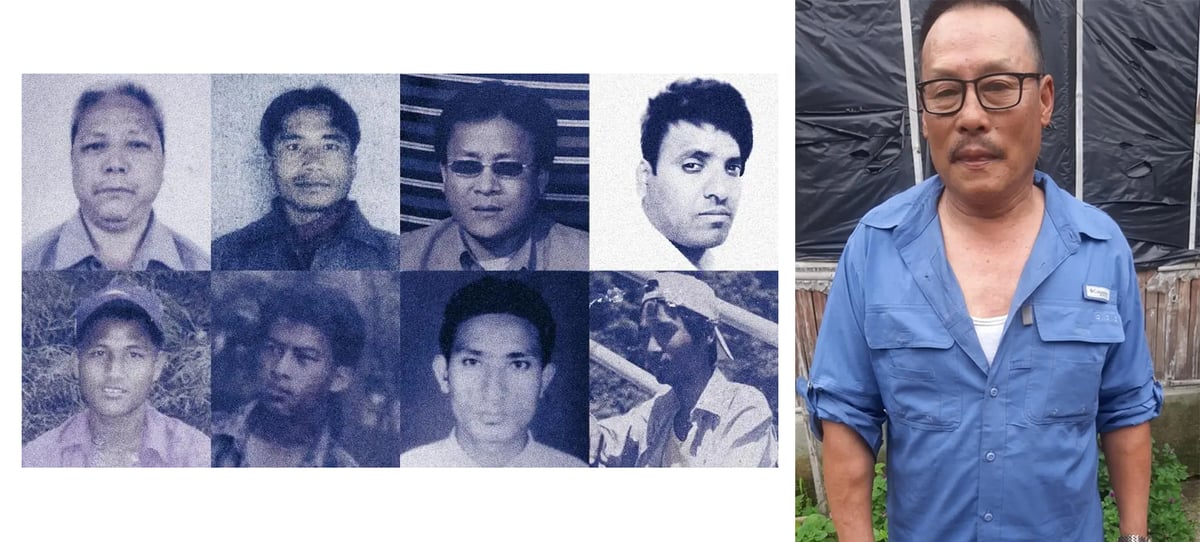
A man who served 30 years in a Bhutanese prison for distributing political pamphlets has said that political detainees like him are surviving on meagre rations and are reduced to using rice sacks for clothing and bedding.
Human Rights Watch called on the Bhutan government to immediately free its remaining political prisoners, who it said are kept in appalling conditions and serving lengthy sentences following unfair trials and torture.
Ram Bahadur Rai, 66, spoke with Human Rights Watch after he was released and deported after completing his sentence on 5 July. At least 34 other political prisoners are still in Bhutan’s prisons and most of them are Nepali-speaking citizens from ethnic groups of which 100,000 were expelled in the 1990s and lived in refugee camps in Nepal.
The tiny Himalayan kingdom has been a multi-party democracy since 2008, but it continues to hold prisoners accused of being opponents of the former autocratic system.
“Bhutan’s government cultivates an enlightened international image by propounding the theory of gross national happiness, but the blatantly abusive treatment of these prisoners tells a different story,” said Meenakshi Ganguly, deputy Asia director at Human Rights Watch. “While the Bhutanese government attempts to strengthen its ties with international partners, foreign governments and multilateral organisations should push for the release of political prisoners.”
In 2023, Human Rights Watch documented 37 inmates classified by Bhutan’s government as political prisoners, who were first detained between 1990 and 2008. Following the release of three people in the past year, at least 34 remain, many imprisoned for life without parole. Under Bhutan’s law, only King Jigme Khesar Namgyel Wangchuck can commute a life sentence.
Ram Bahadur Rai was among the 100,000 Nepali-speaking Bhutan people who were forced to flee the country in 1991 after violence and persecution under the government at that time.
He sneaked back into Bhutan in 1994 and was caught distrubuting pamphelts of the banned Bhutan People’s Party in the border town of Gelephu . He said he was accused to taking part in political violence, but had no defence lawyer during his trial.
He was so severely tortured that he was hospitalised, only to be returned to jail and further tortured. By the time he was convicted and sentenced to 31 years and 10 months in prison, he said the torture had left him unable to write his own application for an appeal. The appeal was rejected, and he was warned that if he appealed again his sentence could be increased.