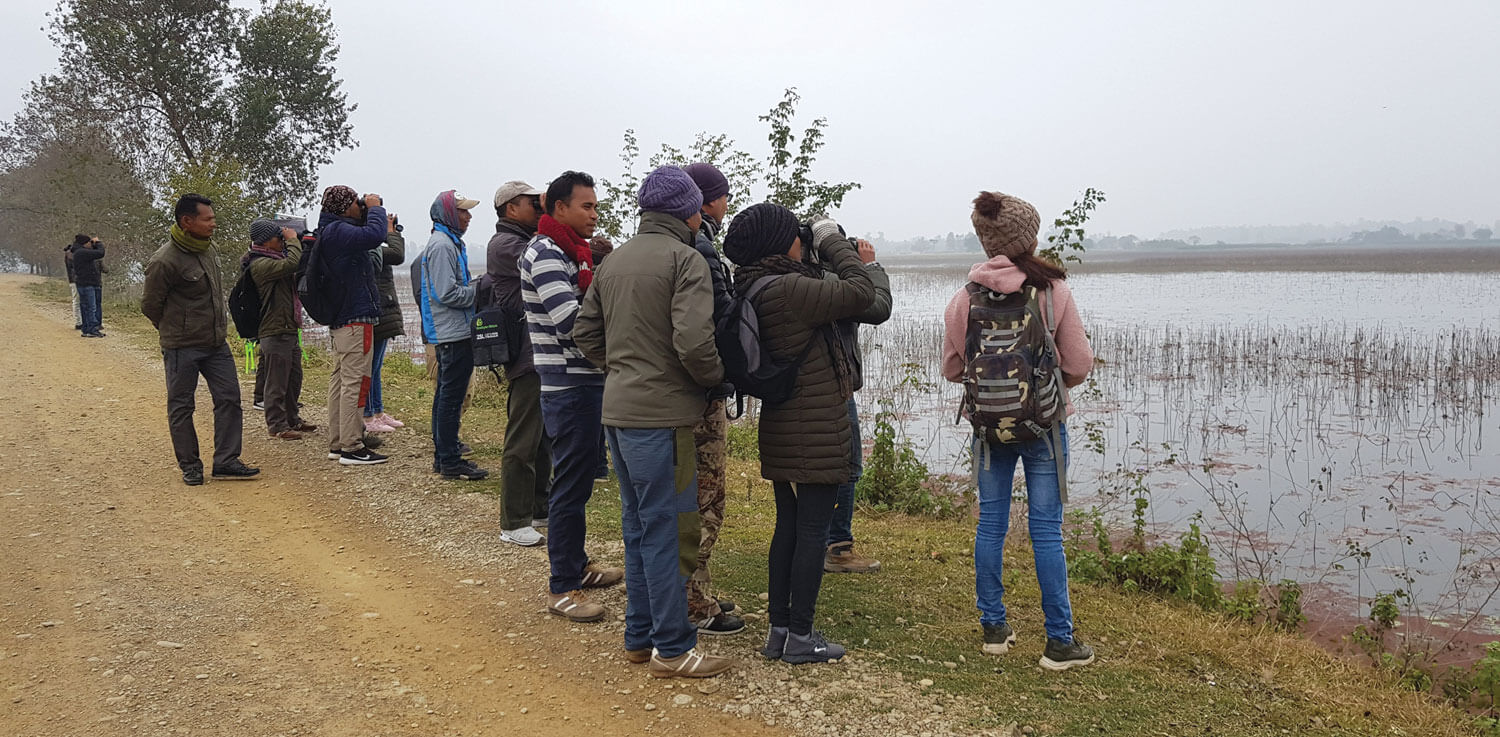
The region around Lumbini is an important wildlife habitat, but is facing an imminent threat because of increases in industrial pollution, urbanisation and mechanised farming.
A World Heritage Site associated with Lord Buddha, Lumbini has a diversity of farm-dependent biodiversity and is designated as an important Bird Area by Bird Life International. The fields and river channels provide an important habitat for many species and serve as a corridor for animal movement.
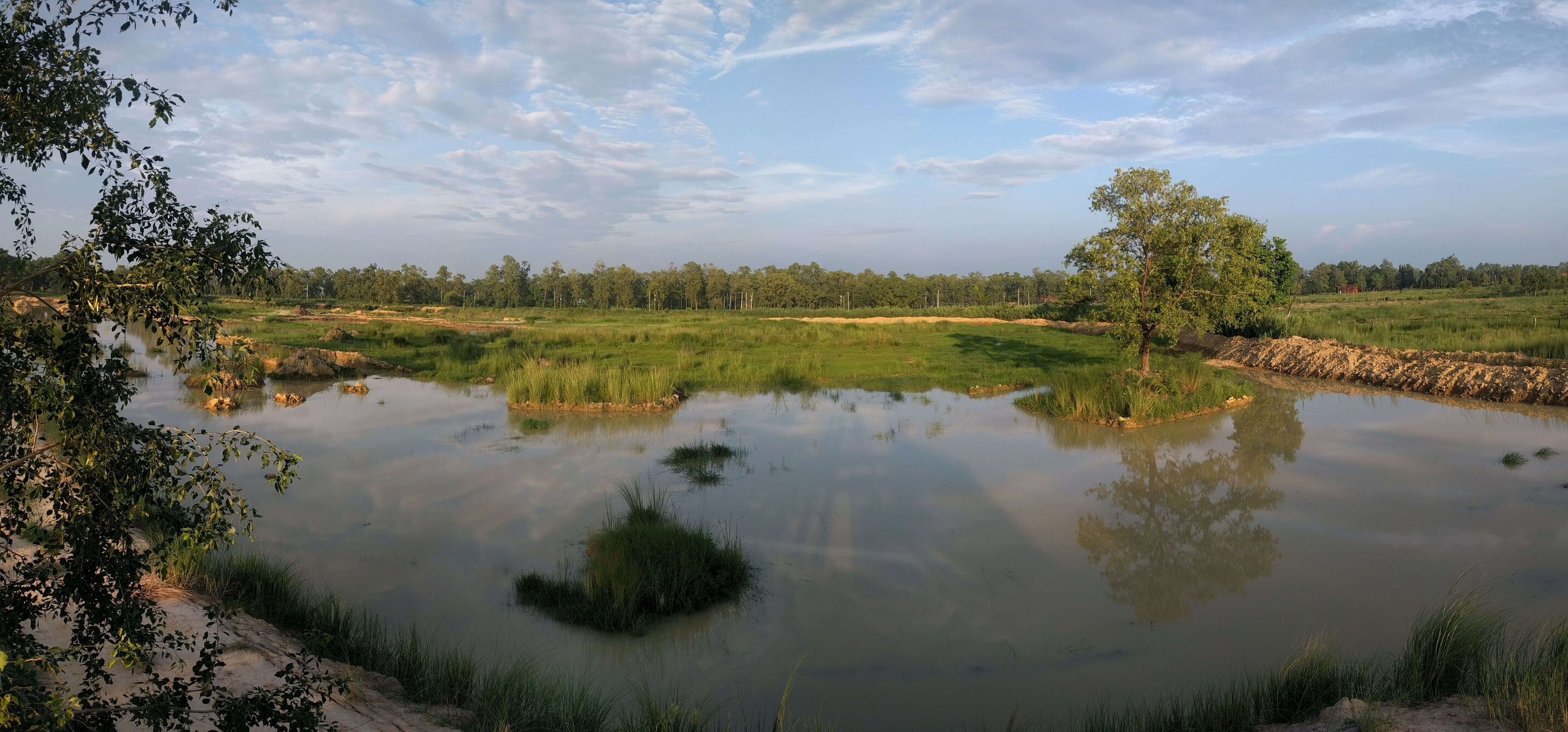
The farms are studded with oxbow lakes formed by Tarai rivers such as Danob, Tinau, Kothi and Telar which overflow into floodplains during the monsoon, but are mostly dry rest of the year. These lakes are important wetland habitats for many species of birds, amphibians, turtles, snakes and mammals, such as the Blue Bull antelopes.
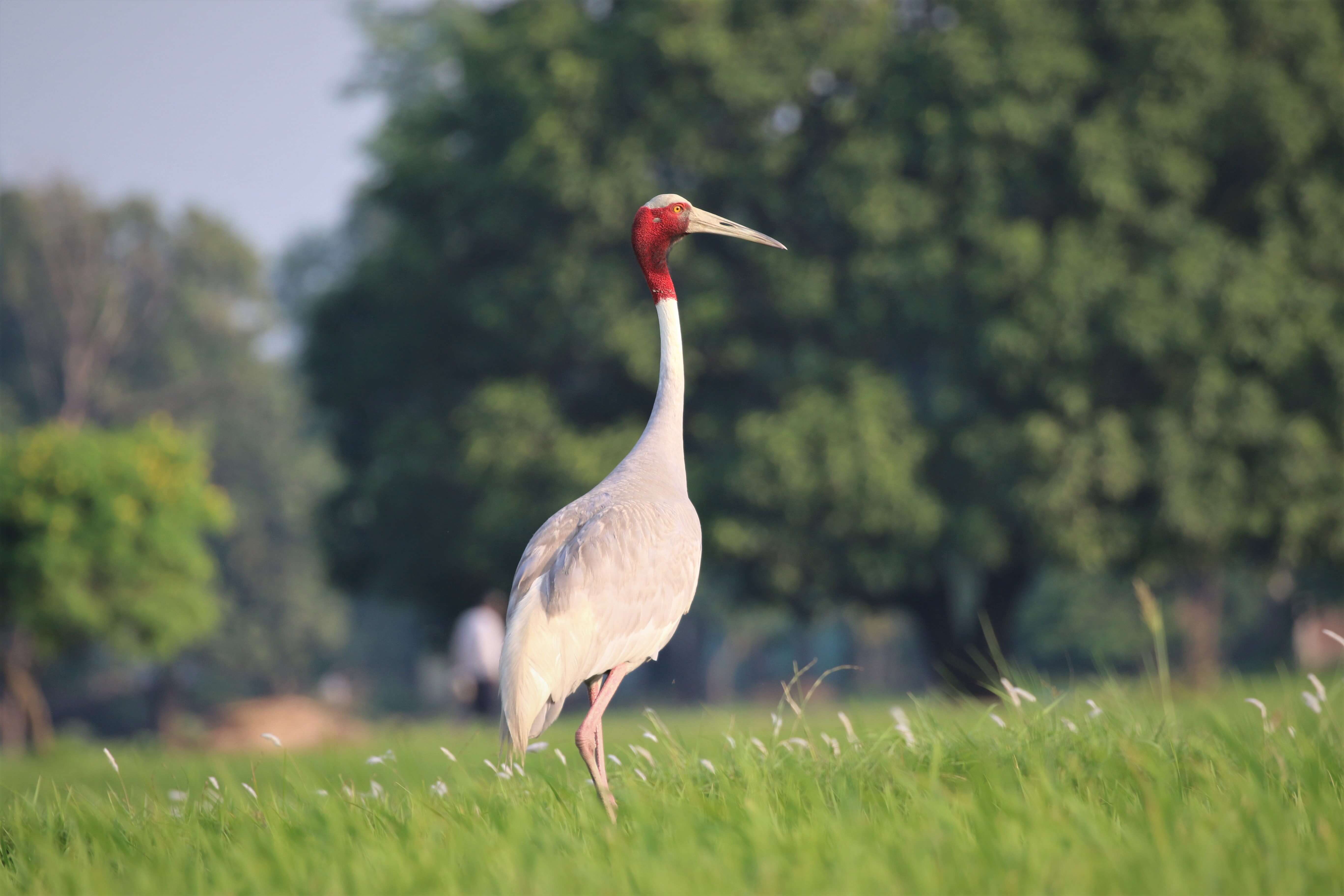
Sarus Cranes, known as monogamous birds, hold a unique place among all other species in Lumbini, owing to their legendary connection with Lord Buddha when he was Prince Siddhartha of the Kingdom of Kapilvastu.
Siddhartha Gautam is supposed to have rescued a wounded crane and saved it from his cousin Devdatta. Many historic images show the Buddha in the presence of the crane, and ornithologists believe this non-migratory species has been living in the Nepal Tarai for over two millennia. In a statement that becomes the aphorism for modern day conservation, King Suddodhan then declared that the bird belonged to the one who saved its life.
The Sarus Crane has become symbolic of an ancient culture that valued all forms of life and its deep connection to it. Also regarded as ‘Siwan ka Raja” meaning ‘Royals of the Wetlands’, the tallest of flying birds, Sarus Cranes hold a special relationship with the farmers of Lumbini as their presence in the paddy fields is believed to be indicative of healthy wetlands, a harbinger of good crops. The birds are protected by the community and have been named the mascot by the Lumbini Cultural Municipality.
Much like the Sarus Cranes, Kala Namak (black salt rice) holds unique allure for its association with Prince Siddhartha. Also known as ‘Buddha’s rice’, the crop holds a cultural significance to the people of Kapilvastu who consider it a holy gift. After his enlightenment, Buddha is said to have distributed black rice to his people as a gift and a mark of homage.

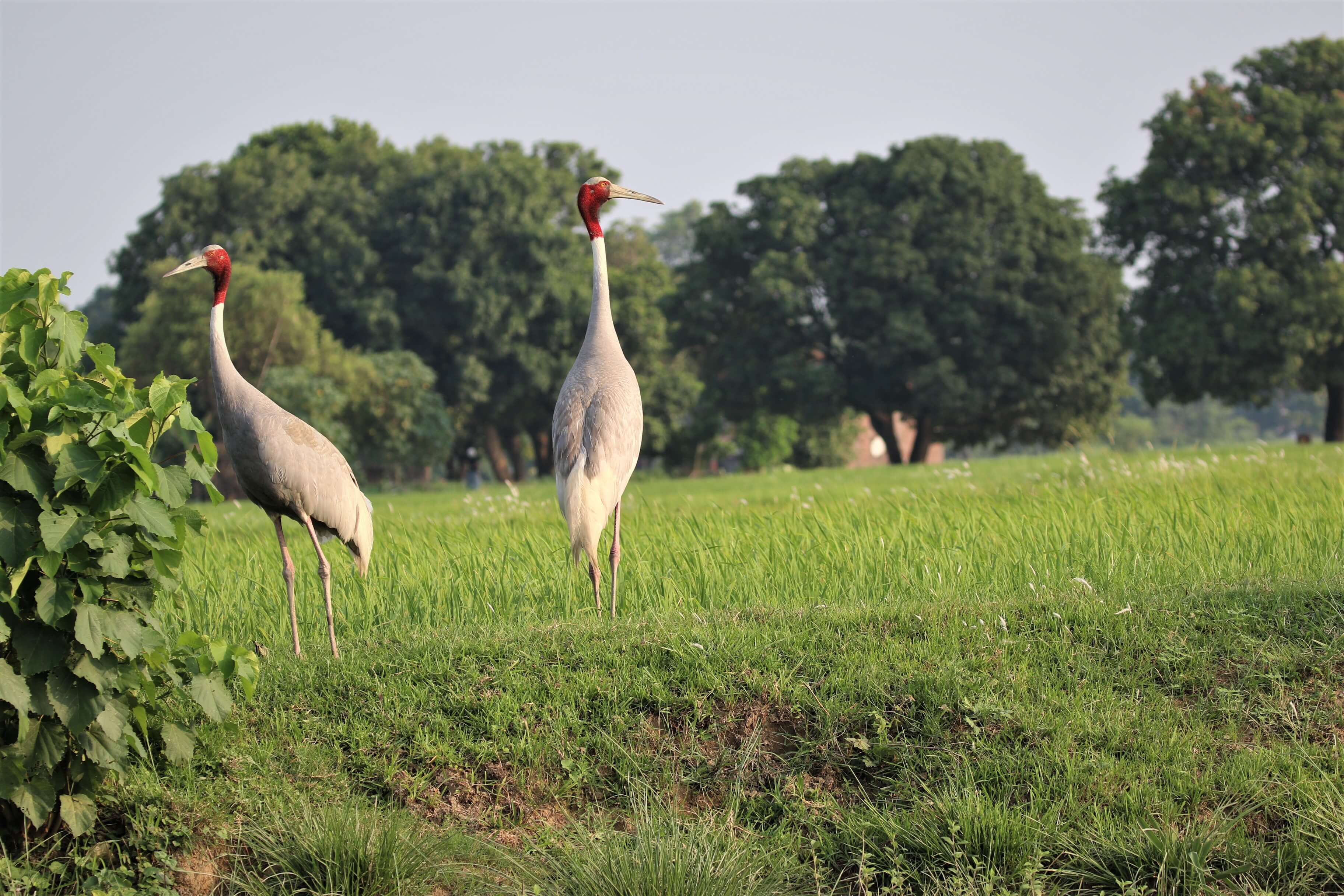
The fields where the black rice grows also serve as a foraging habitat for Sarus Cranes and their chicks in the post monsoon season. However, fast-growing hybrid rice varieties have almost completely replaced them in recent times, with only a few farmers continuing to grow the fabled paddy.