History is not always fair to the protagonists who find themselves caught up in it. The history of Gurkha soldiers is no exception.
Brave khukuri-swinging soldiers in combat khakis and hats marching off to battle have been an iconic part of Nepal’s past. Forgotten on the pages of history, however, are their sarong-clad wives in Nepal or abroad, their struggles and their contribution.
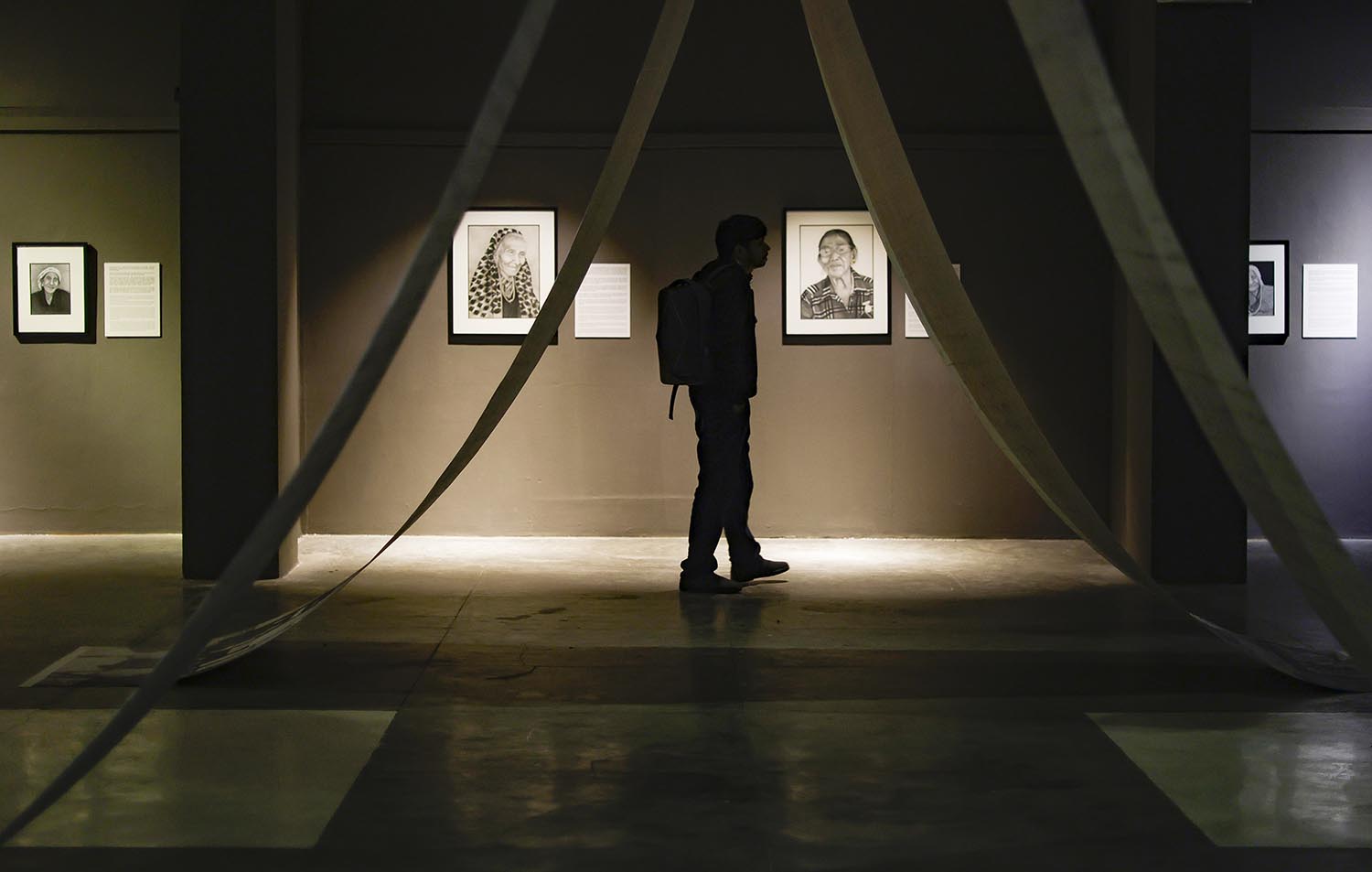
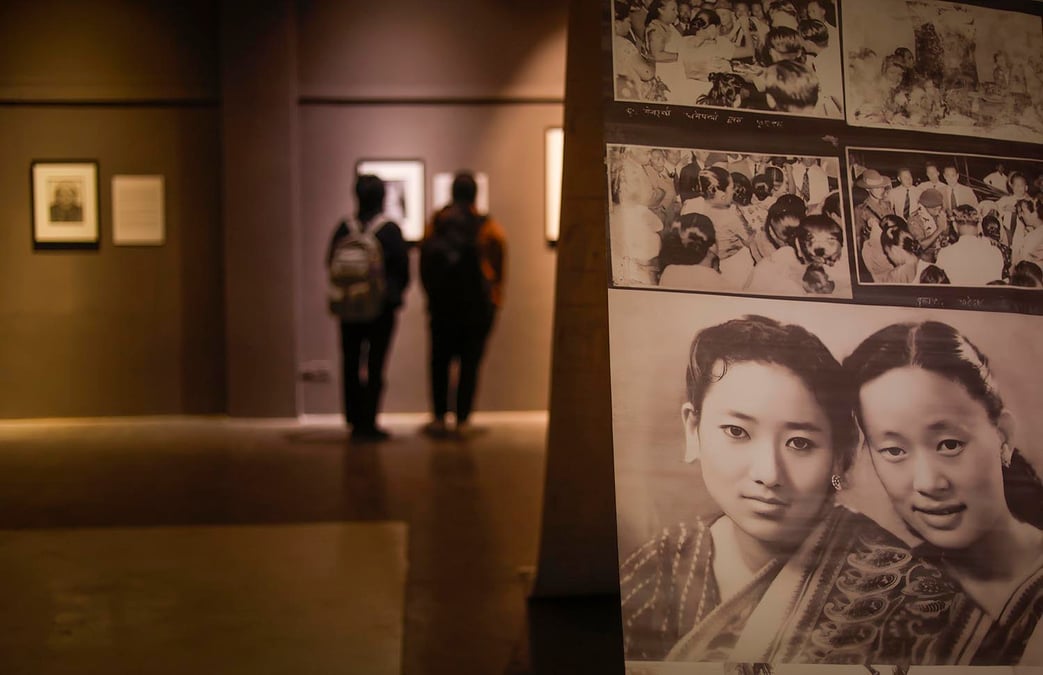
Lately, there has been an effort to correct this with welcome attempts to document the experience of Gurkha wives. Suzana Thapa Shris’s recent exhibition Gurkha Women: An Echo in the Story helped filled this gap by retelling the stories from the perspective of the wives of soldiers.
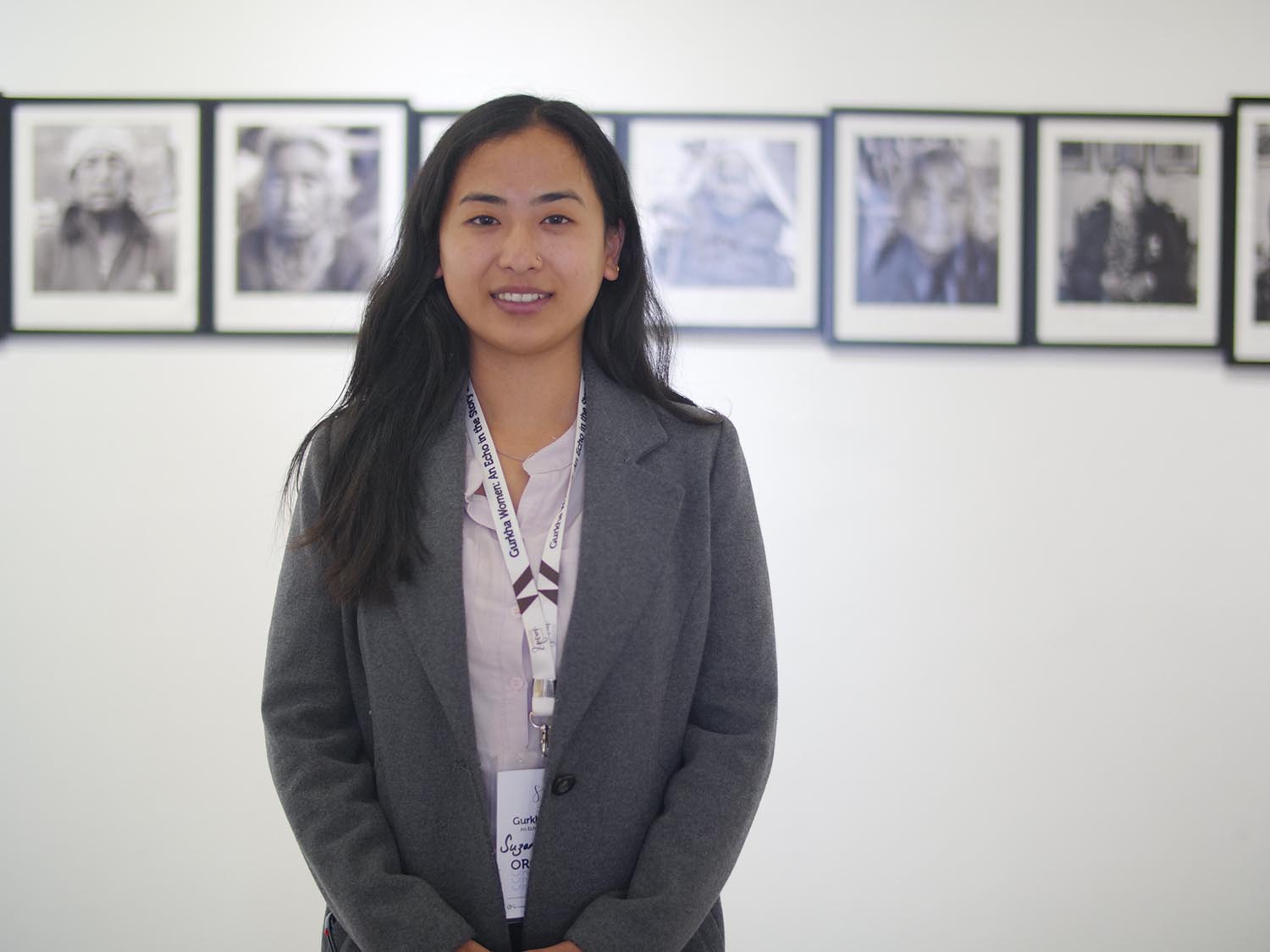
“When Gurkha soldiers were fighting wars, it was their women who single-handedly led the households, they were the silent heroes,” explains 29-year-old Thapa Shris. “With limited money and resources, they raised families and boys who grew up to be lahure themselves. Their contribution is immense.”
Read also: Beginning of the end of the Gorkha Empire, Alisha Sijapati
After her first exhibition Bharseli Gurkhas: From Stories to Portraits which looked into the lives of Gurkha soldiers from her ancestral village of Bharse of Gulmi district, Thapa Shris felt that she also needed to put the spotlight on the wives.
Coming from a Gurkha household herself, where her grandfather was in the Indian Army, Thapa Shris was introduced to her family’s praetorian past from a very young age. She grew up with her grandparents in Butwal, listening to the lore both from the battles as well as the home front.
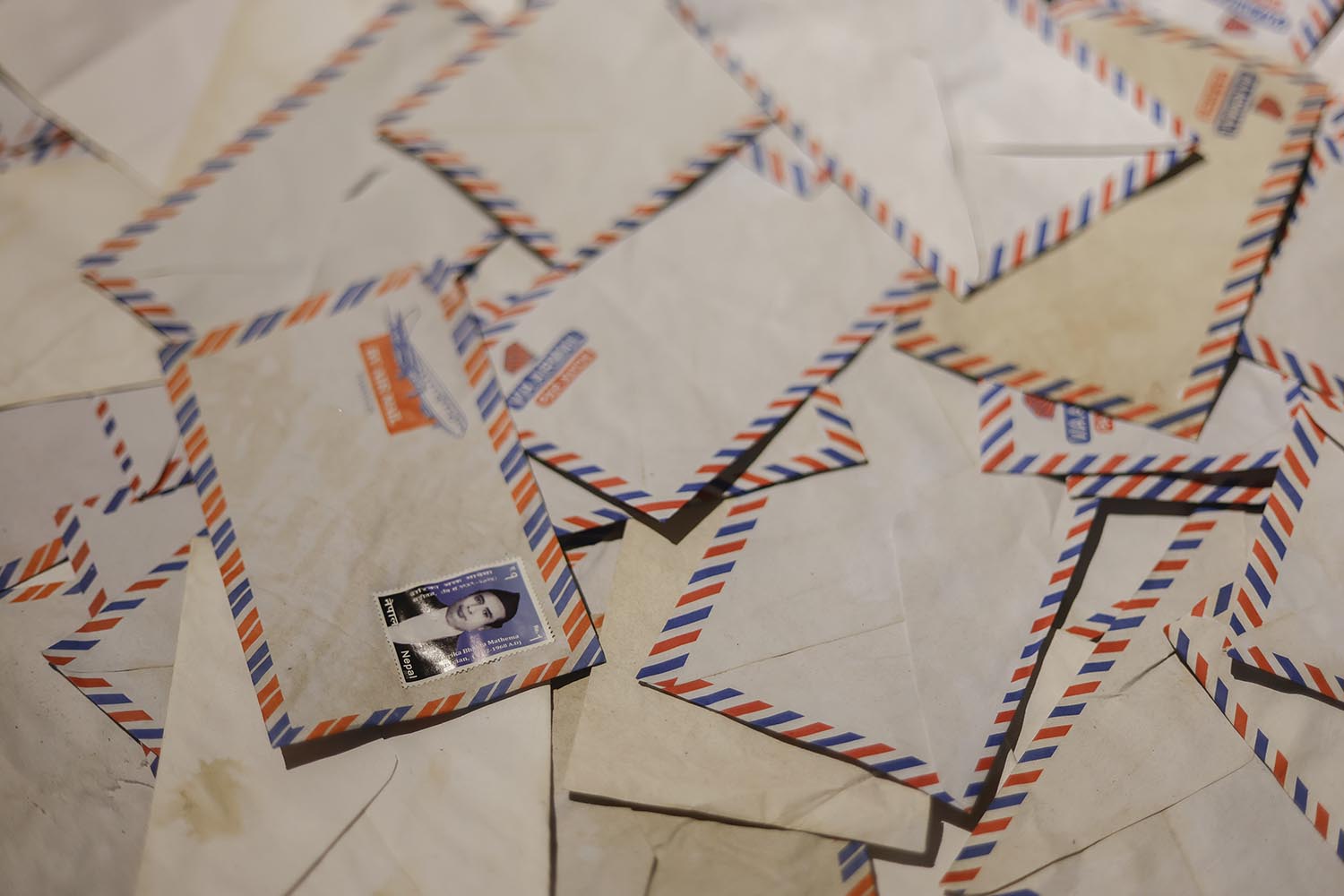
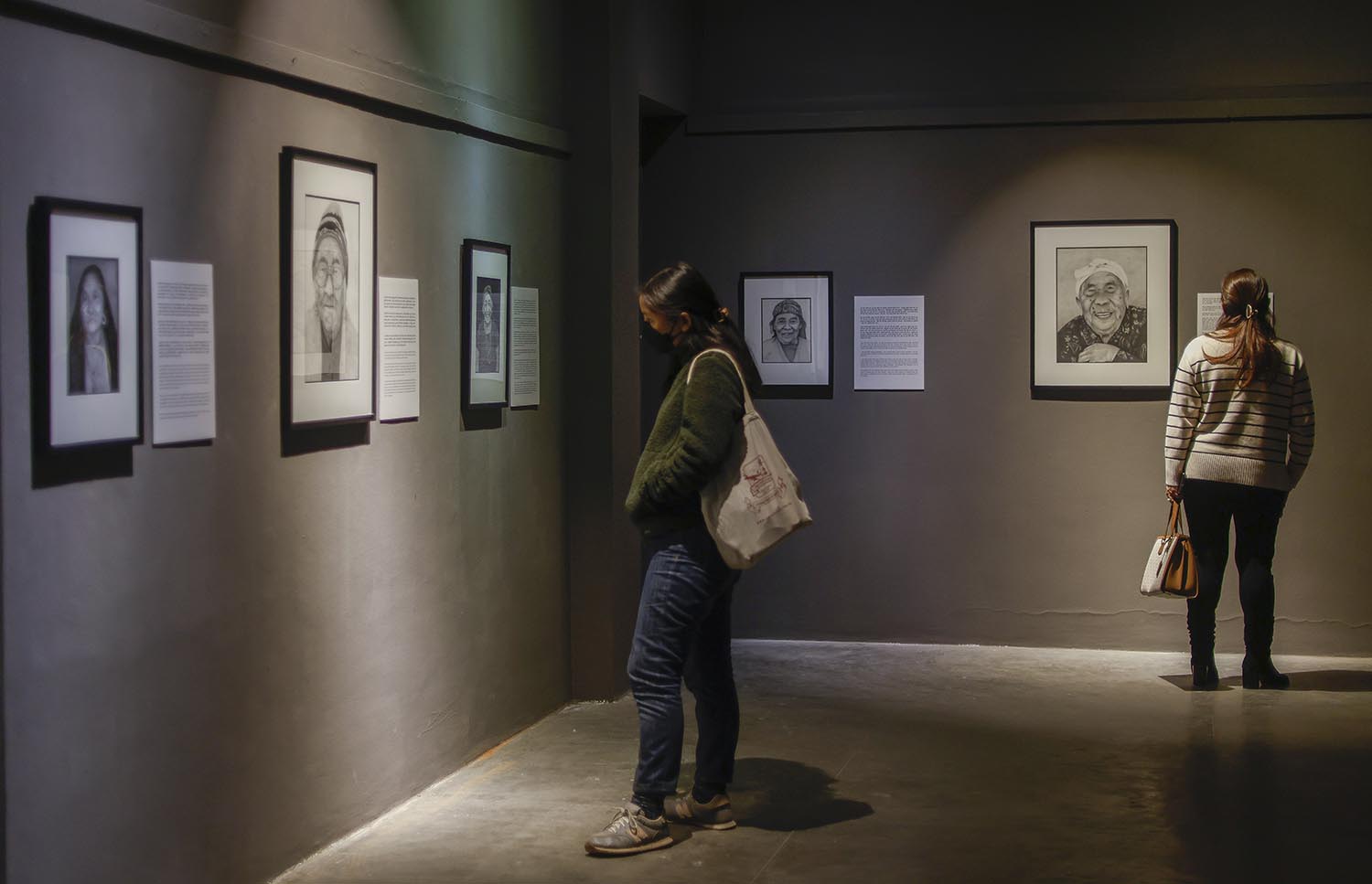
Her father Bom Bahadur Thapa, a horticulturist by profession and a writer, wrote a book Bharseli Gorkhagatha ra Serofero about his ancestors. And when Thapa Shris started her project, the father-daughter duo interviewed some 50 women in their 70s and above from Baglung, Gorkha, Gulmi, Kaski, Palpa, Rupandehi, and Sunsari. They were all wives of Nepali soldiers who had served in the UK, India, Singapore and Malaya (now Malaysia).
“The exhibition took shape as we were looking into who these women were, their life stories and their contribution to Gurkha history,” she adds. “Their identity and contribution has been the main objective of this exhibition.”