Humla is in the remote northwestern corner of Nepal. And in a remote corner within Humla district is Limi Valley.
Culturally, linguistically and even geologically, this is the Tibetan Plateau, and Limi’s 2,000 inhabitants are facing the threat of cultural erosion and outmigration of its young people.
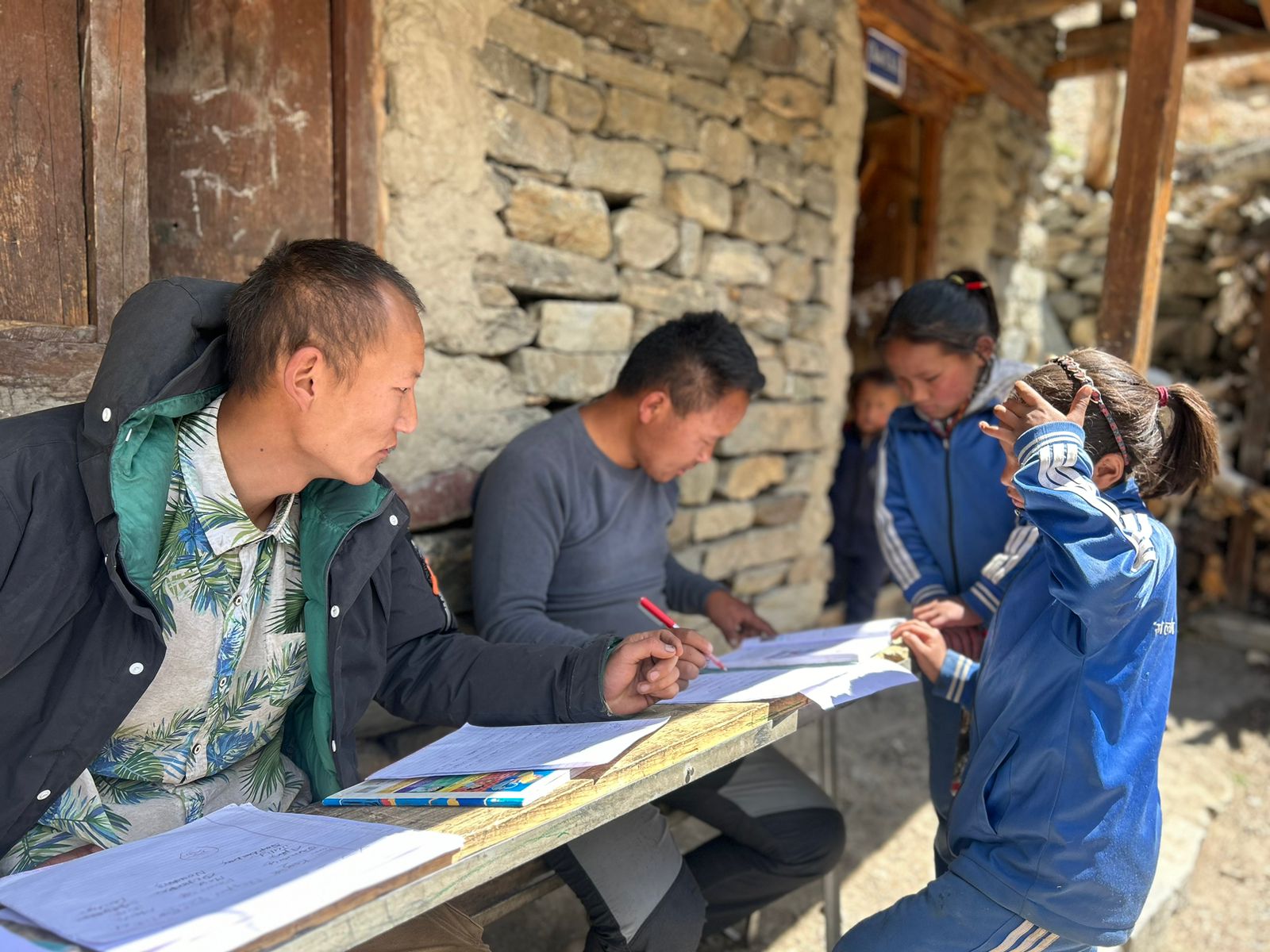
Now, however, local schools are trying to change that by ensuring quality education not only so that local children do not have to go to faraway boarding schools, but also to attract students from other parts of Humla.
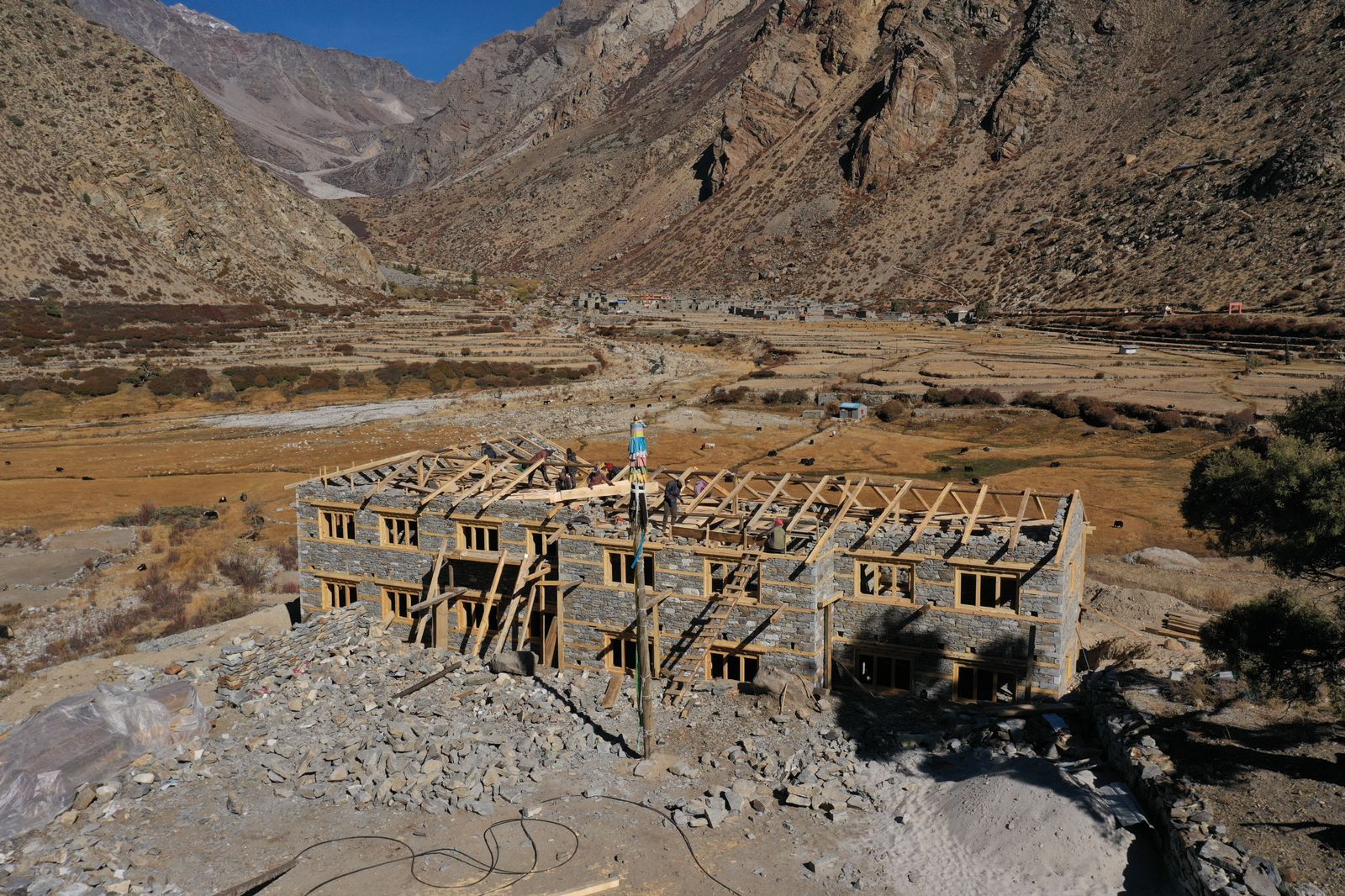
The Aatmiya Shree Sunkhani Basic School in the village of Halji has Tibetan language classes and tries to instil pride in students about their local culture. It has also invested in better dormitories and other facilities so the school does not have to close in the winter months because of the extreme cold there at 3,700m elevation.
Following the construction, the school hopes to revamp the quality of instruction, and change the focus of curriculum to address the challenges of heritage loss and outmigration.
Limi Valley is the location of the 1,100-year-old Rinchenling Monastery and represents the cultural soul of Upper Humla. It has enormous potential for pilgrim tourism because of the proximity to the sacred Lake Mansarovar and Mt Kailash across the border in China.
Limi has three villages: Til, Halji, and Zhang, and they each had a school till five years ago but they closed down because of lack of students. The valley is only accessible by crossing the 5,000m Nyalu Pass, and its extreme remoteness translates into isolation, lack of jobs and opportunities. Most young people have migrated to Kathmandu, or to Purang across the border in China.
What is left in Limi are the elderly, and children separated from parents.
“Only grandmothers are left in the community,” says Anjila Thapa of Aatmiya. Humla’s children are growing up in Kathmandu or abroad and losing touch with their culture.
Aatmiya is a Nepal-based sister organisation of CITTA, a non-profit seeking to bring healthcare, education, and economic development to the most remote and underserved communities in Nepal and India. It was founded by American artist Michael Daube, whose love for anthropology and Buddhism led him to work in the region.
CITTA runs a Women’s Economic Development Centre, hospitals, and schools in Jaisalmer and Odisha in India, and also manages a hospital in Sindhuli. Aatmiya (which means ‘intimate’ in Nepali) was started in 2011 as a public-private partnership under which there are government teachers as well as those supported by the project.