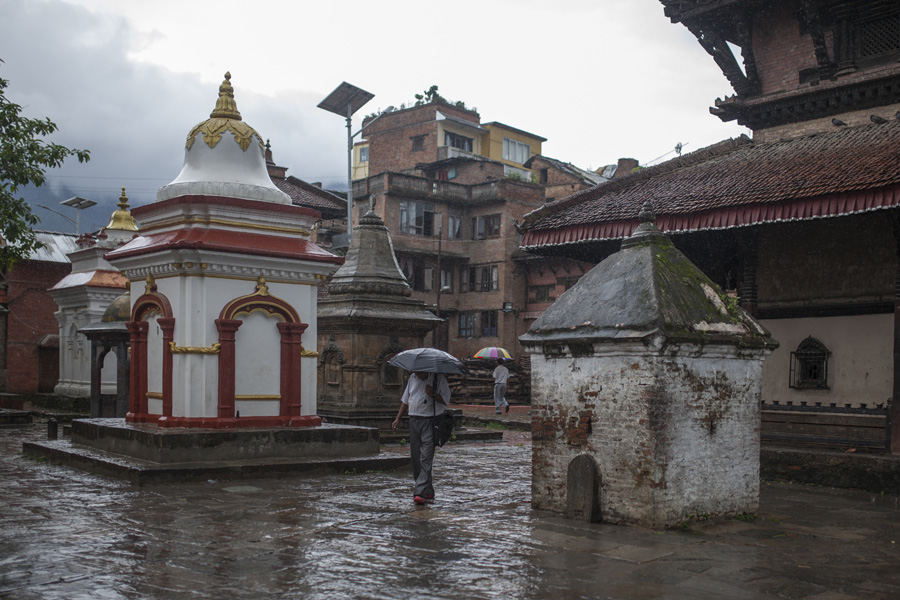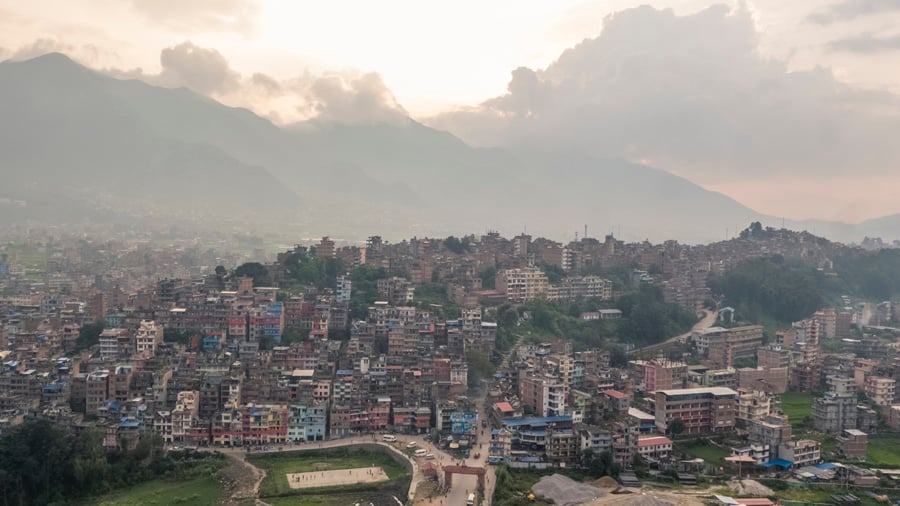
Situated along an elongated ridge in the southwest corner of Kathmandu Valley is Kirtipur, but it tends to feel faraway even for the inhabitants of the capital. People talk about it as if it is in the boondocks somewhere. This perception of isolation is what has kept the 12th century hilltop town largely untouched, even though it is only a 15 minute bus ride from the Ring Road.
The sense of pride and fierce independence is in the DNA of Kirtipurans because this was where Prithvi Narayan Shah’s conquests came to a grinding halt in 1767, as he faced fierce resistance in his plan to take over Kathmandu Valley.
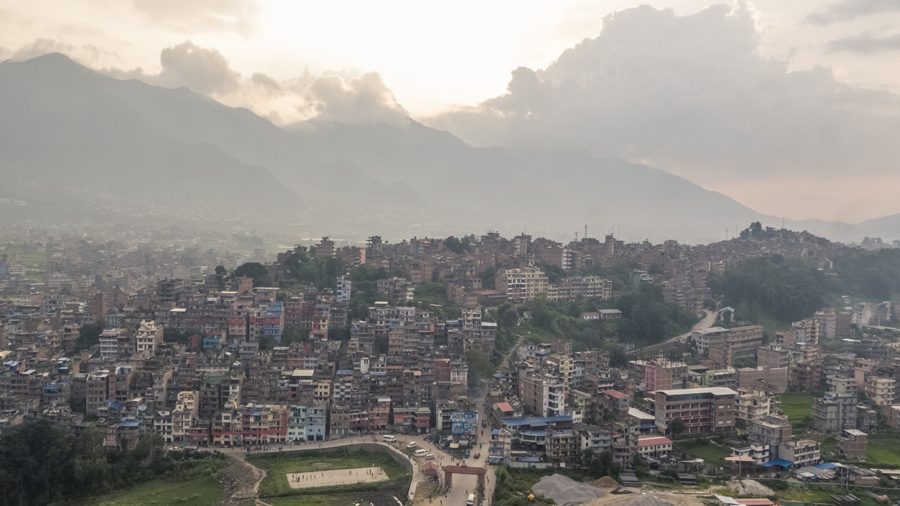
Today, the town of 66,000 is still not actively promoted by tour operators who prefer the traditional Bhaktapur-Patan-Swayambhu loop. If they do come, tourists tend to visit just the main temples, have lunch and then head back to their homestays in Thamel or Patan.
But Kirtipur is worth lingering in. Life progresses in slow motion with relatively clean and well-preserved streets and relaxed residents. The old city with its ancient neighbourhoods are nearly car free, and the place has the aura of an open museum – much the same as Kathmandu or Patan used to be 40 years ago. There is only one hotel and two easy-to-find homestays.
“Normally visitors stay only two to three hours here in Kirtipur,” says guide Shristy Maharjan at the Tourist Information Centre. “Now the situation is better, but the government should promote Kirtipur more. Only one in ten tourists visiting Nepal in 2015 came here.”
Babu Maharjan started his homestay in 2004, after being a trekking guide for a Swedish company. “Kirtipur is only 5km away from Kathmandu, but very few know about it. When people come to my place, they are astonished how stunning it is.” He gets about 200 guests a year in his four rooms.
Nepal’s Vision 2020 seeks to increase tourist arrivals to 2 million, and tourism-related employment to one million. After the earthquake in 2015, tourism has rebounded (see graph) with half the visitors from five countries: India (16%), China (14%), Sri Lanka (8%), USA (7%), and United Kingdom (6%).
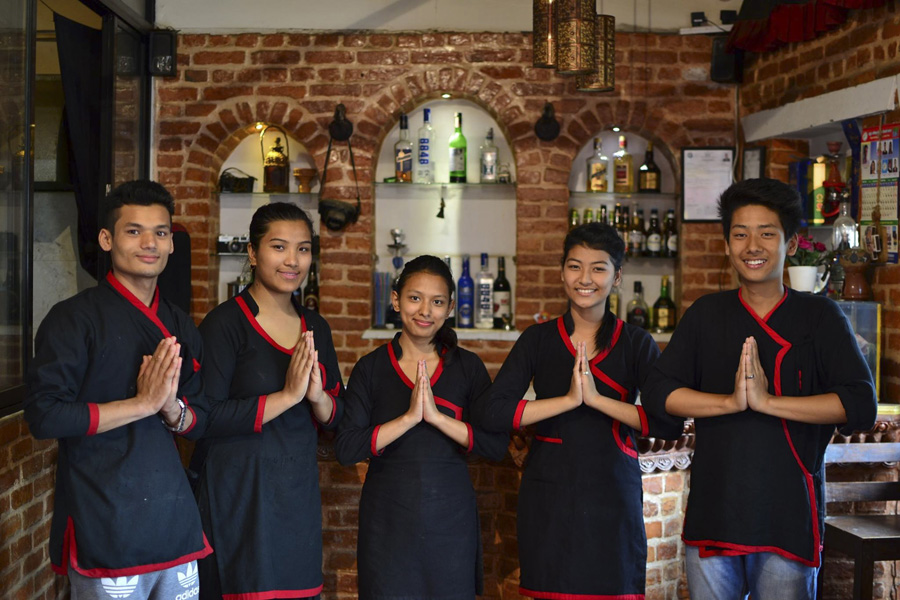
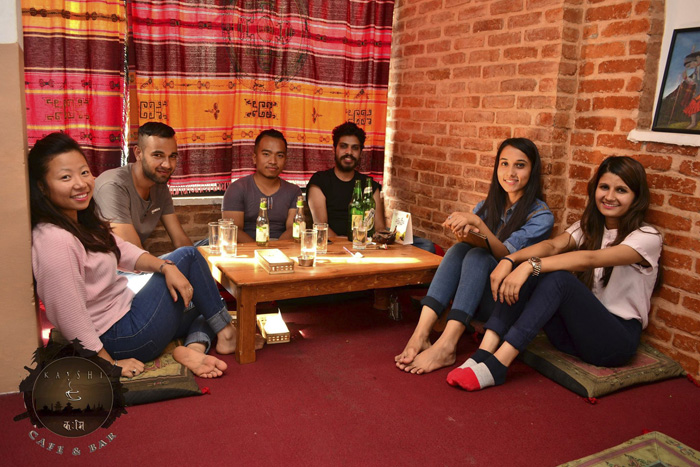
Saroj Tuladhar, 27, is a hotel management graduate and sees a bright future in tourism in Kirtipur. His restaurant, Ka:shi, overcame the slump after the earthquake and Blockade, and is now running well. Unlike many of his friends who have gone abroad, Tuladhar has decided to make a living in his native town and has no regrets. “My only problem is finding good staff for the kitchen,” he says.