
 |
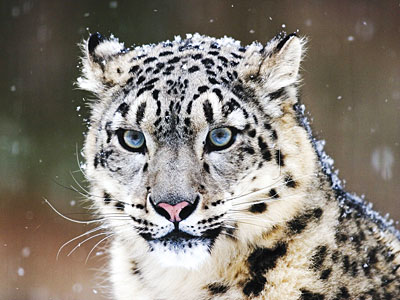
Snow leopards are among the most magnificent creatures to grace the Himalayan landscapes, but their survival has long been under threat. They come into conflict with locals because of livestock depredation, which sometimes results in retaliatory killings. Their habitat is continually being encroached on, with a corresponding decline in prey numbers. The illegal trade in animal parts is flourishing between Nepal and Tibet, encouraging poaching.
It is estimated that there are close to 400 snow leopards left in Nepal (and between 4,500 and 7,300 in the mountains of Central Asia and the Himalaya). But the exact number of this species in Nepal is yet to be determined, because of its elusive, solitary nature and the remote, rugged terrain in which it lives. If we are to design and implement a successful conservation strategy, we need solid data on the existing abundance and distribution of the snow leopard.
The majority of studies have consisted of surveys that rely on signs (eg pugmarks, scrapes and scat), interviews with local inhabitants, and camera trapping. But these require extended time in the field (>40–50 days), are expensive, and setting camera traps in snow leopard habitat (between 3000-5500m) is difficult. Supplementary methods are crucial for effective monitoring of snow leopards.
Enter genetic analysis for wildlife research. The Center for Molecular Dynamics Nepal, in collaboration with various conservation organisations, is working to introduce DNA identification for snow leopards.