
|
|
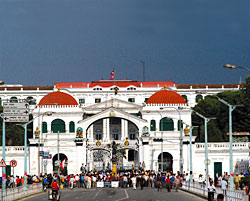
The first week of freedom has been heady for the Nepali people. While a restored parliament sat inside Singha Darbar, the parliament of the street stood outside keeping vigil.
Their idea was to make sure that the political parties do not backtrack on their commitment to go through with the constituent assembly, which is a concern also of the Maoists. The parties have underlined their commitment to the 12-point roadmap, but there is a feeling among political activist that someone somewhere could put a spanner in the works.
Although the sight of the same old faces in the core cabinet drew jeers, its declaration of an indefinite ceasefire has raised hope across Nepal that this time it will lead to a restoration of peace and reconciliation. The news was greeted with even more jubilation than the restoration of parliament last week, and the hope is that it will not just provide relief to a long-suffering people but also create the atmosphere for future talks. The Maoists said Thursday they are now ready to begin negotiations.
However, all this is still tempered with worries that it may turn out like past ceasefires which were used as a tactic to regroup. Previous truces were also accompanied by an actual increase in extortion, abductions and intimidation by the Maoists which is also starting to happen now. The shooting of a prominent paediatrician on Thursday morning by suspected extortionists has cast doubts about the hold that the Maoist leadership has on its rank and file and a need for full monitoring of this ceasefire.
The whole world is watching Nepal as it enters a new chapter of democracy. This week has seen a flurry of visits by high-profile foreign delegations. The message from them is: the Maoists must renounce violence to join the mainstream and the international community is willing to resume development support.
What now, where next?
No one has any illusions that vast challenges remain: what are the modalities of the constituent assembly elections, will the Maoists agree to join an interim administration, how will the rebel leadership sell this to its cadre who are massed right now just outside Kathmandu Valley, how feasible is a integrated RNA-PLA force?
The foremost on the agenda for the cabinet is to deal with the disarmament, demobilisation and reintegration of the warring sides. In Dhading last week, Maoist local leader Ram Prasad Bhandari sounded a word of caution: "We will consider joining the new national army but not without the involvement of a reliable organisation like UN to manage that. If the two armies are kept separately, then there is the danger of another war."