 KIRAN PANDAY |
Nepal is the very picture of insecurity: its army resists civilian authority, the police and the APF are perceived by some as private political militias, political thugs terrorise the public, and ordinary people starve and endure epidemics of wholly preventable diseases as development grinds to a halt.
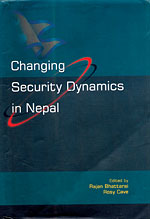
Changing Security Dynamics in Nepal, co-edited by Rosy Cave and foreign policy adviser to the Prime Minister Rajan Bhattarai, is a collection of essays written by security experts such as Dhruba Kumar (see book review below) and Kul Chandra Gautam, and the editors themselves. It investigates Nepal's security establishment with emphasis on its history and ongoing problems. The book's overarching argument is that the establishment has historically obsessed over the threat of a foreign invasion and as a result has ignored more pressing, local concerns of 'human security' such as lawlessness and malnutrition. The government's loose hold over the military has distorted security policies to reflect these outdated fears and has contributed to our security woes.
Contributor Geja Sharma Wagle notes that in 2001 the government established the National Security Council with the prime minister, defense minister and army chief as members. But nothing changed, largely because it became a sounding chamber for the army. Little else was done to bring the army more firmly under civilian control until the reestablishment of democracy in 2006.
Security expert Sridhar Khatri of the South Asia Centre for Policy Studies agrees. "The defense ministry was a post-box for the army so it didn't have any real powers at all." As a result, he says, security policy became increasingly unresponsive to ordinary people's needs.
The NSC floundered partly because it wasn't held accountable to parliament, which the government relentlessly undermined. Contributor Dhruba Kumar explains that parliamentary committees were warned against grilling security personnel about their misdeeds.
But the book exaggerates the threat the army poses since the Nepali military is less troublesome than its regional counterparts, most notably those in Bangladesh and Pakistan. Since 1990 the army has accepted a more democratic role although there have been hiccups along the way. The army panicked when the Maoists came to power as it felt threatened by the PLA. Still, the Nepal Army tends to look for outside leadership, says Khatri.