Every once in a while comes an art exhibition that is not just aesthetically pleasing and tasteful, but raises piercing questions about human rights, equity, and justice.
And there is one such unique, yet unsettling, exhibit on the upper section of the Nepal Art Council in Baber Mahal that will go in till March 2024.
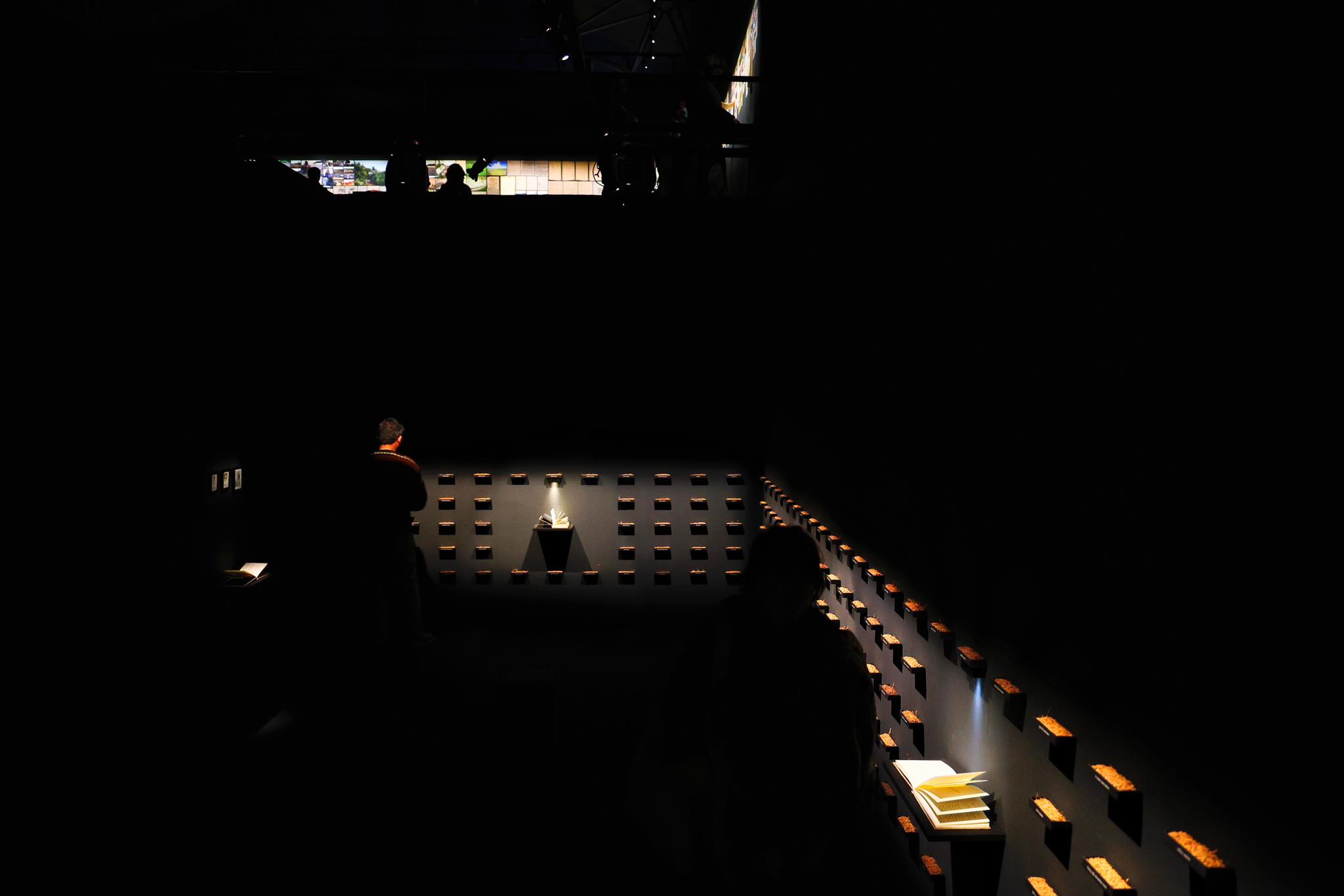
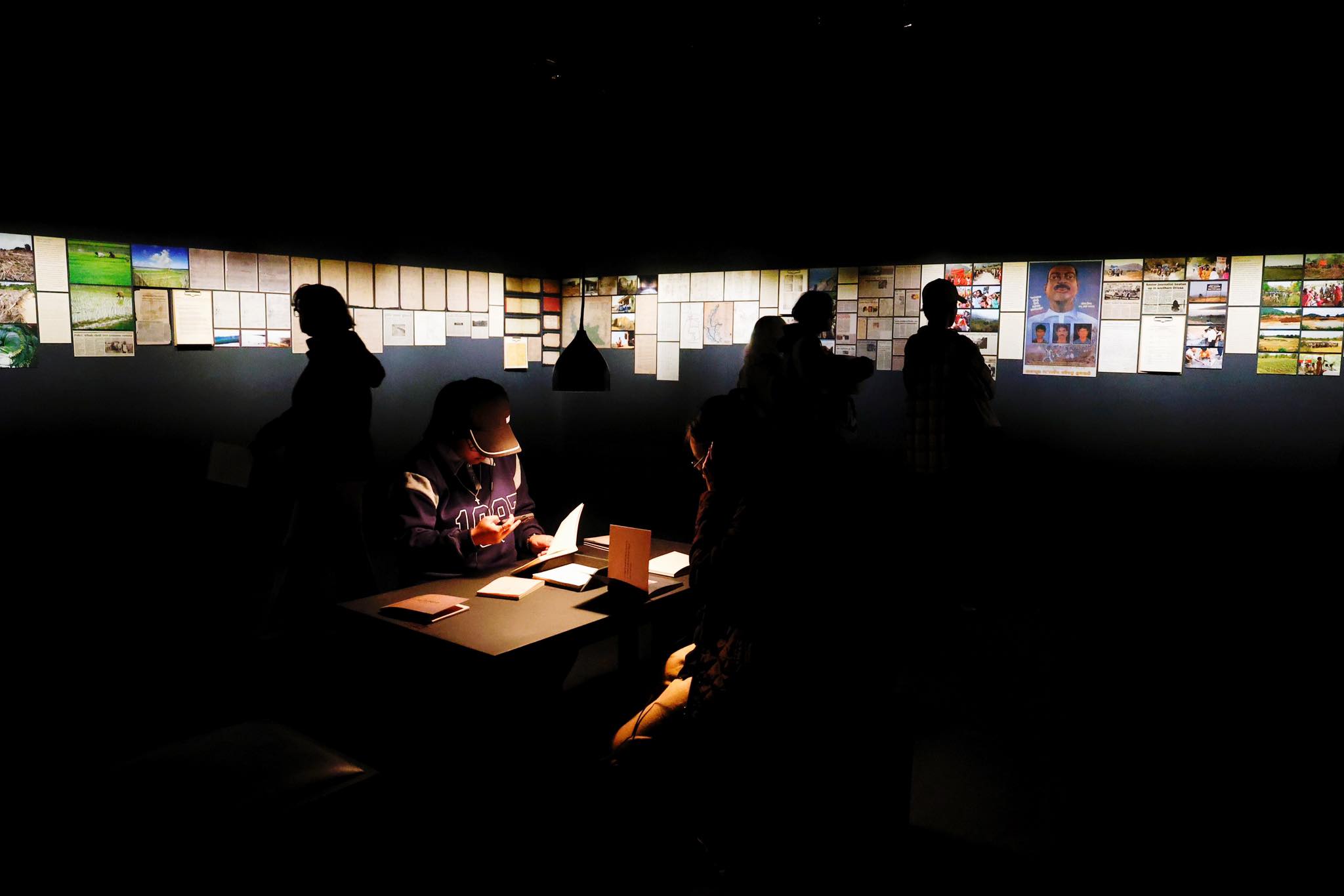
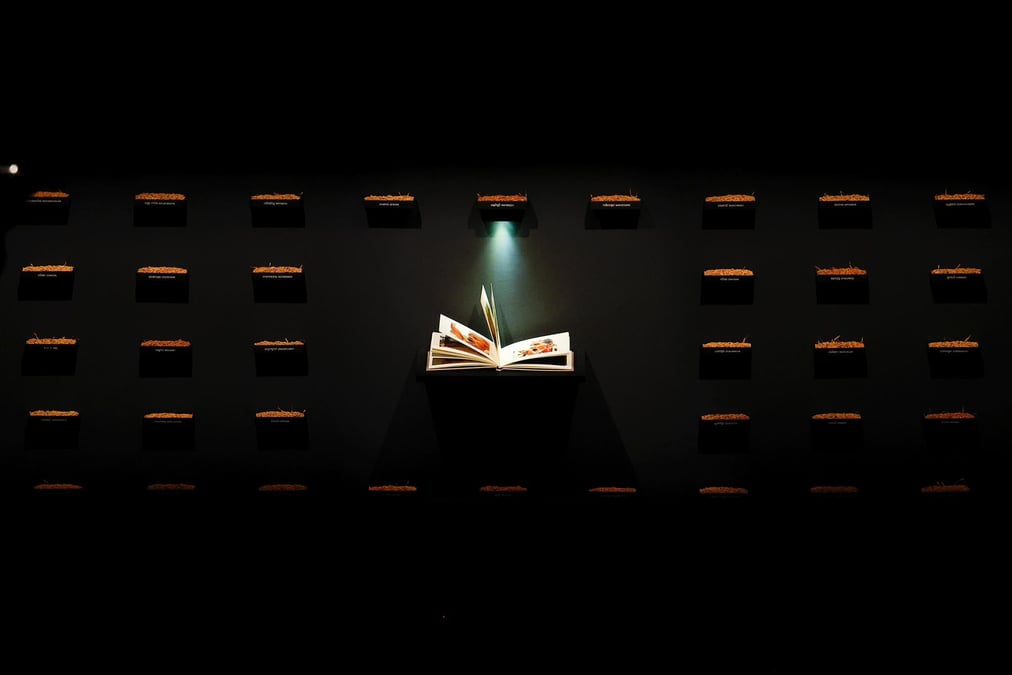
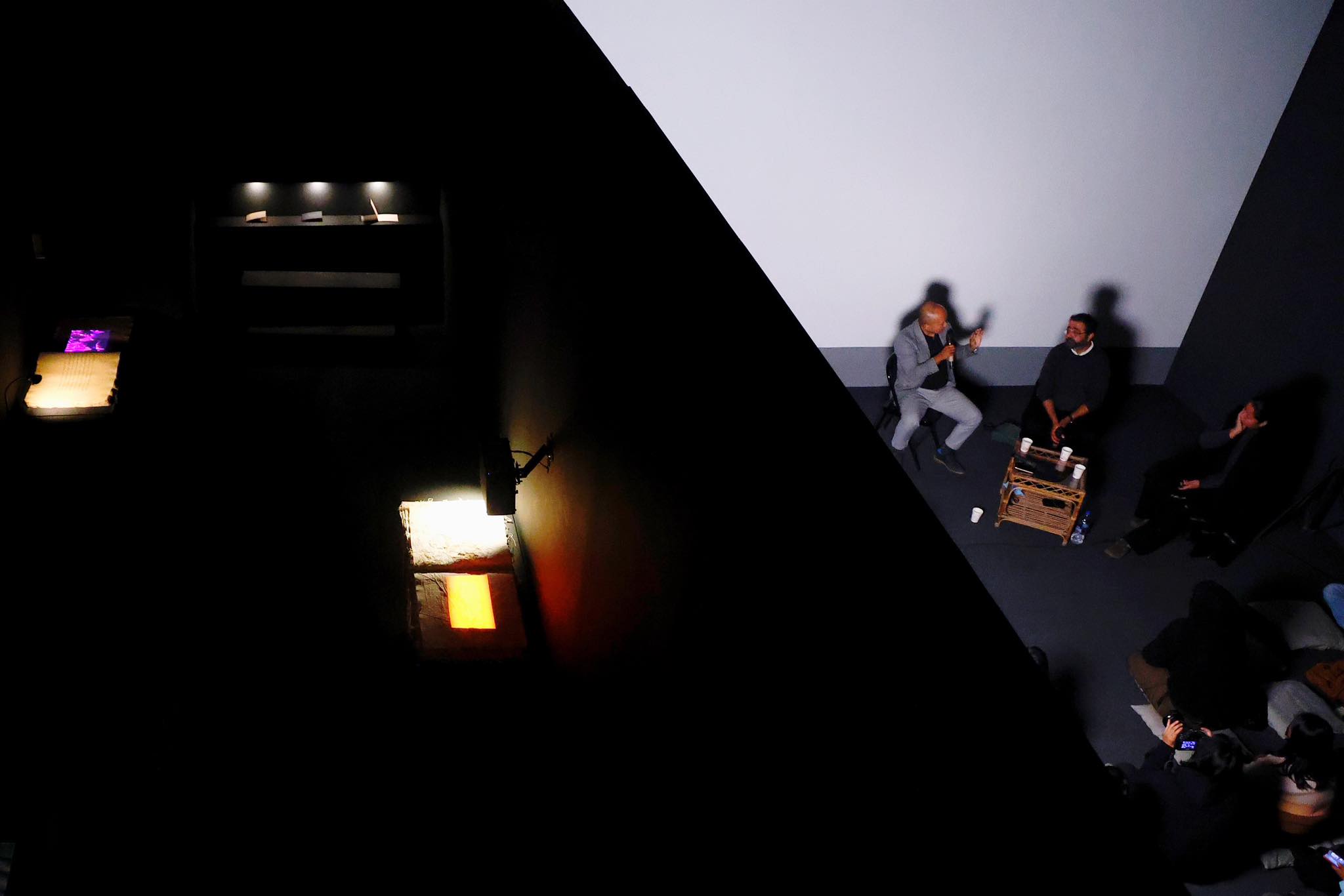
The Sovereign Forest is certainly not art for art’s sake. It is a multimedia installation of film, large books, as well as artefacts from the mineral-rich but dirt-poor Indian state of Odisha where indigenous people have been driven out to make way for natural resource extraction.
Visitors step into sudden darkness, and it takes time for the pupils to adjust to the dim interior. Unlike conventional exhibitions, this one is purposely designed to evoke outrage at the blatant injustice and oppression that underlies the plunder.
The show invites a new kind of engagement that challenges perceptions and expectations in which various art forms are curated to shock observers out of apathy and recalibrate their moral compass.
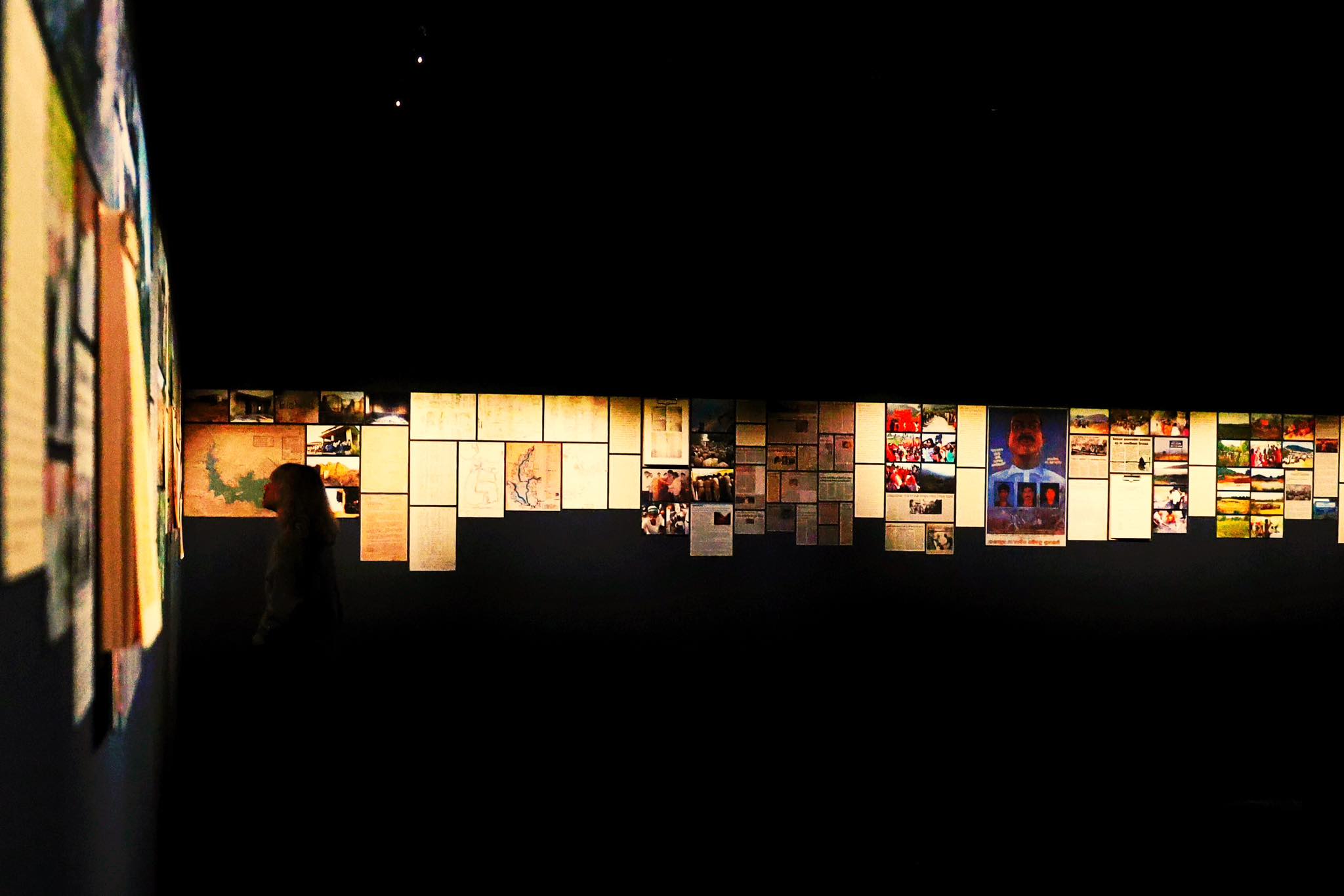
The Sovereign Forest is put together by the Indian filmmaker Amar Kanwar and offers a compelling and immersive narrative through a blend of visuals, artistry, archival materials, and the screening of a documentary.
Kanwar has been documenting through art the activities of the mining-industrial complex and how it has impacted the farmers and indigenous communities in Odisha. Some Nepali visitors may not immediately find a connection to one of the less known and underserved states in India, but the greed and abuse that drives the extraction machinery there has parallels to what is going on here.
Kanwar’s exploration of exploitation is projected powerfully through a unique narrative style devoid of a concrete subject. Some in the audience might be lost, and engaging with Kanwar's message demands patience as he intricately unravels the story of an activist killed during a farmers' protest, and goes into the profound grief of a woman mourning his loss.
The film's captivating visuals immerse the audience in the farmers' plight, offering us a window into the destruction of nature and the people who have traditionally lived in harmony with it.