
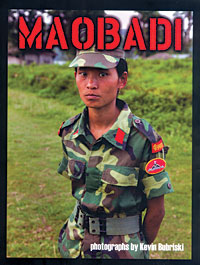
 Maobadi Kevin Bubriski Himal Books 93 pages |
The Maoist PLA is the 400-pound gorilla in any room where Nepal's peace process is debated. Close to 20,000 ex-combatants remain in 28 cantonments across the country, over four years since the signing of the Comprehensive Peace Accord, and their future is still uncertain. But it is astonishing just how easily both politicians and the public have forgotten the physical reality of this extended, listless stay in sub-tropical camps.
There is also a tendency to lump the ex-combatants together with little regard to their individuality. They may all be 'Maobadi', but each cantonment, composed as it is of young men and women from different ethnicities and localities, is a microcosm of Nepal. Beyond this, they are individuals with their own histories and aspirations.
Kevin Bubriski's new collection of cantonment portraits, Maobadi, is an attempt to remind Nepalis that 'along with the collective identities of ethnic, economic, geographical and political affiliation are individual lives in the balance'. Indeed, as an introductory essay by Toby Alice Volkman notes, the portraits of the ex-combatants, often staring directly into the camera, are truly empathetic. Caught in the act of gardening, eating, woodworking, playing football, exercising – Bubriski's subjects appear no more radical than anybody else. Their extreme youth may also contribute to this impression, of course; one can't but conclude that many of those featured should have been disqualified as child soldiers or late recruits.