
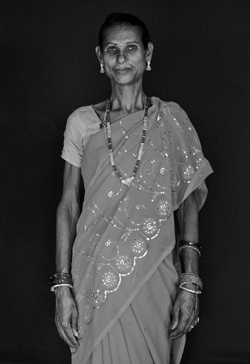
Photographer Jan Møller Hansen denies that he goes out deliberately seeking these images of the downtrodden and disenfranchised. He says photography is all about telling a story, and the stories of those living in the margins of society represent real drama. And Hansen, a diplomat-photographer tells those stories of the excluded and voiceless through stark black-and-white images.
“You can get closer to the person with black and white, the images are more powerful because there is no colour to distract you,” Hansen explains, “you can concentrate on the texture, features, tone and dynamic range of the image.”
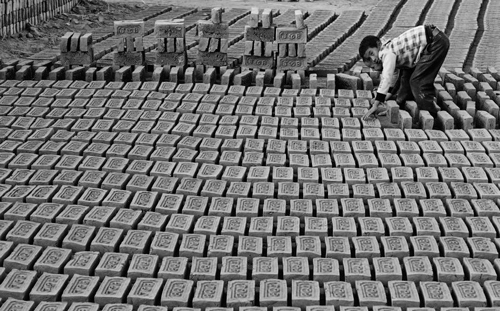
He is self-taught, and what started out as a hobby has now become a powerful way to document and show the reality of the dark underbelly of our societies. While posted in Bangladesh, Hansen ventured into the teeming slums by the railroad tracks, the shelters for victims of acid attacks, the metal-strewn beaches where supertankers are beached to be dismantled for scrap.
“The life of a diplomat can get a bit boring with expats and clubs, and photography was a bad excuse for me to meet people I would otherwise never get to meet, connecting with them and telling their stories,” Hansen says.
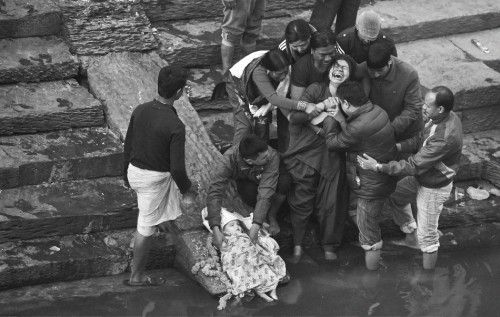
One of his most striking pictures is a long shot taken at Pashupati of a mother grieving at the funeral of her dead baby. The picture won 2013 Photo Award on Documentary (People’s Choice) and is the kind of photo that Hansen says “hits you in the gut”.
Through black and white pictures, Hansen puts the physical frailty of human beings in vulnerable situations in sharp contrast to the uncaring, unfeeling, unjust world around them. But even amidst all this squalour and suffering, you see the triumph of the human will, the spirit of survival.
Hansen just contributed to an exhibition of black-and-white portraits of urban refugees in Kathmandu from Burma, Bangladesh, Pakistan and Somalia. What comes across from those portraits are not despair and hopelessness, but stories of families focused on finding a future.
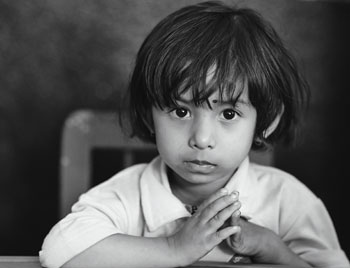
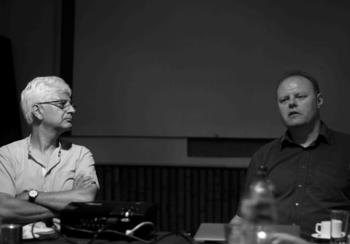
“People ask me why I am always negative,” Hansen says, “I am not. The people in my pictures may be poor but they have a lot of dignity. And they all have stories of survival.”
Kunda Dixit
See also: