
कठिन पाईलाहरू (Hard Steps) is a trilingual book that shows the figurative and literal hardships faced by Nepali migrant workers in Portugal.
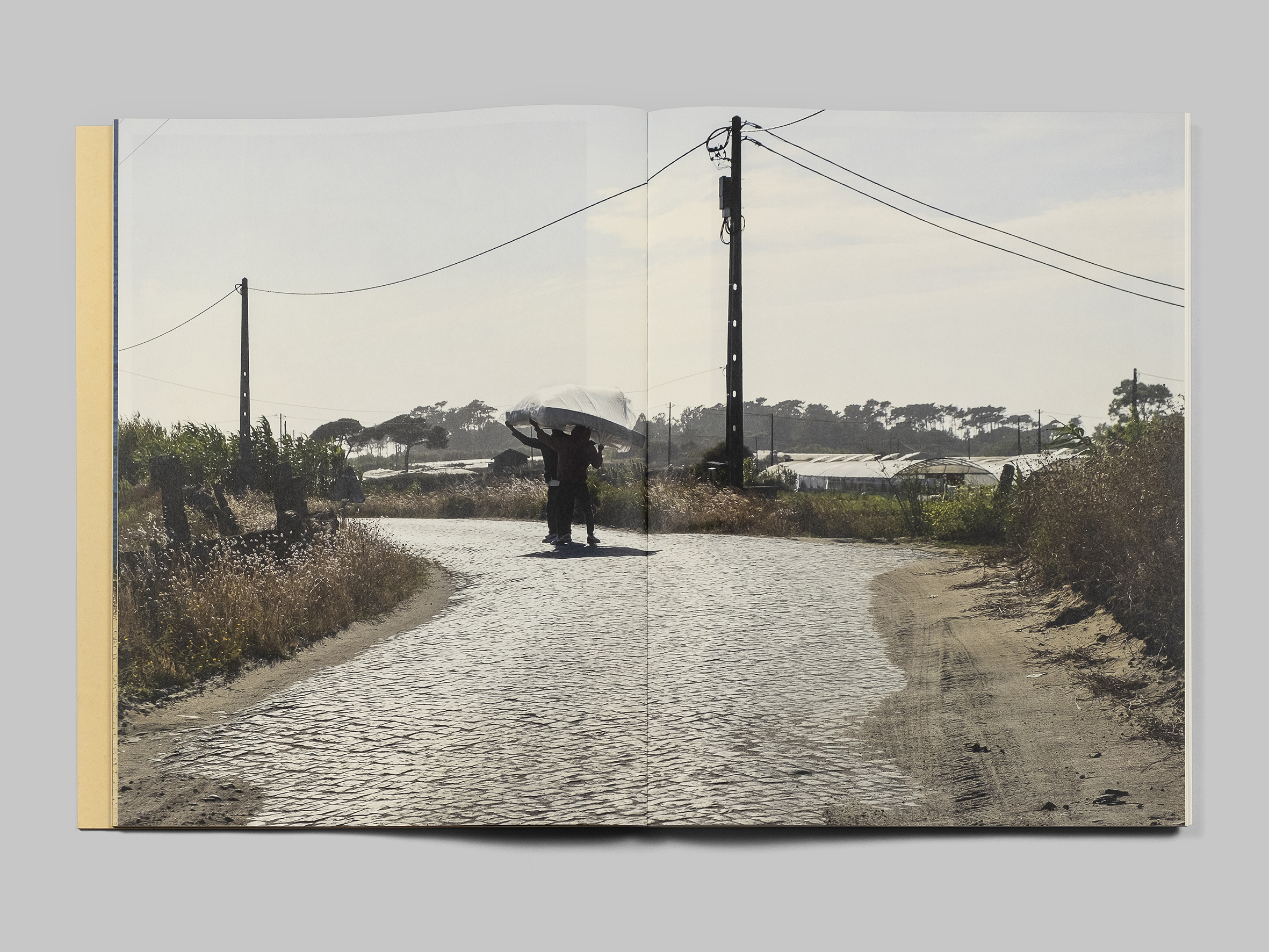
This picture book of Portuguese photographer Nelson Miranda's work features text in Portuguese, Nepali and English, illustrating everyday scenes from the land the workers left, and the country where they now toil.
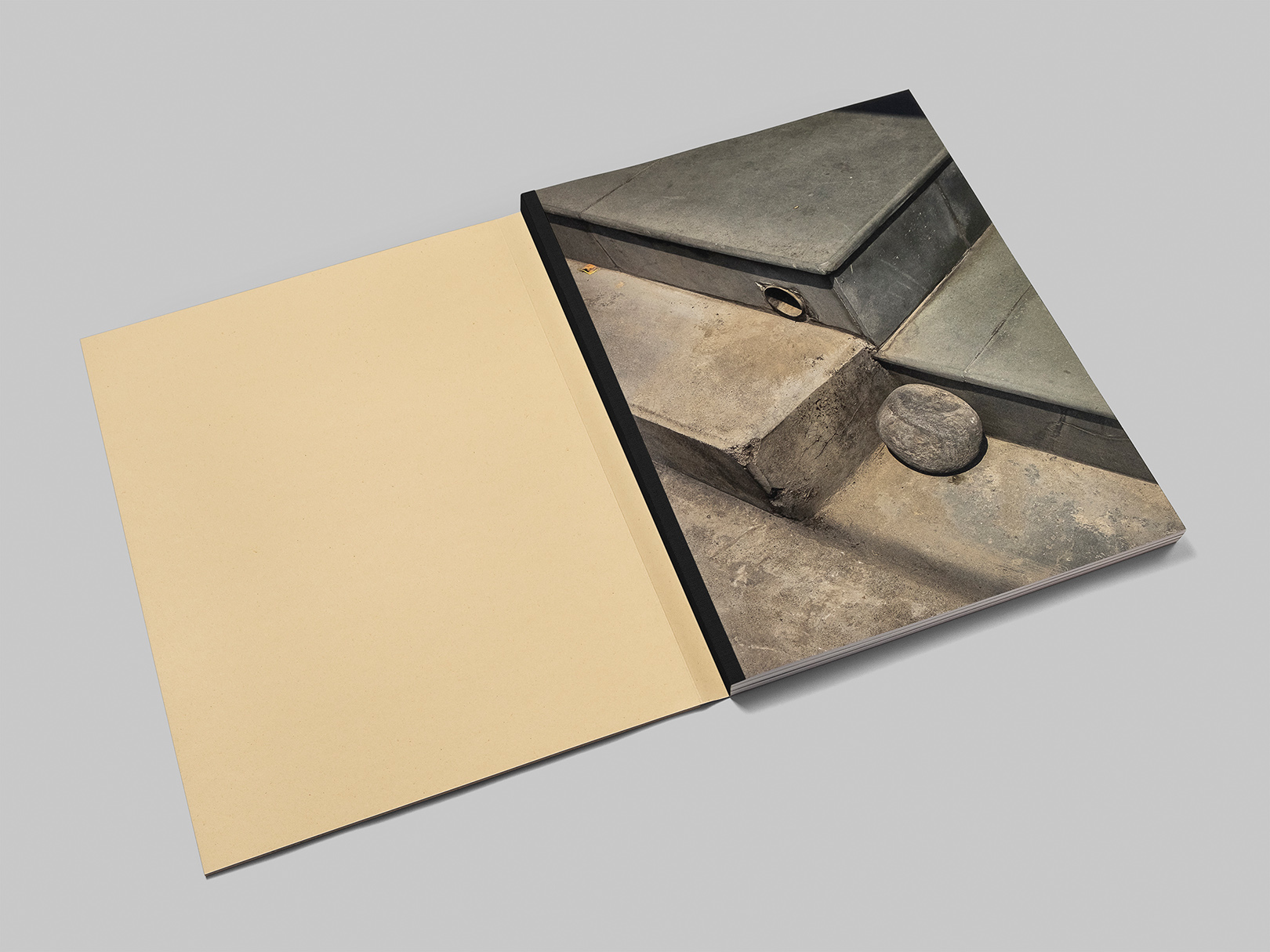
The hard steps are cemented street side portals of homes in Kathmandu that have narrow ramps for motorcycles — something we see here everyday but do not even notice. And then there are scenes of greenhouses and factories where Nepalis work hard to support families back home.
“After a few weeks in Nepal, I began to look differently at the steps leading to many of the houses,” says Miranda. “I was immediately drawn to their shapes, colours, and textures, which were incredibly varied and aesthetically very powerful.”
He was fascinated by the variety: some steep, some narrow, some serrated so motorcycle tyres did not slip, and saw them as a metaphor for the many difficulties Nepali men and women face during the migration process.
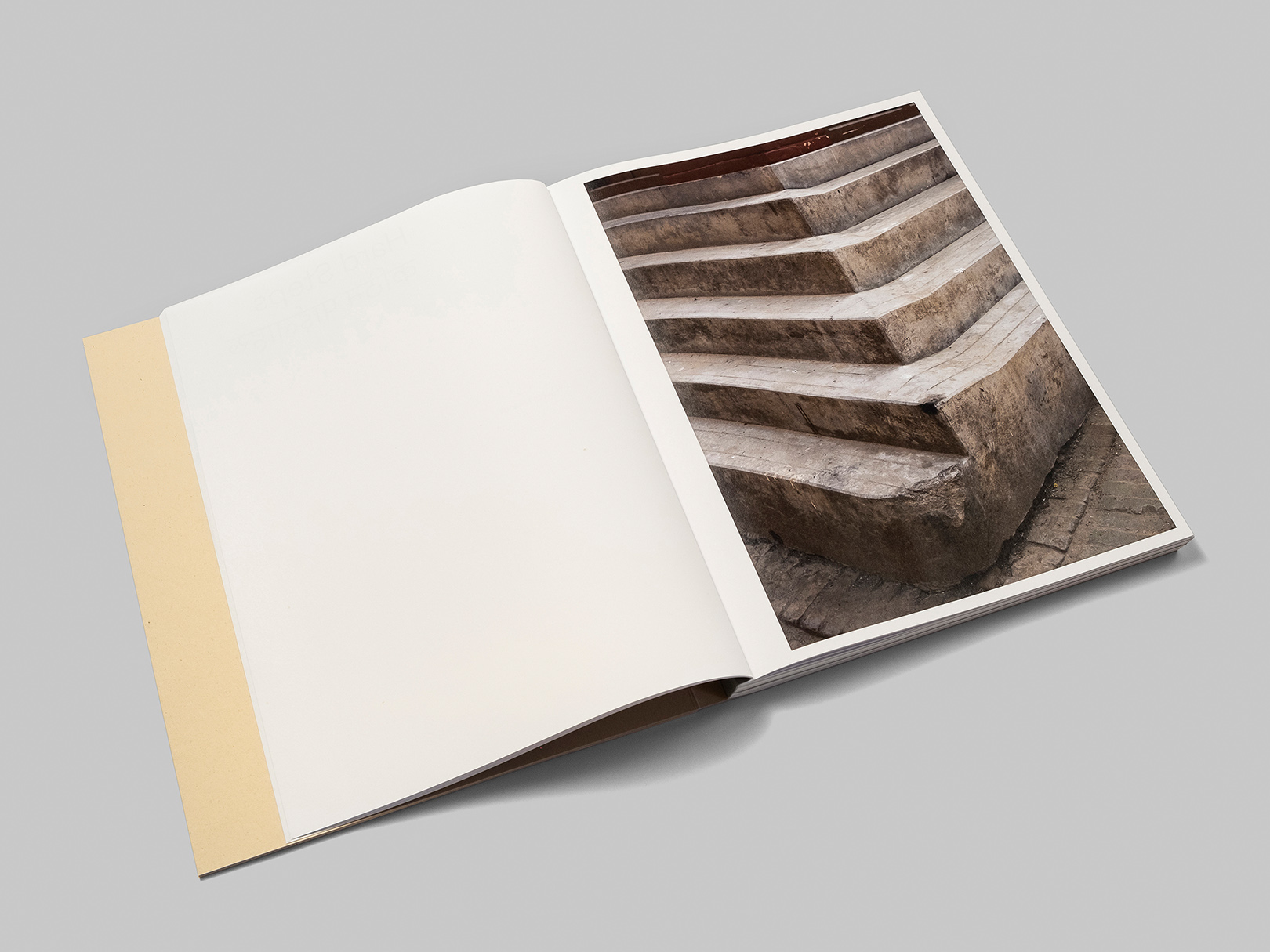
“I started to see these steps as the visual body of the work and as images accompanying the testimonies I collected in Nepal,” says Miranda about the 73 photographs taken in Kathmandu and Odemira in southern Portugal in 2020-23.
The unique design of the coffee table book by Atelier d’Alves does justice to the subject matter so the reader experiences the hardships with every turn of the page.
There are now over 23,000 Nepalis in Portugal, making it the 10th biggest migrant nationality in the country. Until a decade ago, footballer Cristiano Ronaldo was the only Portuguese connection for most Nepalis, writes journalist Bhrikuti Rai in her chapter.
Nepalis liked Portugal because of more relaxed immigration rules that provided pathways to permanent residence or citizenship, the mild weather, as well as jobs in the country’s service industry.
Many Nepalis live in Odemira, one of the most sparsely populated areas of the country due to the outmigration of young people to the cities. Portugal encouraged migrant workers of Nepali, Indian, and South Asian backgrounds to fill the labour shortage in the region’s berry farms.
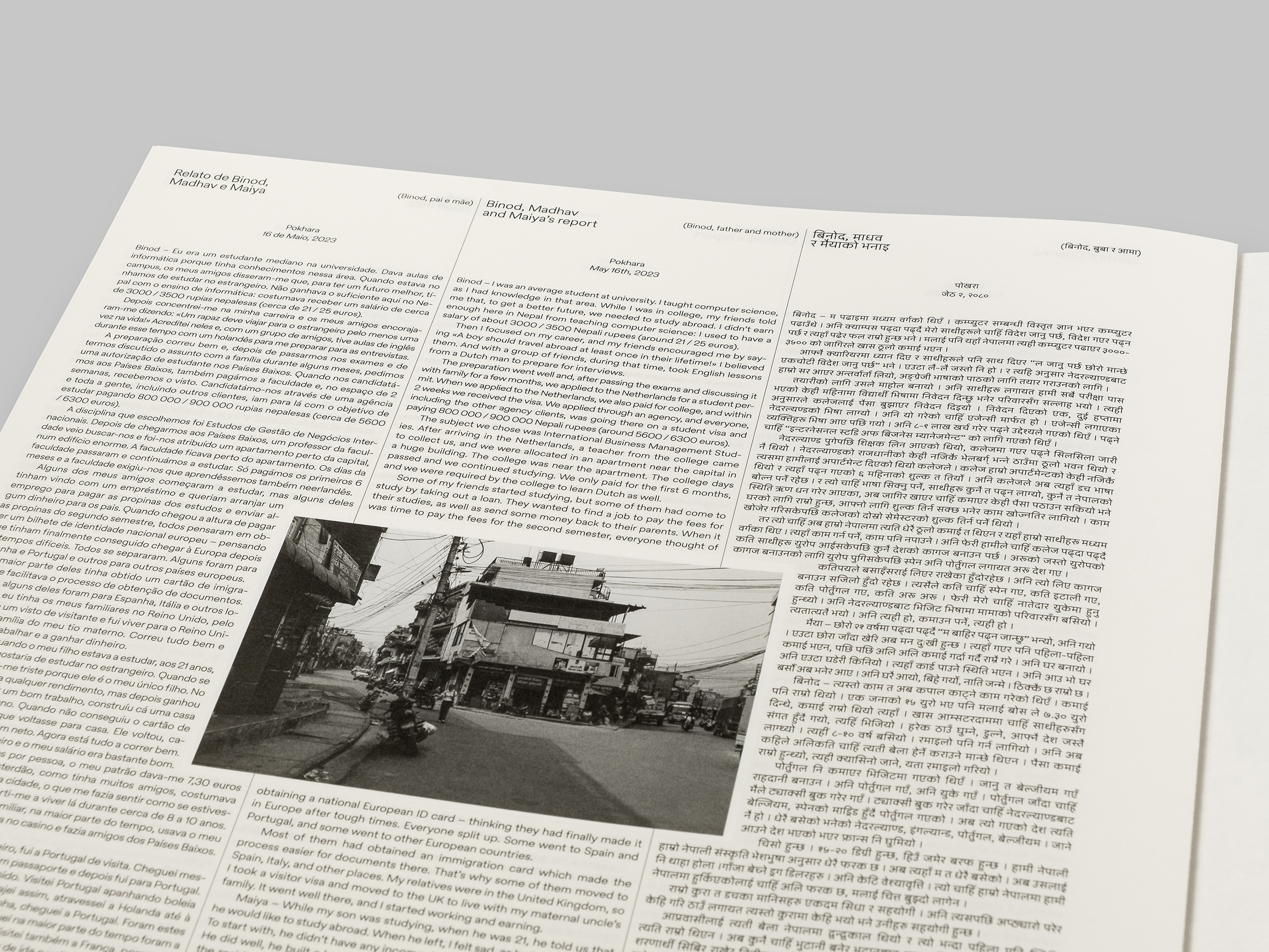
Several pages toward the middle of the book are dedicated to select headlines from the Nepali and Portuguese press on migration issues. There is also a 12-page insert titled ‘Dreaming of Arrival,’ containing testimonies from the workers’ families and one returnee. The pages are designed like a broadsheet newspaper with 11pt Arial typeface and black-and-white images.
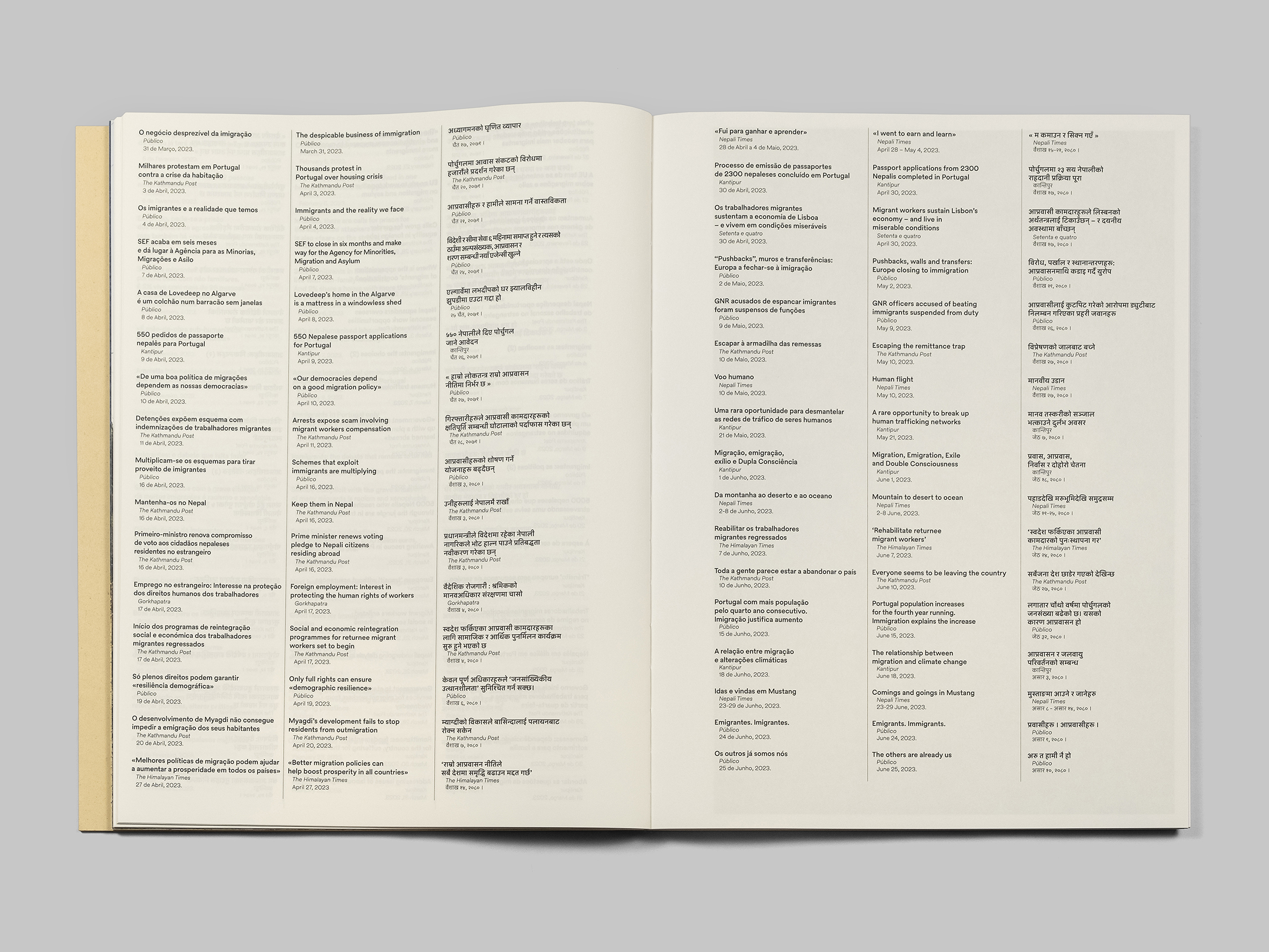
“When I started the project in 2020, we were all in Covid lockdown. Media reports became extremely important for the research and for understanding the recent phenomenon of Nepali migration to Portugal,” explains Miranda. “In fact, the articles published in Nepali Times were particularly important in this process, especially the Diaspora Diaries series.” (Above)
He adds, “Since journalistic articles were so important to the development of this work, it also seemed essential to include headlines from both Portuguese and Nepali newspapers, revealing the perspectives of the country of origin and the destination countries.”
The testimonies reveal that the cost of living in Portugal is high for the average Nepali worker, and earnings are lower than other European countries. Yet, Nepalis bear the hardship in the hope that they will obtain long-term residency in the country — which is now getting harder.
Immigration laws are being tightened and applicants need to secure a job before entering Portugal. Those arriving recently are no longer certain about getting a residence permit. Nepali migrant workers who paid more than €10,000 to reach Portugal find it difficult to repay loans back home in Nepal.
Most families discuss the chronic lack of jobs and governance failures in Nepal, but one returnee (Binod from Pokhara) says he did not like Portugal and that even young Portuguese are migrating to other parts of Europe.
When we read Lhamo’s story, we understand what ‘hard steps’ really mean. Her husband was working in Portugal but died shortly after being diagnosed with cancer. She is doing odd jobs in Lisbon and hopes to bring her young son over. But her husband had not done documentation properly, and the plan faces difficulties.
Portugal is not a permanent home for many of these Nepalis even after they secure Portuguese citizenship because with an EU passport, many move on to wealthier, better-paying Denmark or Belgium.
Anti-immigrant sentiment is affecting electoral politics in Europe, where many citizens do not realise the contribution that migrant workers make to the local economy, writes sociologist Pedro Góis in his chapter.
He notes: ‘Nepalis in Portugal are still strangers to us … Nepalis live in our neighbourhoods, work in our factories, hotels and fields but our social worlds rarely meet.’
He concludes that the answer lies in communication, and that the journey of discovery has to be two-way: ‘We lose nothing with the arrival of new citizens; we win in every aspect – economic, social, demographic, political and genetic. True inclusion is not just about allowing immigrants to live and work in our country but about creating conditions for them to thrive, share their experiences and contribute to building a better society.’
The project and the book intend to do just that. It is Miranda’s tribute to migrants and migration. He adds: ’In the historical moment in which it is published, it also seems to have become an act of resistance against the “new” anti-migration policies that unfortunately appear to be spreading across Portugal and other European countries.’
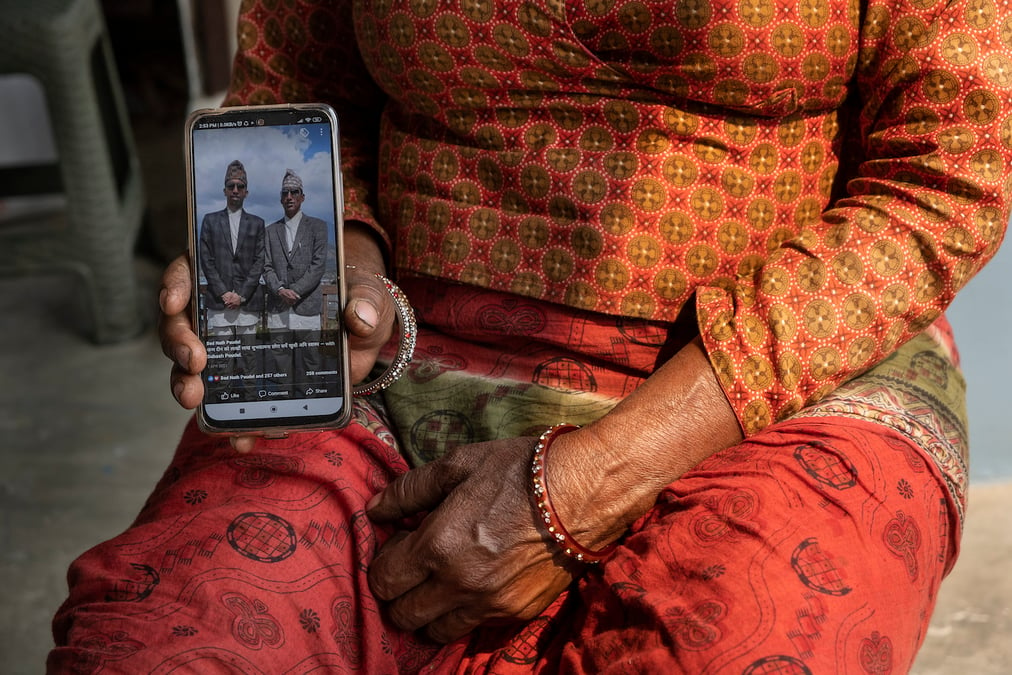
The double spread photographs of Nepali families back home holding photographs or phones with pictures of their relatives in Portugal are poignant. The images are interspersed with more evocative photos of marble temple steps, cemented home steps, and broken sidewalk steps. All hard steps.
‘Dreaming of Arrival’
The book closes with close photographs of a girl drying red mud which she is spreading out with her hands. They tie directly to the poem ‘Dreaming of Arrival’, penned by Nepali author Manjushree Thapa:
‘The soil here smells different from home.
Where is the red soil, that soft scent.
The continents go on drifting underfoot.
Still you move. Holding onto precious relics.
A photograph of the ones you love most.
…
But the present cannot contain the past.
The person you were is gone,
You are a stranger now.
Still – on faith , on a whim, on a dare, taking
a risk – you’ve left the home of the past
In search of the home of the future.
Dreaming.
…
That one day in the cool shade of a tree
You will be able to rest.
And say: All those years ago, I left.
And maybe now. I have arrived.
You move and keep moving,
dreaming of arrival.’
---
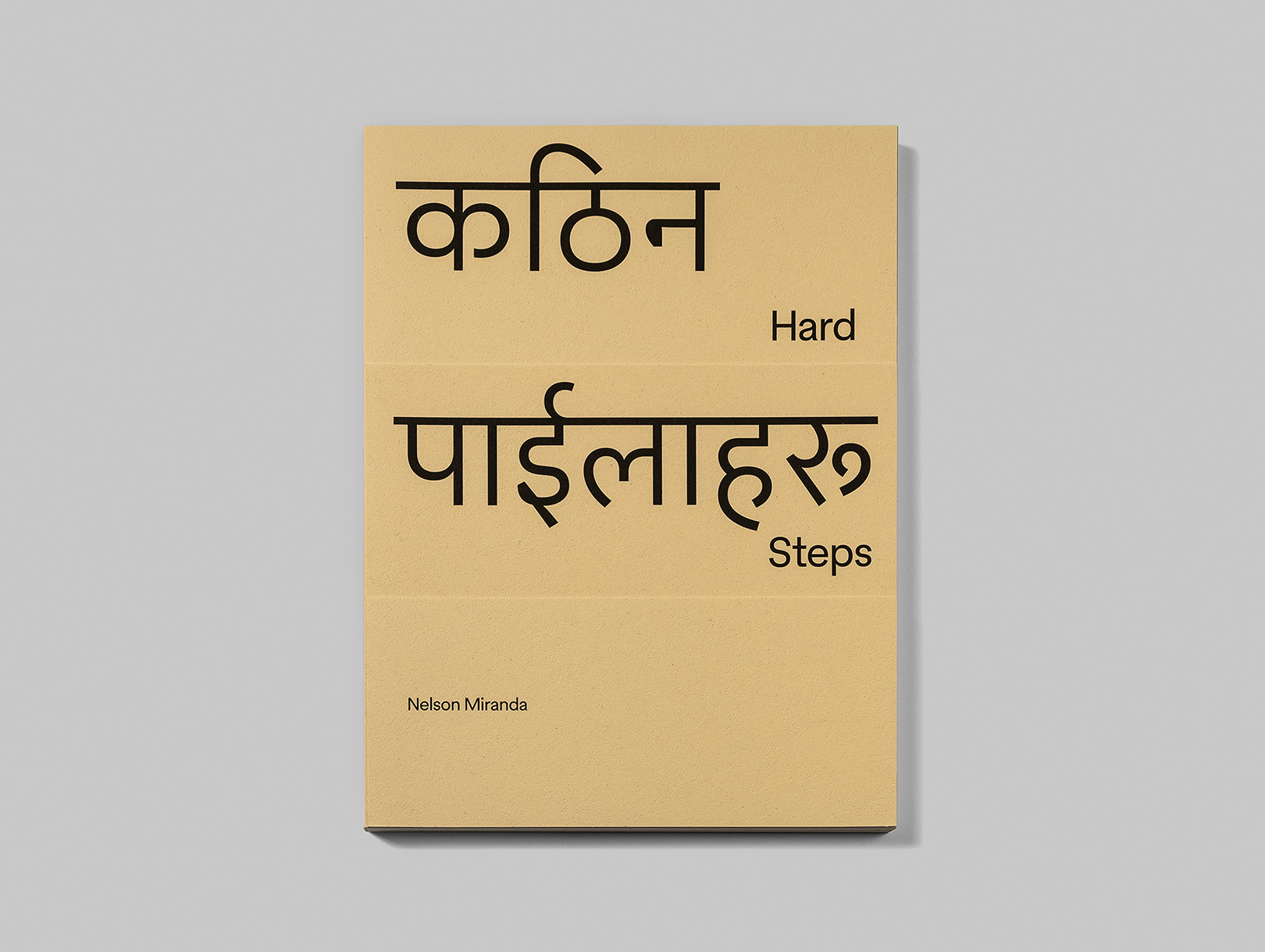
कठिन पाईलाहरू (Hard Steps)
Nelson Miranda
Pierrot le Fou, 2025
176 pages, 73 photographs (+12 pages, 8 photos in the newspaper insert)
24 x 32 cm
ISBN: 978-989-36059-2-9